How to Prune Spotless watermeal?
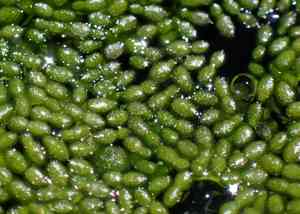
As a member of the most diminutive flowering plant family, spotless watermeal flourishes in watery habitats and requires very little trimming. Essential methods involve carefully scooping away dense groupings from the water's top layer to sustain the pond's well-being. The most effective time for trimming is from spring to autumn, when its development is most robust. Consistent elimination of surplus growth prevents the exhaustion of nutrients and obstruction of light, fostering a harmonious biological system. This undemanding strategy is crucial for safeguarding the fragile composition of spotless watermeal.
What Are the Benefits of Pruning Spotless Watermeal?
What Are the Benefits of Pruning Spotless Watermeal?
Trimming spotless watermeal is crucial for sustaining its vitality and attractive appearance. Regular cutting promotes strong development, ensuring spotless watermeal stays robust and well-maintained within its water habitat.
What Is the Best Time for Pruning Spotless Watermeal?
What Is the Best Time for Pruning Spotless Watermeal?
Cutting or trimming spotless watermeal is best done in Summer or early Fall. Since spotless watermeal is an aquatic plant with a rapid growth cycle, trimming in late Spring or early Summer can be beneficial; however, its peak growth typically occurs in Summer when water temperatures are higher and daylight hours are longer. This timing allows spotless watermeal to recover quickly and maintain health, as it is actively growing and can regrow lost mass. Fall pruning is also effective as it prepares spotless watermeal for slower Winter growth, reduces decaying plant material, and prevents excessive organic buildup that can degrade water quality. Avoid Winter pruning as spotless watermeal enters a slow growth phase and may be more vulnerable to damage. These guidelines ensure spotless watermeal is trimmed during active growth for fast recovery and sustained plant vigor.
What Tools Do I Need to Prune Spotless Watermeal?
Fine Mesh Net or Skimmer
Spotless watermeal is an extremely tiny aquatic plant. Due to its size and environment, a fine mesh net or skimmer is perfect for removing surplus plants from the water's surface. The mesh should be fine enough to collect the small individuals without harming the remaining plants.
Aquarium Siphon
An aquarium siphon can be employed to gently vacuum excess spotless watermeal from the water. This method is effective when thinning plants without complete removal, allowing precise control over the population's density.
Tweezers or Small Tongs
For very delicate and precise trimming, tweezers or small tongs can be utilized to manually remove specific spotless watermeal plants. This approach offers the highest level of accuracy, though it is more time-consuming.
How to Prune Spotless Watermeal
Identify and remove
Locate any parts of spotless watermeal that appear discolored, unhealthy, or decaying. Carefully remove these sections by skimming them off the water surface using a fine mesh net or a small scoop. Be careful not to disturb the rest of the plant colony.
Maintain population
Manage the population density of spotless watermeal by removing surplus plants with a scoop or net. This trimming action prevents overcrowding and ensures sufficient light and nutrients for the remaining individuals.
Dispose of waste
Properly discard any removed spotless watermeal parts by placing them in a compost bin or using them as green mulch, ensuring they do not remain in or near natural water bodies to prevent uncontrolled spread.
Clean tools
Sanitize the tools used for trimming spotless watermeal to prevent the spread of any potential diseases. Rinse nets, scoops, or any tools with fresh water and allow them to dry completely before storage.
Monitor health
After trimming, continue to regularly observe the condition of spotless watermeal. Look for signs of regrowth or any remaining unhealthy parts that may require additional pruning to maintain the plant's health and vigor.
Common Pruning Mistakes with Spotless Watermeal
Overpruning
Trimming too much of spotless watermeal can stress the plant and hinder growth, as it is a very small aquatic plant that needs minimal intervention.
Using dirty tools
Employing unsanitized pruning tools can introduce pathogens to spotless watermeal, leading to disease and decline.
Unnecessary pruning
Attempting to prune spotless watermeal as one would terrestrial plants is a mistake since it naturally maintains a tiny size and lacks branches or leaves that require shaping.
Pruning healthy tissue
Removing healthy tissue can be detrimental to the already minute size of spotless watermeal, which may not recover as easily from the removal of viable plant matter.
Common Pruning Tips for Spotless Watermeal
Minimal interference
Allow spotless watermeal to grow with minimal trimming intervention, as it thrives best without frequent cutting back.
Surface skimming
If necessary, use a fine net or skimmer to gently remove any excessive growth of spotless watermeal, maintaining balanced coverage in its aquatic environment.
Sanitize tools
Ensure any tools used for managing spotless watermeal growth are disinfected to prevent the spread of disease.
Environmental management
Spotless watermeal's growth is best managed by controlling nutrient levels in the water rather than physical trimming, as this will naturally limit excessive proliferation.



