How to Overwinter Spotless watermeal
1
Spotless watermeal thrives both inside and outside, offering flexibility for different environments.
2
Provide sufficient light, preferably 10-12 hours daily, in winter to maintain Spotless watermeal's well-being.
3
Spotless watermeal tolerates frost but flourishes most effectively in regulated conditions during dormancy.
What is Spotless watermeal?
What is Spotless watermeal?
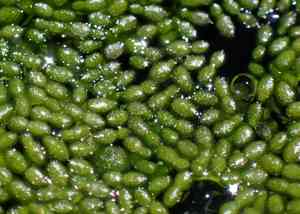
The distinctive Spotless watermeal belongs to the Lemnaceae family, recognized as the planet's smallest flowering plants. Originating from temperate and tropical zones globally, this tiny aquatic organism lacks roots and drifts freely on water surfaces. Its size makes it perfect for garden ponds, aquariums, or any water-based garden features. Despite its minute stature, it plays a significant role in nutrient removal and filtration, contributing to the ecological balance within its environment.
Steps to Overwinter Spotless watermeal
Step 1: Preparing the Habitat
Begin by ensuring the pond or aquarium is clean. Remove any dead plant matter or debris that could decompose and diminish water quality. It's crucial to provide a pristine environment for Spotless watermeal as decaying material can harm the plant.
Step 2: Adjusting Water Conditions
Maintaining water quality is vital. Slightly lower the water level if outdoors to prevent freezing. Employ water heaters if necessary to ensure the temperature remains within a safe range. For indoor setups, keep the water temperature between 15-25°C (59-77°F).
Step 3: Monitoring Temperature
Spotless watermeal thrives best in temperatures ranging from 15-25°C (59-77°F). Use floating thermometers in ponds or aquariums to continuously monitor temperature. Sudden drops can stress the plant, so gradual changes are preferred.
Step 4: Ensuring Adequate Light
Light is essential for photosynthesis and the overall health of Spotless watermeal. In indoor environments, position the container where it can receive sufficient illumination for approximately 10-12 hours daily. Utilizing LED grow lights can help supplement natural light during darker winter days.
Common Mistakes in Overwintering Spotless watermeal
Mistake 1: Incorrect Water Levels
Maintaining appropriate water levels is crucial. Too much or too little water can have adverse effects. Slightly lower the water in outdoor settings to prevent freezing, but ensure it's high enough for the plant to float freely. Indoors, maintain a consistent water level.
Mistake 2: Ignoring Temperature Fluctuations
Spotless watermeal is sensitive to sudden temperature shifts. Abrupt drops or rises can stress the plant, making it more vulnerable to disease and damage. Use a reliable thermometer and avoid placing the habitat near heating vents or drafty windows.
FAQs on Overwintering Spotless watermeal
Can Spotless watermeal Survive in Freezing Temperatures?
Spotless watermeal can withstand frost, but prolonged freezing temperatures can be detrimental. It's best to provide a controlled environment during harsh winters by bringing the plant indoors or using pond heaters.
What to Do If Spotless watermeal Shows Signs of Damage?
If Spotless watermeal appears damaged, immediately assess the water temperature, quality, and light conditions. Remove any decayed parts to prevent the spread of disease. Providing a stable environment with proper care can help the plant recover.



