How to Prune Watsonia angusta?
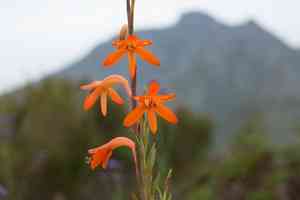
Characterized by lofty stalks of vivid blossoms, watsonia angusta thrives with trimming in early spring or late winter. Snip off faded flower stalks to stimulate fresh development and preserve its form. Eliminating lifeless or injured leaves boosts plant vitality and deters ailments. The ideal period for pruning coincides with its developmental phase, guaranteeing abundant flowering in the subsequent season. Appropriate pruning of watsonia angusta not only elevates its aesthetic charm but also fosters more robust, thicker growth.
What Are the Benefits of Pruning Watsonia Angusta?
What Are the Benefits of Pruning Watsonia Angusta?
Trimming watsonia angusta encourages robust development and helps maintain its form, ensuring a neat and attractive look. It also boosts blooming and keeps the plant vigorous by eliminating dead or diseased sections. Regular trimming fosters strong growth and pest resistance.
What Is the Best Time for Pruning Watsonia Angusta?
What Is the Best Time for Pruning Watsonia Angusta?
Early spring and late winter are optimal for trimming watsonia angusta because this period aligns with the plant's inactive phase, minimizing stress. Pruning before new growth starts ensures cuts heal quickly and the plant can direct energy to developing healthy new shoots. Additionally, this timing avoids interfering with the plant's flowering cycle, which occurs later in the growing season, thereby promoting better overall plant health and more abundant blooms.
What Tools Do I Need to Prune Watsonia Angusta?
Hand Pruners
Perfect for making precise cuts on stems and smaller branches of watsonia angusta. Always use sharp, clean shears to avoid harming the plant.
Bypass Pruners
Ideal for cutting live stems and ensuring clean cuts without crushing plant tissue. This helps reduce disease risk.
Pruning Knife
Useful for detailed trimming and removing dead or damaged leaves near the base of watsonia angusta.
Sanitizing Solution
Crucial for cleaning your tools between cuts to prevent disease spread. A 10% bleach solution or rubbing alcohol works well.
How to Prune Watsonia Angusta
Inspection
Before beginning to trim watsonia angusta, carefully check the plant for any diseased or withered leaves. Note their positions to effectively target these areas.
Cleaning
Ensure your pruning tools are clean and sharp. This helps prevent disease transmission and ensures clean cuts on watsonia angusta.
Removal of diseased leaves
Begin by removing any diseased leaves. Cut them off at the base where the leaf meets the stem, and discard them far from the plant to prevent pathogen spread.
Removal of withered leaves
Next, remove withered leaves by cutting them close to the base. This helps maintain the plant's appearance and directs energy to healthier parts.
Disposal and Cleaning
After pruning, dispose of all removed plant material responsibly. Clean your tools thoroughly to prevent any disease transmission to other plants.
Common Pruning Mistakes with Watsonia Angusta
Overpruning
Removing too much foliage can stress watsonia angusta and reduce its ability to photosynthesize, which is vital for healthy growth.
Incorrect cuts
Improper cutting techniques that leave jagged edges or tear plant tissue can make watsonia angusta more vulnerable to diseases.
Pruning at the wrong stage of growth
Trimming too early or too late in the plant's growth cycle can affect its flowering potential and overall health.
Not sanitizing tools
Using dirty or unsterilized pruning tools can introduce pathogens and cause infections in watsonia angusta.
Neglecting deadheading
Failing to remove spent flowers can hinder new blooms and result in an untidy appearance.
Common Pruning Tips for Watsonia Angusta
Use sharp tools
Ensure your pruning tools are sharp to make clean cuts. This minimizes damage to watsonia angusta and promotes quicker healing.
Sanitize tools
Regularly clean and sterilize your pruning tools before use to prevent the spread of diseases.
Cut at an angle
Make cuts at a 45-degree angle to prevent water from collecting on the cut surface, which can reduce the risk of rot.
Remove dead and damaged parts
Regularly prune away any dead, diseased, or damaged foliage to keep watsonia angusta healthy and encourage new growth.
Proper spacing
Ensure that watsonia angusta is pruned to maintain good airflow between stems, reducing the likelihood of fungal infections and supporting healthy growth.



