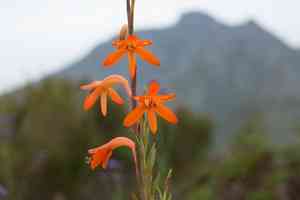
Watsonia angusta(Watsonia angusta)

Watsonia angusta (Watsonia angusta)

Also known as: N/A

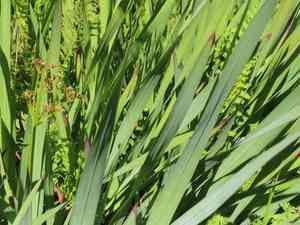
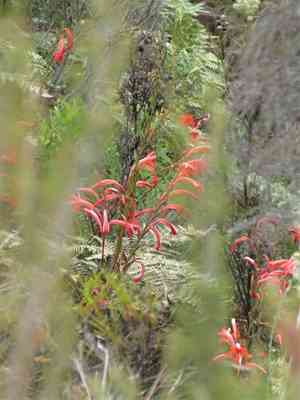
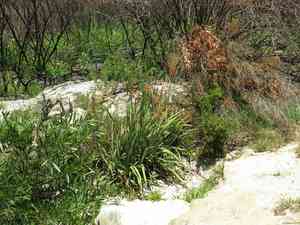
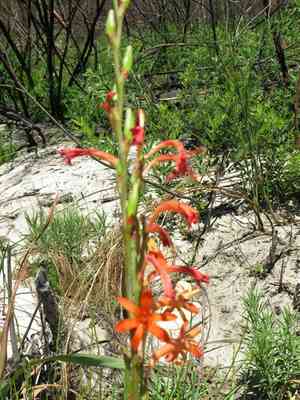
Watsonia angusta, also known as the bulbil bugle-lily, is a robust perennial plant native to South Africa. It features dense clumps of slender, sword-shaped leaves and produces tall spikes adorned with tubular flowers in shades of pink to red. These vibrant blooms appear from late spring to summer, creating a striking vertical display in the garden.

Growth Conditions:
- **Light**: Prefers full sun but can tolerate partial shade.
- **Soil**: Needs well-drained, sandy or loamy soil.
- **Water**: Requires moderate watering; avoid waterlogged conditions.
- **Climate**: Adapts well to mild, Mediterranean climates and can endure light frost.
- **Propagation**: Propagated through corms or bulbils.

An excellent choice for garden borders and containers, Watsonia angusta is known for its drought resistance and its ability to thrive in less-than-ideal soil conditions, making it a resilient addition to any landscape.

Attributes of Watsonia angusta

Lifespan
Perennial
Plant Type
Herb
Plant Height
1 to 1.5 meters
Spread
N/A
Leaf Color
Green
Flower Size
2 to 3 cm
Flower Color
Orange

ForwardPlant - Identify plants with a snap

Identify and diagnose plants, get toxicity alerts, and explore safety guides for all types of fungi.

Try for Free

Images of Watsonia angusta

Watsonia angusta(Watsonia angusta)

Quickly Identify Watsonia angusta

1
Watsonia angusta can be identified by its tall, erect stems, sword-shaped leaves, and tubular flowers. The flowers are typically arranged in a spike-like inflorescence. The plant\'s leaves are often linear and grow from a corm base.

Scientific Classification of Watsonia angusta

Phylum
Vascular plants
Class
Monocotyledons
Order
Asparagales
Family
Iris
Genus
Bugle-lily
Species
Watsonia angusta

Planting and Growing of Watsonia angusta

Care Difficulty
Moderate
Watering Schedule
Every 2 days
Sunlight Requirements
Full sun
Sunshine Duration
4-8 hours
Ideal Temperature
65-75℉
Soil Type
Potting Mix, Peat Mix
Soil pH
6.5-7.5
Fertilizer Type
Balanced
Pruning Season
Spring, Summer
Pruning Area
Branches, Leaves
Pruning Frequency
2 times a year
Repotting Season
Spring
Pot Type
Plastic, Ceramic

water icon How to Water Watsonia angusta?

For Watsonia angusta, a deep watering of approximately 500 ml is recommended. Ensure the soil is evenly moistened but not waterlogged. This amount provides sufficient moisture to the roots, allowing the plant to thrive, while preventing overwatering issues.
What are the symptoms of an underwatered Watsonia angusta? ›
What should I do if my Watsonia angusta is not getting enough water? ›
What are the symptoms of an overwatered Watsonia angusta? ›
How to save an overwatered Watsonia angusta? ›

sunlight icon What Are the Sunlight Requirements for Watsonia angusta?

Sunlight Requirements: Full sun, Partial sun
Duration of light: 6 to 8 hours
Partial to full sunlight is ideal, ensuring 6-8 hours is crucial for Watsonia angusta, enhancing its growth, flowering, and overall vitality.
What is the best light condition for Watsonia angusta? ›
How to achieve the ideal lighting for Watsonia angusta? ›
What are the benefits of ideal lighting for Watsonia angusta? ›

temperature icon What Is the Ideal Temperature Range for Watsonia angusta?

Ideal Temperature: 65 ~ 75℉
For Watsonia angusta, the ideal temperature range for optimal growth is between 65°F and 75°F. This range ensures that the plant can undergo photosynthesis effectively while maintaining proper respiration rates. It is crucial to keep the environment within this range to avoid stress and promote vigorous growth.

soil icon What Soil is Best for Watsonia angusta?

Soil type: Sandy soil, Loam
Soil PH: 6.5 ~ 7.5
Watsonia angusta thrives in well-drained soils, which prevent water from accumulating around the roots, reducing the risk of root rot and allowing for healthy growth. The plant benefits from nutrient-rich soil, which provides essential minerals that promote robust flowering and vibrant foliage throughout its growth cycle. While it prefers drainage, a soil that retains moderate moisture ensures the plant has a steady water supply without becoming waterlogged.

fertilize icon How to Fertilize Watsonia angusta?

Fertilizer type: Balanced
For Watsonia angusta, applying about half the recommended dose of liquid fertilizer is a good starting point. Over-fertilizing can lead to salt build-up which is harmful. A gentle approach is better for this plant.

prune icon How to Prune Watsonia angusta?

Pruning Time: Autumn, Winter
Begin by identifying any old, dead, or damaged stems. These should be removed first as they can compromise the plant’s health if left untreated. Cutting back these parts will redirect energy to more vital growth. Trim back newer shoots that have overgrown during the summer. This helps maintain the desired shape and stimulates a fuller appearance when they regrow. New shoots can be cut by half to encourage branching and filling out the plant's form. After removing dead and overgrown parts, focus on shaping the plant. Trim around the edges, maintaining a balanced shape. This not only improves the plant's appearance but also distributes light evenly, fostering uniform growth. More About Pruning Techniques→

propagate icon How to Propagate Watsonia angusta plant?

Propagate Time: Spring, Early spring
1
Before planting the seeds or dividing the corms, prepare a well-draining soil mix. Mix equal parts of sand, peat, and perlite to ensure good drainage and aeration. This will provide an optimal growth environment for Watsonia angusta.
2
Sow seeds in seed trays, lightly covering them with soil and maintaining soil moisture. Keep the trays in a warm area with indirect sunlight. Germination typically takes a few weeks, so patience is necessary.
3
Divide corms by carefully lifting the plant out of the soil and separating the corms with a clean, sharp knife. Replant the corms at the same depth they were growing and water them thoroughly to settle the soil.
More About Propagating Techniques→

repot icon How to Repot Watsonia angusta plant?

Repotting frequency: Every 2-3 years
1
Watsonia angusta signals the need for repotting when its bulbs start to crowd the container, often visible as roots emerging from drainage holes, or when the growth visibly slows. A telltale sign is when you notice the water sitting on top of the soil instead of penetrating quickly during watering. Ideally, repot during its dormant season to minimize stress.
2
Select a pot that is about 2 inches larger in diameter than the current one. A pot that accommodates growth without overwhelming the plant helps manage watering without waterlogging. Ensure it has adequate drainage holes to prevent root rot, which is crucial for bulbous plants like Watsonia angusta.
3
For Watsonia angusta, choose a well-draining soil mix tailored for bulbous plants. This prevents water retention, reducing the risk of bulb rot. Incorporating gritty sand or perlite enhances aeration and drainage, promoting healthy root development and ensuring the plant's vigor post-repotting.

ForwardPlant - Identify plants with a snap

Find the best spots for them to optimize their health, simply using your phone.

Try for Free