How to Prune Shelton's violet?
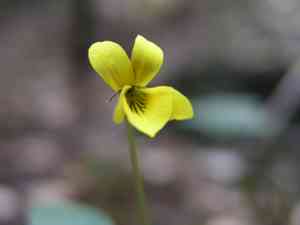
Shelton's violet, known for its vivid purple blossoms, flourishes with limited trimming. The best periods for pruning are late winter and early spring, aligning with its developmental phase. Concentrate on eliminating deceased or injured stalks to foster robust development and enhance air circulation. Refrain from extensive pruning to retain the plant's inherent form. Consistent trimming assists in preserving the plant's vitality and visual appeal, encouraging abundant flowering during the active growth period. Refer to local gardening resources for guidance specific to your area.
What Are the Benefits of Pruning Shelton's Violet?
What Are the Benefits of Pruning Shelton's Violet?
Shelton's violet thrives with trimming, promoting stronger growth and maintaining its desired form, ensuring its health and visual appeal. Regular trimming also helps prevent pest issues and illnesses, and encourages better blooms. This keeps shelton's violet flourishing in any garden environment.
What Is the Best Time for Pruning Shelton's Violet?
What Is the Best Time for Pruning Shelton's Violet?
Trimming or cutting shelton's violet during these periods is optimal due to its growth pattern. In late winter, the plant is dormant, which reduces stress and potential harm. Pruning in early spring encourages healthier development as new shoots appear, leading to a more robust and attractive plant. This timing also prepares shelton's violet for its blooming phase, ensuring peak health and flower production.
What Tools Do I Need to Prune Shelton's Violet?
Bypass Pruners
Perfect for making clean cuts on living stems and soft plant material. These pruners are precise and cause minimal harm, crucial for maintaining shelton's violet's well-being.
Precision Snips
Suitable for detailed tasks and delicate trimming. These are ideal for cutting small, fragile parts of shelton's violet without harming the plant.
Pruning Scissors
Useful for removing dead or diseased foliage. They are easy to handle and provide a clean cut, helping to prevent tearing tender plant tissues.
Gloves
Essential for protecting your hands during pruning. They offer defense against potential irritants or allergens found on shelton's violet.
How to Prune Shelton's Violet
Assess
Examine shelton's violet thoroughly to identify any diseased or dried leaves that need removal.
Disinfect
Clean your pruning implements with rubbing alcohol or a bleach solution to stop the spread of pathogens.
Remove diseased leaves
Carefully snip off any diseased leaves at their base where they connect to the stem, using sharp, sanitized scissors or pruners.
Remove withered leaves
Gently trim withered leaves, ensuring to cut close to the base without harming adjacent healthy foliage.
Dispose
Discard all removed plant matter in a sealed bag to prevent disease transmission. Clean your tools again after pruning.
Common Pruning Mistakes with Shelton's Violet
Over-pruning
Removing too much of the plant at once, which can stress shelton's violet and impede its development.
Incorrect cuts
Making jagged or improper cuts that can lead to disease and poor regrowth.
Timing errors
Pruning at unsuitable times, not aligning with the growth cycle of shelton's violet.
Ignoring dead material
Failing to remove dead or diseased sections, which can spread infection and reduce vitality.
Using dirty tools
Employing unclean tools that can introduce pathogens to the plant.
Common Pruning Tips for Shelton's Violet
Use sharp tools
Always use sharp, clean pruning shears to make precise cuts and minimize damage.
Remove dead material first
Begin by removing any dead, diseased, or damaged parts to maintain overall plant health.
Prune lightly
Limit pruning to avoid stressing shelton's violet; aim to remove no more than 20% of the plant at one time.
Angled cuts
Make cuts at a slight angle to promote proper healing and water runoff.
Monitor growth
Observe how shelton's violet responds to pruning and adjust your technique as needed for optimal growth.



