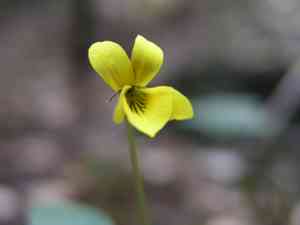
Shelton's violet (Viola sheltonii)
Also known as: Shelton's violet
Shelton's violet (Viola sheltonii) is a perennial herb noted for its bright yellow flowers adorned with dark purple streaks, blooming from spring to early summer. This plant features heart-shaped leaves and remains relatively small, usually not exceeding 15 cm in height. It flourishes in moist, well-drained soils typically found on shaded forest floors or woodland areas. Adapted to cooler, understory environments, Shelton's violet adds a splash of color with its vibrant flowers, contrasting beautifully with the surrounding greenery and soil.
In This Article
Attributes of Shelton's violet
Lifespan
Perennial
Plant Type
Herb
Plant Height
2.5 cm to 20 cm
Spread
Approximately 20 cm
Leaf Color
Green
Flower Size
1 to 2 cm
Flower Color
Yellow with dark purple streaks
Images of Shelton's violet
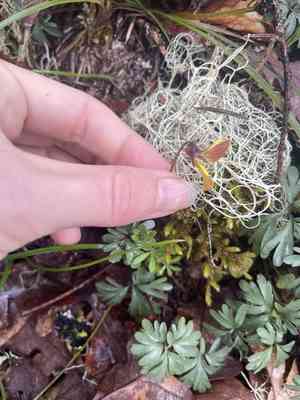
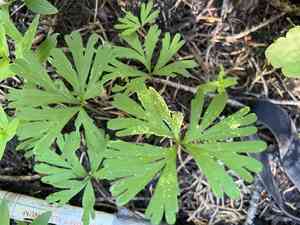
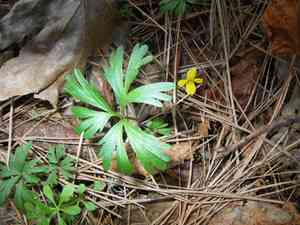
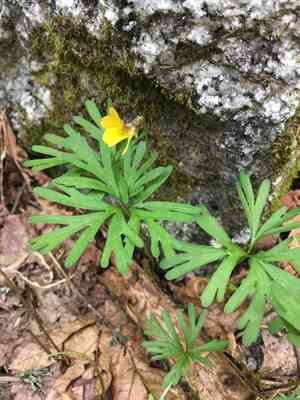
Quickly Identify Shelton's violet
1
Shelton\'s violet can be identified by its yellow flowers with dark purple streaks on the lower petals. The leaves are heart-shaped with serrated edges.
Scientific Classification of Shelton's violet
Phylum
Vascular plants
Class
Dicotyledons
Order
Malpighiales
Family
Violet
Genus
Violets
Species
Shelton's violet
Planting and Growing of Shelton's violet
Care Difficulty
Moderate
Watering Schedule
Every 2 days
Sunlight Requirements
Partial sun
Sunshine Duration
4-8 hours
Ideal Temperature
60-75℉
Soil Type
Potting Mix, Peat Mix
Soil pH
6.5-7.5
Fertilizer Type
Balanced
Pruning Season
Spring, Summer
Pruning Area
Branches, Leaves
Pruning Frequency
2 times a year
Repotting Season
Spring
Pot Type
Plastic, Ceramic
 How to Water Shelton's violet?
When watering Viola sheltonii, aim for about 250 ml per session, ensuring the soil is evenly moist but never saturated. It's important to allow the top layer of soil to dry out between waterings, preventing root rot and other moisture-related issues. This balance helps maintain the plant's health.
What are the symptoms of an underwatered Shelton's violet?
›
What should I do if my Shelton's violet is not getting enough water?
›
What are the symptoms of an overwatered Shelton's violet?
›
How to save an overwatered Shelton's violet?
›
 What Are the Sunlight Requirements for Shelton's violet?
Partial sunlight provides an optimal balance for Viola sheltonii, encouraging strong, healthy growth and vibrant blooms. With ideal lighting, these plants can maximize photosynthesis, maintain lush foliage, and produce more flowers.
What is the best light condition for Viola sheltonii?
›
How can I ensure my Viola sheltonii gets the ideal light?
›
What are the benefits of providing ideal light for Viola sheltonii?
›
 What Is the Ideal Temperature Range for Shelton's violet?
The ideal temperature range for growing Viola sheltonii is between 60°F and 75°F. This ensures optimal growth and blooming, as these temperatures provide a warm but not overly hot environment that is similar to their natural habitat.
 What Soil is Best for Shelton's violet?
Viola sheltonii thrives in soils that offer excellent drainage. Ensuring the soil allows excess water to escape prevents root rot and promotes healthy root systems. This aspect is crucial for the plant's robust growth. The plant prefers soils rich in organic matter, such as loamy soil. Such richness provides essential nutrients that support vibrant foliage and flowering, making Viola sheltonii flourish in its habitat. A soil pH between 6.5 and 7.5 is optimal, offering a neutral to slightly acidic environment. This balance ensures optimal nutrient uptake and prevents deficiencies that could impact growth adversely.
 How to Fertilize Shelton's violet?
For Viola sheltonii, use a balanced, water-soluble fertilizer diluted to half strength. This ensures the plant receives nutrients without overwhelming it. Typically, a quarter teaspoon per gallon of water is sufficient.
 How to Prune Shelton's violet?
Begin by inspecting the plant for any dead or damaged leaves and stems. Use clean, sharp shears to trim these parts away, ensuring cuts are made just above a healthy node. This promotes new growth and keeps the plant tidy. After removing damaged parts, focus on shaping the plant. Trim back overgrown sections to maintain a compact form. This step prevents the plant from becoming leggy and helps maintain a pleasing aesthetic. To encourage more blooms, deadhead spent flowers regularly. This involves cutting the flower stalks back to the base once the flowers have faded. It redirects the plant's energy from seed production to creating new flowers.
More About Pruning Techniques→
 How to Propagate Shelton's violet plant?
1
Begin with moist seed starting mix in a tray. Sow seeds on the surface and lightly press them into the soil without covering them deeply as they require light for germination. Maintain consistent moisture to support the germination process.
2
Identify mature plants with multiple crowns. Using a sharp knife, carefully separate the crowns, ensuring that each division has roots and shoots. Replant divisions promptly in prepared soil to minimize transplant shock.
3
Select a location with partial shade and well-draining soil. Amend the soil with organic matter to improve fertility and drainage. Water thoroughly before planting divisions to establish a welcoming environment.
 How to Repot Shelton's violet plant?
1
Viola sheltonii needs repotting when its roots start to outgrow the current pot, typically visible during the growing season. Also, if the soil is compacted or drains poorly, it's time for a change.
2
Choose a pot that is one size larger than the current one, ensuring it has sufficient drainage holes. This provides enough space for root expansion and prevents waterlogging, promoting healthy growth.
3
Opt for a well-draining potting mix, enriched with organic matter. This promotes adequate aeration and nutrient availability, fostering vigorous growth while preventing root rot.
Learn More About Shelton's violet Diseases
Anthracnose
Bacterial Leaf Spot
Bacterial Soft Rot
Bacterial Wilt
Black Spot
Chemical Injury
Crown Gall
Cyst Nematode
Damping-off
Downy Mildew
Drought Stress
Fusarium Wilt
Gray Mold
Leaf Curl
Leaf Spot
Mosaic
Nutrient Deficiency
Nutrient Toxicity
Powdery Mildew
Root Rot
Root-knot Nematode
Rusts
Sooty Mold
Spider Mites
Temperature Stress
Thrips Damage
White Mold



