How to Prune Darkwoods violet?
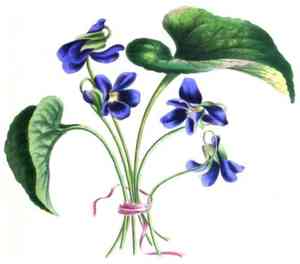
Darkwoods violet, identifiable by its cordate foliage and vivid blossoms, thrives with trimming in early spring or late winter. Essential methods involve removing lifeless or ailing stalks to foster robust development and snipping off faded, past-prime flowers to boost subsequent flowering. Performing this maintenance during these seasons corresponds with darkwoods violet's natural development rhythm, guaranteeing efficient energy allocation. Appropriate trimming stimulates strong growth, averts excessive density, and preserves the plant's visual charm, resulting in a more resilient and flourishing garden plant.
What Are the Benefits of Pruning Darkwoods Violet?
What Are the Benefits of Pruning Darkwoods Violet?
Trimming darkwoods violet promotes robust development by removing weak or diseased sections, helps maintain its desired form, and prevents overcrowding, enhancing air circulation and reducing susceptibility to pests and diseases.
What Is the Best Time for Pruning Darkwoods Violet?
What Is the Best Time for Pruning Darkwoods Violet?
Pruning or trimming darkwoods violet in early spring and late winter aligns with its natural growth cycle. During these periods, darkwoods violet is typically dormant or in a low-growth state, minimizing stress and lowering disease risk. Pruning at this time encourages healthy new growth for the upcoming season. Additionally, early spring and late winter pruning helps shape the plant before its vigorous growth and flowering, ensuring better energy distribution for blooms.
What Tools Do I Need to Prune Darkwoods Violet?
Hand Pruners
Hand pruners are ideal for making clean cuts on stems and branches. They are perfect for darkwoods violet as they allow for precise trimming, crucial for maintaining the plant's shape and health.
Pruning Shears
Pruning shears offer ease of use for trimming and shaping. They can handle slightly thicker stems than hand pruners, making them suitable for the occasional thicker growth on darkwoods violet.
Pruning Knife
A pruning knife is useful for making fine, detailed cuts. This is advantageous for darkwoods violet when delicate pruning is required, especially near the plant's base or for removing dead or damaged leaves.
Disinfectant Wipes or Solution
Disinfectant wipes or solutions are essential for sterilizing pruning tools before and after use. This prevents the spread of disease and ensures the health of darkwoods violet.
How to Prune Darkwoods Violet
Inspect
Examine darkwoods violet for any indications of disease or wilting on its leaves. This is vital for identifying which parts require trimming.
Clean tools
Ensure all pruning tools are cleaned and sterilized to prevent disease transmission during cutting. Use rubbing alcohol or a bleach solution for this task.
Remove diseased
Carefully cut away any diseased leaves at their base, making sure to eliminate all affected tissue to stop the disease from spreading.
Remove withered
Trim off any withered leaves by cutting them at the stem just above the healthy portion of the plant, ensuring no dead material remains.
Dispose
Properly dispose of all removed leaves by bagging them and discarding them with your garden waste to prevent reintroducing any disease into the garden.
Common Pruning Mistakes with Darkwoods Violet
Over-pruning
Cutting too much of darkwoods violet can stress the plant, leading to poor growth and fewer flowers. It's crucial to leave enough leaves for photosynthesis.
Improper Cutting Technique
Using dull or dirty tools can create jagged cuts that increase disease risk. Always ensure tools are sharp and clean for precise cuts.
Neglecting Deadheading
Failing to remove spent flowers can result in reduced blooming. Deadheading encourages new flowers and maintains the plant's aesthetic appeal.
Cutting at the Wrong Angle
Making cuts too close to the main stem or too far from a bud can harm darkwoods violet. Cuts should be made at a slight angle to promote proper wound healing.
Ignoring Disease and Pest Signs
Pruning without checking for disease or pests can spread these issues throughout the plant. Always inspect darkwoods violet before pruning.
Common Pruning Tips for Darkwoods Violet
Use Proper Tools
Invest in sharp, clean pruning shears. Appropriate tools make clean cuts that heal faster, reducing disease risk.
Prune Lightly
Aim to remove no more than one-third of the plant at any time. This ensures darkwoods violet retains enough foliage to stay healthy and vigorous.
Deadhead Regularly
Promptly remove spent flowers to encourage continuous blooming. This practice also prevents the plant from expending energy on seed production.
Monitor Plant Health
Before pruning, inspect darkwoods violet for signs of disease or pests. Prune away any affected parts and dispose of them properly to prevent spreading.
Cut Above a Node
When making cuts, do so just above a leaf node or bud. This method encourages new growth in the desired direction and promotes a fuller appearance.



