How to Propagate Darkwoods violet?
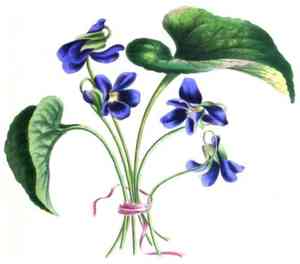
Darkwoods violet, a member of the Violaceae family, flourishes in damp, shaded habitats. For propagation, plant seeds in adequately draining soil with moderate moisture, sustaining a steady temperature for best sprouting. Maintaining a humid atmosphere for the young plants can boost their development. Consistent inspection for insects and illnesses guarantees robust growth. Move juvenile plants to their intended spots once they are resilient enough to endure the transfer.
Optimal Period for Darkwoods Violet Propagation
Propagation Method
Sowing
Propagation Period
Spring
Tools for Darkwoods Violet Propagation
Seed Trays
Seed trays are crucial for germinating darkwoods violet seeds. They offer a controlled setting for seed sprouting, enabling simple oversight and management of moisture levels and seedling development.
Seed Compost
Seed compost supplies the vital nutrients and ideal soil structure for darkwoods violet seeds to sprout and thrive. High-quality seed compost ensures good drainage and aeration, essential for robust seedling growth.
Fine Seed Sieve
A fine seed sieve is useful for gently covering darkwoods violet seeds with a thin layer of compost, ensuring even spread and preventing overcrowding. This aids in achieving uniform germination and reducing competition among seedlings.
Mist Sprayer
A mist sprayer is perfect for gently watering darkwoods violet seeds and young plants without disturbing the soil. Consistent moisture is key for seed germination, and a mist sprayer helps maintain proper moisture without waterlogging.
Heated Propagator
A heated propagator provides a warm, stable environment for darkwoods violet seeds, boosting germination rates. By maintaining steady temperatures, it ensures optimal conditions for seedling growth, especially in cooler climates.
Pricking Out Tool
A pricking out tool is used to carefully lift and move darkwoods violet seedlings from the seed tray into individual pots. This minimizes root disturbance and ensures healthy seedling growth by providing adequate space and nutrients.
Labels and Marker Pens
Labels and marker pens are important for identifying darkwoods violet seeds and seedlings. Proper labeling helps track sowing dates, seed varieties, and specific care instructions, ensuring organized and efficient propagation.
Watering Can with Fine Rose
A watering can with a fine rose attachment offers a gentle watering option for darkwoods violet, preventing soil displacement and seed disruption. It ensures even watering, which is essential for seed germination and healthy seedling growth.
How to Propagate Darkwoods Violet?
Propagation Type
Easy
Caring for Your Newly Propagated Darkwoods Violet
Caring for Your Newly Propagated Darkwoods Violet
Post-transplant, maintain a consistent watering schedule to keep the soil uniformly moist. Provide partial shade to shield young plants from direct sunlight. Apply a balanced, diluted fertilizer every 4-6 weeks to support healthy development. Monitor for any signs of pests or diseases and address them promptly to ensure robust growth.
Common Errors to Avoid When Propagating Darkwoods Violet
Overwatering
Excessive moisture can lead to root rot and fungal infections, hindering growth and successful propagation.
Improper Soil Choice
Using soil that retains too much moisture or drains poorly can suffocate roots and result in poor plant health.
Inadequate Light Conditions
Placing darkwoods violet in environments that are either too dim or too bright can lead to stunted growth or leaf scorching.
Neglecting Temperature Requirements
Failure to maintain suitable temperature ranges can slow growth or cause stress, making propagation challenging.
Incorrect Cutting Technique
Taking improper cuttings can harm parent plants and lead to unsuccessful propagation attempts.
Tips For Propagating Darkwoods Violet
Moderate Watering
Ensure the soil is moist but not waterlogged. A well-draining potting mix is preferred.
Suitable Soil Mix
Use a soil mix designed to balance moisture retention with proper aeration. A combination of potting soil, perlite, and sand works well.
Filtered Light Exposure
Provide bright, indirect light to support healthy growth. Avoid direct sunlight to prevent leaf damage.
Stable Temperatures
Maintain a consistent temperature range suitable for darkwoods violet, avoiding extremes that can cause stress.
Clean Cutting Tools
Use sterilized tools to take cuttings to prevent infections and ensure successful propagation.



