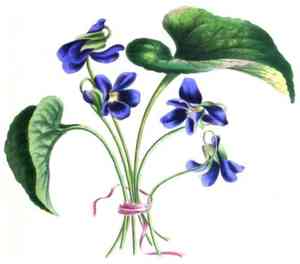
Darkwoods violet (Viola orbiculata)
Also known as: Round-leaved Violet
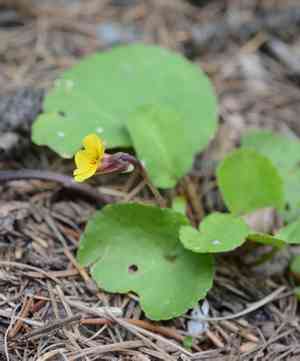
Darkwoods violet thrives in moist, shaded areas, particularly in deciduous forests. It prefers the rich, loamy soil found on forest floors. Its round, heart-shaped leaves and small, bright yellow flowers bloom in spring. Despite its delicate look, it is quite resilient, thriving in the competitive, low-light conditions of the forest understory.
In This Article
Attributes of Darkwoods violet
Lifespan
Perennial
Plant Type
Herb
Plant Height
2.5 cm to 8 cm
Spread
10-20 cm
Leaf Color
Green
Flower Size
0.5-1 cm
Flower Color
Yellowish to greenish
Images of Darkwoods violet
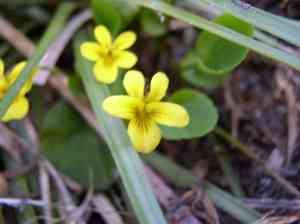
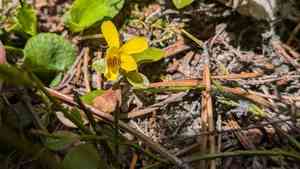
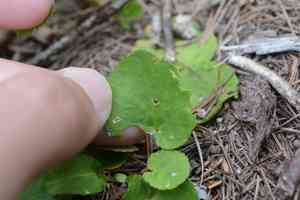
Quickly Identify Darkwoods violet
1
Viola orbiculata can be identified by its round, basal leaves and small, yellowish to greenish flowers. The leaves are usually smooth, and the flower petals have a slight notch at the tip.
Scientific Classification of Darkwoods violet
Phylum
Vascular plants
Class
Dicotyledons
Order
Malpighiales
Family
Violet
Genus
Violets
Species
Darkwoods violet
Planting and Growing of Darkwoods violet
Care Difficulty
Moderate
Watering Schedule
Every 2 days
Sunlight Requirements
Partial sun
Sunshine Duration
4-8 hours
Ideal Temperature
60-70℉
Soil Type
Potting Mix, Peat Mix
Soil pH
6.5-7.5
Fertilizer Type
Balanced
Pruning Season
Spring, Summer
Pruning Area
Branches, Leaves
Pruning Frequency
Once a year
Repotting Season
Spring
Pot Type
Plastic, Ceramic
 How to Water Darkwoods violet?
Viola orbiculata requires a consistent and balanced watering routine. When you water, aim for approximately 200 ml each time, ensuring the soil is evenly moist but not waterlogged. The key is to allow the top inch of the soil to dry out before watering again, which mimics its natural environment and prevents stress on the plant.
What are the symptoms of an underwatered Darkwoods violet?
›
What should I do if my Darkwoods violet is not getting enough water?
›
What are the symptoms of an overwatered Darkwoods violet?
›
How to save an overwatered Darkwoods violet?
›
 What Are the Sunlight Requirements for Darkwoods violet?
Viola orbiculata thrives in partial sun, adapting well to areas that offer a balance of light and shadow. This range supports optimal photosynthesis, contributing to lush growth and vibrant flowering.
What type of sunlight does Viola orbiculata prefer?
›
How can you ensure Viola orbiculata receives its ideal light?
›
What benefits does ideal lighting provide for Viola orbiculata?
›
 What Is the Ideal Temperature Range for Darkwoods violet?
Viola orbiculata thrives best in a moderate temperature range of 60°F to 70°F. This range provides the necessary environment for optimal growth and bloom. Staying within this range ensures the plant receives enough warmth without stressing it due to excessive heat.
 What Soil is Best for Darkwoods violet?
Viola orbiculata thrives in nutrient-rich soil that provides ample organic matter for optimal growth. The nutrients aid in vibrant flowering and robust plant health. Well-drained soil is a must to prevent root rot. This ensures that the roots are aerated, allowing the plant to absorb water and nutrients efficiently. While draining excess water, the soil should retain enough moisture to provide continuous hydration, preventing wilting especially during dry spell periods.
 How to Fertilize Darkwoods violet?
For Viola orbiculata, it is crucial to ensure the right balance in fertilizer application. Use about half the recommended concentration of an all-purpose liquid fertilizer for the best results. Over-fertilizing can lead to nutrient build-up, so keeping the dosage light helps the plant metabolize nutrients more efficiently without stress.
 How to Prune Darkwoods violet?
Begin by using sterilized and sharp pruning shears. Trim back any dead or diseased leaves at the base to redirect nutrients to healthier parts of the plant. Next, cut back around one-third of the oldest growth to rejuvenate the plant progressively. Always prune at a 45-degree angle to prevent water pooling on the cut surface. Regular pruning on a monthly basis helps maintain plant size and shape, encourages bushier growth, and increases airflow around the plant. This is particularly important during warm months when the plant is actively growing.
More About Pruning Techniques→
 How to Propagate Darkwoods violet plant?
1
Collect seeds from mature plants in late spring when seed pods have dried out. Carefully open the pods over a container to catch falling seeds. Store seeds in a dry, cool place until you're ready to plant them in early spring.
2
Select healthy stems from the parent plant for cuttings. Cut at a 45-degree angle just below a node with a length of about 3-4 inches. Remove leaves from the lower half of the cutting to ensure energy is directed towards root development.
3
In early spring, dig up the plant you wish to divide. Gently separate the root clumps using your hands or a clean garden knife. Ensure each new division has roots attached, then replant in a suitable location.
 How to Repot Darkwoods violet plant?
1
Viola orbiculata needs repotting when its roots start peeking out through the drainage holes or when growth seems stunted despite regular care. Spring and autumn are ideal as the plant experiences less stress. Additionally, repot if the soil has compacted and no longer provides adequate drainage.
2
Select a pot that is only one size larger than the current one and has multiple drainage holes. This prevents excess soil retaining too much water, which can lead to root rot. A pot made from breathable material such as terracotta also aids in moisture control and temperature regulation.
3
The chosen soil should be rich in organic matter and well-draining. Incorporating perlite or coarse sand helps maintain the necessary air pockets in the soil, preventing waterlogging and ensuring the roots receive adequate oxygen.
Learn More About Darkwoods violet Diseases
Anthracnose
Bacterial Leaf Spot
Bacterial Soft Rot
Crown Gall
Cyst Nematode
Damping-off
Downy Mildew
Drought Stress
Fusarium Wilt
Gray Mold
Leaf Spot
Mosaic
Nutrient Deficiency
Nutrient Toxicity
Powdery Mildew
Root Rot
Root-knot Nematode
Rusts
Sooty Mold
Spider Mites
Temperature Stress
Thrips Damage
White Mold



