How to Prune Toothleaf Goldeneye?
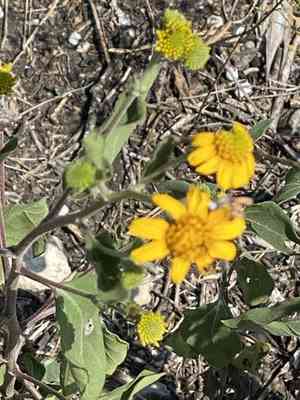
This perennial, which thrives in sunlight, is recognized by its vibrant yellow, daisy-shaped blossoms. For toothleaf Goldeneye, trimming can be performed throughout the year to preserve its form and foster a more compact habit. Removing spent flowers after blooming encourages additional floral displays. Sever old stalks at ground level in early spring to revitalize the plant and stimulate fresh development. Reducing crowded sections enhances air movement, thereby lowering the likelihood of disease. The advantages of pruning encompass improved plant health, extended bloom periods, and a neater look.
What Are the Benefits of Pruning Toothleaf Goldeneye?
What Are the Benefits of Pruning Toothleaf Goldeneye?
Trimming toothleaf Goldeneye promotes abundant blooming by eliminating faded flowers, stimulating new development. Regular cutting helps maintain a compact shape, preventing it from spreading excessively. Such upkeep ensures toothleaf Goldeneye remains visually appealing and robust.
What Is the Best Time for Pruning Toothleaf Goldeneye?
What Is the Best Time for Pruning Toothleaf Goldeneye?
Pruning toothleaf Goldeneye from late winter to early spring is optimal as it prepares the plant for fresh growth and minimizes harm to new shoots emerging in spring. This timing also allows for the removal of frost-damaged branches and shaping before the growing season begins. Pruning prior to the spring growth spurt facilitates quicker wound healing, directing the plant's energy towards producing new, healthy growth. Furthermore, since toothleaf Goldeneye's flowering cycle might be affected by pruning, timing cuts right after the last expected frost but before the initial flush of spring growth will ensure the plant's ability to produce flowers is not compromised.
What Tools Do I Need to Prune Toothleaf Goldeneye?
Hand Pruners
Perfect for trimming smaller stems and deadheading individual blossoms. Bypass pruners, which create clean cuts that heal well, are preferred for toothleaf Goldeneye.
Lopping Shears
Useful for branches too thick for hand pruners. Their long handles provide leverage and reach into the plant without harming other toothleaf Goldeneye stems.
Pruning Saw
Essential for removing old, thick wood that loppers cannot cut. A pruning saw is crucial for rejuvenation pruning if toothleaf Goldeneye has become overgrown or has thick, woody stems.
Hedge Clippers
If shaping is desired or many small branches need trimming, manual hedge clippers can be used for quick shaping of toothleaf Goldeneye.
How to Prune Toothleaf Goldeneye
Disinfect tools
Before beginning, sanitize all pruning shears and tools to prevent disease spread to toothleaf Goldeneye. Use a bleach or alcohol solution to thoroughly clean the blades.
Remove diseased parts
Identify and eliminate any diseased leaves and branches from toothleaf Goldeneye, cutting them back to healthy tissue. Disinfect tools between cuts when removing diseased material.
Cut withered elements
Trim off withered leaves and dead branches to encourage healthy growth and improve air circulation within toothleaf Goldeneye's foliage. Make cuts at a 45-degree angle to prevent water accumulation.
Prune withered flowers
Clip off withered flowers from toothleaf Goldeneye just below the flower head to encourage new blooms and prevent the plant from expending energy on seed production.
Discard trimmed material
Dispose of all trimmed material, especially diseased leaves and branches, away from toothleaf Goldeneye to prevent reinfection or pest spread.
Common Pruning Mistakes with Toothleaf Goldeneye
Over-pruning
Removing too much foliage or too many stems at once can stress toothleaf Goldeneye and hinder its ability to photosynthesize effectively.
Pruning too early or late in the growth cycle
Cutting back toothleaf Goldeneye at the wrong time in its growth cycle can prevent the plant from flowering properly or reduce its vigor.
Using dull or dirty tools
Pruning with tools that are not sharp or are dirty can damage the stems of toothleaf Goldeneye and introduce disease.
Cutting too close or too far from the node
Incorrect cutting placement can result in unwanted growth or may cause dieback of the stem.
Ignoring diseased or damaged stems
Failing to remove diseased, damaged or dead material can invite pests and diseases and can negatively affect the overall health of toothleaf Goldeneye.
Pruning without a plan
Randomly cutting branches without understanding the growth pattern of toothleaf Goldeneye can result in an undesirable shape and affect future growth.
Common Pruning Tips for Toothleaf Goldeneye
Clean and sharp tools
Use sterilized, sharp pruning shears to ensure clean cuts that will heal quickly, reducing the risk of disease for toothleaf Goldeneye.
Pruning for shape
Prune toothleaf Goldeneye to maintain a pleasing shape, focusing on thinning rather than topping to encourage natural growth habits.
Thinning out
Thin out the center of the plant to improve air circulation and light penetration, which can help promote healthy growth and reduce disease for toothleaf Goldeneye.
Cutting at the correct place
Make cuts just above leaf nodes or buds to encourage healthy new growth in toothleaf Goldeneye.
Timely removal of spent blooms
Deadhead or remove spent blooms to encourage toothleaf Goldeneye to produce more flowers.
Gradual pruning
Especially for larger specimens of toothleaf Goldeneye, remove only a small portion of the plant at a time over several seasons to avoid overstressing it.



