The Toothleaf Goldeneye Plant Advantage: Maximizing Home and Office Appeal and Wellness
1
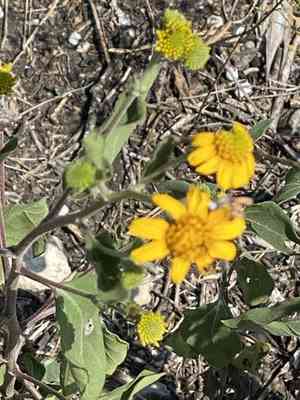
Toothleaf Goldeneye is recognized for its striking yellow blooms, drawing in pollinators.
2
This plant tolerates dry conditions well, making it perfect for arid climates.
3
Toothleaf Goldeneye provides erosion prevention due to its robust root structure.
Key Advantages of Toothleaf Goldeneye?
Draws in Pollinators
Toothleaf Goldeneye produces vivid yellow blossoms that strongly attract bees, butterflies, and other pollinating insects. This not only aids in the fertilization of nearby plants but also fosters biodiversity. Including Toothleaf Goldeneye in your garden can promote a healthy ecosystem by supplying food for these vital creatures.
Resistant to Drought
A prominent characteristic of Toothleaf Goldeneye is its capacity to flourish in dry conditions. This plant originates from arid regions and has evolved to need very little water. For gardeners and landscapers, this translates to lower water consumption and reduced expenses, making it an eco-friendly option for areas where water conservation is crucial.
How Does Toothleaf Goldeneye Enhance Soil Quality?
Erosion Prevention
Toothleaf Goldeneye possesses a robust root system that helps stabilize the ground, thereby reducing erosion. This is especially useful for areas susceptible to soil erosion from wind or water runoff. By cultivating Toothleaf Goldeneye, you can help preserve soil integrity and prevent the loss of valuable topsoil.
Soil Enrichment
In addition to preventing erosion, Toothleaf Goldeneye also improves soil health through the organic matter it sheds. As the plant matures and drops leaves and flowers, these materials decompose and enrich the soil, adding essential nutrients that benefit other plants in the vicinity.
What Are the Landscaping Applications of Toothleaf Goldeneye?
Visual Appeal
Toothleaf Goldeneye is frequently utilized in landscaping due to its striking yellow blooms and attractive green foliage. It can serve as a focal point plant, be incorporated into mixed borders, or even become part of a wildflower garden. Its bright flowers can introduce a burst of color to any landscape, making it a popular choice among gardeners.
Low Upkeep
One of the most appealing aspects of Toothleaf Goldeneye in landscape design is its minimal maintenance requirements. This plant is resilient and can endure various environmental conditions without needing constant attention. Once established, it demands little watering and is resistant to many common pests and diseases, making it an easy option for low-maintenance gardening.
How Can Toothleaf Goldeneye Be Integrated into Sustainable Practices?
Xeriscaping
Toothleaf Goldeneye is an excellent selection for xeriscaping, a landscaping approach that minimizes or eliminates the need for supplementary irrigation. By incorporating Toothleaf Goldeneye into xeriscape designs, gardeners can create beautiful, sustainable landscapes that thrive with minimal water.
Habitat Creation
Beyond its aesthetic and practical advantages, Toothleaf Goldeneye can also contribute to habitat creation. Its flowers offer nectar and pollen for pollinators, while its dense foliage can provide shelter for small animals and insects. Including Toothleaf Goldeneye in your garden can therefore help establish a miniature ecosystem that supports a variety of species.
What Are the Growth and Care Requirements for Toothleaf Goldeneye?
Light and Soil Preferences
Toothleaf Goldeneye thrives best in full sun and adapts to various soil types, though it prefers well-drained soils. It can tolerate sandy or rocky ground, making it a versatile option for different garden conditions. Ensuring adequate sunlight exposure will help Toothleaf Goldeneye produce the most vibrant blooms.
Planting and Trimming
When planting Toothleaf Goldeneye, space plants appropriately to allow for air circulation and growth. While Toothleaf Goldeneye needs minimal pruning, removing spent flowers can encourage new blooms and help maintain the plant's appearance. Pruning can also prevent the plant from becoming too leggy and support a more compact growth habit.



