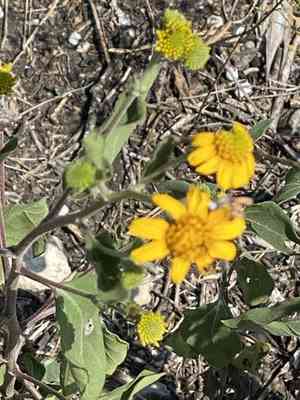
Toothleaf Goldeneye (Viguiera dentata)
Also known as: Sunflower Goldeneye , Plateau Golden-eye, Toothleaf, Tooth-leaf Goldeneye
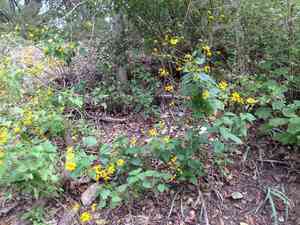
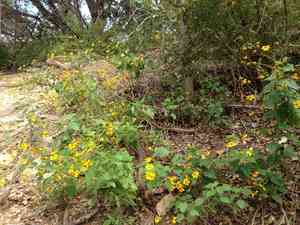
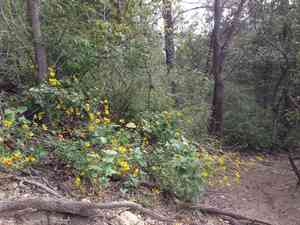
Toothleaf Goldeneye (Viguiera dentata) typically reaches a height of 91 to 183 cm. This flowering plant showcases clusters of bright, daisy-like blooms in the fall. Adapted to dry conditions, it thrives in prairies, woodland edges, and forest clearings. The nectar-rich flowers attract bees and butterflies, while birds enjoy the seeds during the winter months.
In This Article
Attributes of Toothleaf Goldeneye
Lifespan
Perennial
Plant Type
Herb, Shrub
Plant Height
91 cm to 1.8 m
Spread
30 cm to 2.5 m
Leaf Color
Green
Flower Size
2.5 cm to 5 cm
Flower Color
Yellow Orange
Images of Toothleaf Goldeneye
Quickly Identify Toothleaf Goldeneye
1
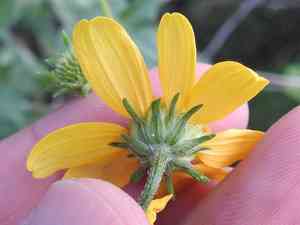
To identify Viguiera dentata, look for its bright yellow, daisy-like flowers which typically have 8-14 petals. The leaves are opposite, toothed, and lance-shaped. The plant usually grows in well-drained soils and can be found in open areas like roadsides and fields.
Scientific Classification of Toothleaf Goldeneye
Phylum
Vascular plants
Class
Dicotyledons
Order
Asterales
Family
Daisy
Genus
Goldeneyes
Species
Toothleaf Goldeneye
Planting and Growing of Toothleaf Goldeneye
Care Difficulty
Easy
Watering Schedule
Every 8 days
Sunlight Requirements
Full sun
Sunshine Duration
6-10 hours
Ideal Temperature
65-75℉
Soil Type
Potting Mix, Peat Mix
Soil pH
6.5-7.5
Fertilizer Type
Balanced
Pruning Season
Spring, Summer
Pruning Area
Branches, Leaves
Pruning Frequency
2 times a year
Repotting Season
Spring
Pot Type
Plastic, Ceramic
 How to Water Toothleaf Goldeneye?
Viguiera dentata, commonly known as the Sunflower Goldeneye, thrives with consistent yet moderate moisture. Ideally, you should ensure that the soil is evenly moist down to about 5 cm (2 inches). A good benchmark is 500 ml of water per session to achieve this level of moisture, ensuring the water reaches the root zone without oversaturating it.
What are the symptoms of an underwatered Toothleaf Goldeneye?
›
What should I do if my Toothleaf Goldeneye is not getting enough water?
›
What are the symptoms of an overwatered Toothleaf Goldeneye?
›
How to save an overwatered Toothleaf Goldeneye?
›
 What Are the Sunlight Requirements for Toothleaf Goldeneye?
Viguiera dentata thrives best in full sun conditions, ideally receiving 6 to 8 hours of direct sunlight daily. Under these conditions, the plant exhibits stronger growth, more prolific blooming, and better structural form, with less susceptibility to pests and diseases.
More About Sunlight Requirements Techniques→
What is the ideal lighting environment for Viguiera dentata?
›
How can I achieve the optimal lighting for this plant?
›
What are the benefits of providing ideal lighting to Viguiera dentata?
›
 What Is the Ideal Temperature Range for Toothleaf Goldeneye?
For Viguiera dentata, the ideal temperature range for optimal growth is between 65°F and 75°F. This range allows the plant to photosynthesize efficiently, promoting healthy leaf and flower development. Maintaining this temperature helps ensure vigorous vegetative growth and vibrant flowering.
 What Soil is Best for Toothleaf Goldeneye?
Viguiera dentata thrives in well-drained soils that prevent water from pooling around its roots. This feature significantly reduces the risk of root rot and promotes healthy growth in this sun-loving plant. While Viguiera dentata is not overly picky about soil fertility, moderate fertility levels support robust growth. A slightly nutrient-rich environment ensures the plant receives sufficient nutrition for vibrant blooms and sustained vigour. Although Viguiera dentata prefers well-drained soils, some moisture retention is beneficial. Balanced moisture levels help maintain the plant's health during dry spells without over-saturating the root system.
 How to Fertilize Toothleaf Goldeneye?
To ensure Viguiera dentata thrives, apply a balanced 10-10-10 liquid fertilizer at half strength to avoid over-fertilization. The ideal amount is approximately 1/2 teaspoon per gallon of water. Even distribution across the plant area is crucial, promoting healthy foliage and vibrant blooms while minimizing the risk of nutrient burn.
 How to Prune Toothleaf Goldeneye?
Start by identifying and removing dead or diseased branches. These branches will often be brittle, with no green indicating healthy growth. Cutting these away allows the plant to direct resources to more viable areas. Trim back branches that disrupt the desired shape of the plant. Viguiera dentata can become top-heavy; hence, regular shaping ensures an even and aesthetic growth pattern. Cut just above a leaf node to promote new growth.
More About Pruning Techniques→
 How to Propagate Toothleaf Goldeneye plant?
1
Harvest seeds from mature Viguiera dentata flowers once they've dried on the stem. Ensure the seeds are clean and dry before storing or planting.
2
Use a well-draining potting mix for sowing seeds or planting cuttings. The soil should be slightly moist but not waterlogged to prevent root rot.
3
Select healthy stems from the plant, preferably non-flowering, and cut segments 4-6 inches long. Remove leaves from the lower half before planting.
 How to Repot Toothleaf Goldeneye plant?
1
Viguiera dentata requires repotting when you notice roots emerging from the drainage holes, or when the soil becomes compacted and water runs off without soaking in. Additionally, if the plant shows stunted growth, it is time to consider repotting. Ideally, repot during the active growing seasons like spring or summer for best results.
2
Select a pot that is one or two sizes larger than the current one. Ensure it has adequate drainage holes to prevent waterlogging, which can lead to root rot. A well-ventilated pot allows for healthy root growth and helps maintain the plant’s overall vigor by providing the necessary space for expansion.
3
Use a loamy, well-draining soil mix to ensure that excess water is efficiently removed while maintaining the right level of moisture for the Viguiera dentata. A soil rich in organic matter will provide nutrients and promote healthy growth. The proper soil will also support aeration, keeping roots healthy and robust.
Learn More About Toothleaf Goldeneye Diseases
Anthracnose
Bacterial Leaf Spot
Bacterial Soft Rot
Bacterial Wilt
Black Spot
Chemical Injury
Crown Gall
Cyst Nematode
Damping-off
Downy Mildew
Drought Stress
Fusarium Wilt
Gray Mold
Leaf Curl
Leaf Spot
Mosaic
Nutrient Deficiency
Nutrient Toxicity
Powdery Mildew
Root Rot
Root-knot Nematode
Rusts
Sooty Mold
Spider Mites
Temperature Stress
Thrips Damage
White Mold



