How to Prune Purple mullein?
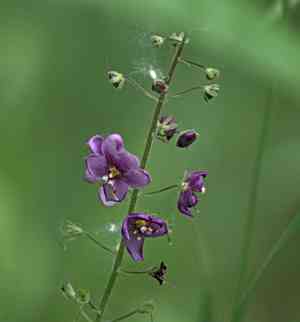
Distinguished by its elevated stalks of vivid blossoms, purple mullein presents a captivating feature in horticultural settings. Trimming entails removing faded flowers to stimulate additional blooming and excising any impaired or ailing leaves when necessary. Pruning is permissible throughout the year, with an emphasis on post-flowering upkeep to deter self-propagation if preferred. Pruning aids purple mullein by fostering a more orderly growth pattern, potentially extending the flowering duration, and diminishing the proliferation of undesirable young plants.
Advantages of Trimming Purple Mullein
Advantages of Trimming Purple Mullein
Trimming purple mullein promotes abundant flowering by eliminating faded blossoms. Cutting back elongated stems helps purple mullein maintain a compact shape and encourages robust, healthy development throughout the season.
Optimal Period for Pruning Purple Mullein
Optimal Period for Pruning Purple Mullein
Pruning purple mullein in late winter to early spring, immediately following the last frost, is advantageous as it allows for the removal of winter-damaged or dead foliage, preparing the plant for new growth. During this period, purple mullein remains dormant, meaning pruning will minimize stress and the risk of disease transmission, as the plant is not actively producing new shoots. Furthermore, trimming before the growth season begins can shape the plant and stimulate a more vigorous return in spring and summer when it enters its active growth and flowering phase. Pruning outside this recommended timeframe could disrupt purple mullein's natural growth cycle or reduce its blooming potential.
Tools Required for Pruning Purple Mullein
Hand Pruners
Perfect for cutting flowering stems at the base without harming purple mullein's delicate leaves.
Pruning Shears
Ideal for detailed work around the plant's base, allowing precise control when shaping purple mullein.
Gloves
Protects the gardener's hands from purple mullein's potentially abrasive stalks and ensures safe tool handling.
Garden Scissors
Suitable for deadheading or removing spent flowers to encourage reblooming in purple mullein.
Long-handled Loppers
Useful if purple mullein is situated within dense plantings, offering extended reach to access stems without disturbing adjacent plants.
How to Prune Purple Mullein
Disease Removal
Identify and carefully snip off any diseased leaves or branches from purple mullein using clean, sharp pruning shears to prevent disease spread.
Dead Material Removal
Trim dead branches and withered leaves from purple mullein to maintain the plant's health and appearance, cutting as close to the base of the dead material as possible without harming healthy tissue.
Wilted Flower Trimming
Remove faded flowers from purple mullein just below the flower head to encourage further blooming and prevent the plant from expending energy on seed production.
Shape Maintenance
Shape purple mullein by selectively pruning growth that disrupts the plant's natural form, making cuts at a 45-degree angle to facilitate water runoff and prevent rot.
Clean Up
Dispose of all removed plant material and sanitize pruning tools with a disinfectant to prevent disease spread to purple mullein or other plants.
Common Pruning Errors with Purple Mullein
Overpruning
Removing excessive foliage or too many stems at once can weaken purple mullein and reduce its flowering capacity.
Uneven Cuts
Making jagged or uneven cuts during pruning can lead to unnecessary damage and entry points for disease on purple mullein.
Neglecting Deadhead
Failing to regularly remove spent blooms can result in fewer new flowers as purple mullein may prioritize seed production over promoting new blooms.
Pruning Healthy Growth
Unnecessarily cutting back healthy growth can stress purple mullein and negatively impact its natural shape and vigor.
Using Dull Tools
Pruning with dull or unclean tools can crush stems and leave behind damaged tissue, making purple mullein more vulnerable to pests and diseases.
General Pruning Advice for Purple Mullein
Sharp Clean Cuts
Always use sharp and clean pruning shears to make precise cuts, which help minimize stress and promote rapid healing in purple mullein.
Deadheading
Regularly remove faded flowers to encourage purple mullein to produce more blooms and direct energy towards growth rather than seeding.
Selective Pruning
Thin out crowded areas by selectively removing some stems to promote better air circulation and light penetration, benefiting the overall health of purple mullein.
Shape Maintenance
Cut back the stems of purple mullein to preserve its natural form and prevent overgrowth; this enhances both the appearance and the health of the plant.
Healthy Growth Encouragement
Prune by cutting just above a leaf node or a branching point to encourage purple mullein to produce new, healthy shoots.



