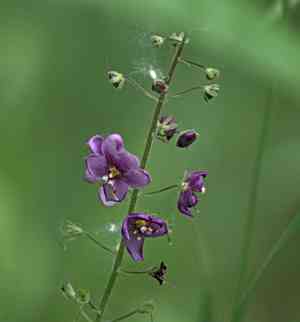
Purple mullein (Verbascum phoeniceum)
Also known as: Purple Mullein
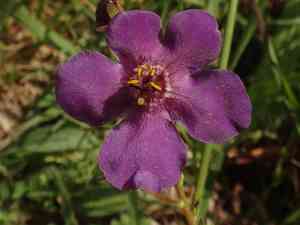
The flowers of purple mullein exhibit a range of colors, including deep pink, purple, and white. Additionally, the subspecies Verbascum phoeniceum subsp. flavidum, which is prevalent in Greece, produces yellow flowers. The variation in flower color is influenced by several factors such as genetic differences, environmental conditions like soil type, light, and temperature, as well as nutrient availability and watering practices. These elements collectively contribute to the diverse coloration seen in purple mullein flowers.
In This Article
Attributes of Purple mullein
Lifespan
Perennial, Biennial
Plant Type
Herb
Plant Height
60 cm
Spread
40 cm
Leaf Color
Green
Flower Size
2.5 cm to 5 cm
Flower Color
White Pink Purple Violet Red
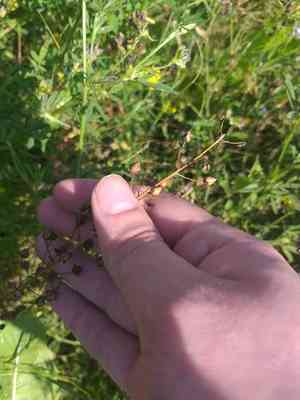
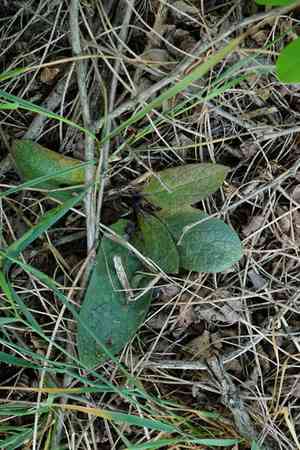
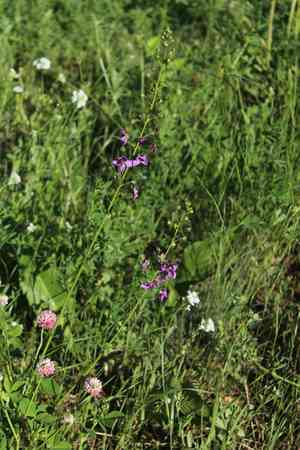
Images of Purple mullein
Quickly Identify Purple mullein
1
Verbascum phoeniceum can be identified by its tall, erect flower spikes, typically growing 30-90 cm in height, with multiple small, five-petaled flowers arranged along the spike. Its leaves are basal, forming a rosette at the base, and are usually oblong or lanceolate in shape.
Scientific Classification of Purple mullein
Phylum
Vascular plants
Class
Dicotyledons
Order
Lamiales
Family
Figwort
Genus
Mullein
Species
Purple mullein
Planting and Growing of Purple mullein
Care Difficulty
Easy
Watering Schedule
Every 2 days
Sunlight Requirements
Full sun
Sunshine Duration
4-6 hours
Ideal Temperature
60-70℉
Soil Type
Potting Mix, Peat Mix
Soil pH
6.5-7.5
Fertilizer Type
Balanced
Pruning Season
Spring, Summer
Pruning Area
Branches, Leaves
Pruning Frequency
2 times a year
Repotting Season
Spring
Pot Type
Terracotta, Plastic
 How to Water Purple mullein?
For Verbascum phoeniceum, it's important to water thoroughly yet infrequently. Aim to moisten the soil to a depth of about six inches, ensuring that the roots receive enough moisture without becoming waterlogged. This plant thrives in well-drained soil, so be cautious not to create a soggy environment.
What are the symptoms of an underwatered Purple mullein?
›
What should I do if my Purple mullein is not getting enough water?
›
What are the symptoms of an overwatered Purple mullein?
›
How to save an overwatered Purple mullein?
›
 What Are the Sunlight Requirements for Purple mullein?
These plants thrive best under full sun to partial sun conditions. Access to ample sunlight enhances flowering and ensures healthy growth.
More About Sunlight Requirements Techniques→
What is the ideal lighting solution?
›
How to implement ideal lighting?
›
What benefits come from ideal lighting?
›
 What Is the Ideal Temperature Range for Purple mullein?
Verbascum phoeniceum thrives best in temperatures ranging from 60°F to 70°F. This moderate temperature range supports optimal growth and flowering, ensuring that the plant receives just the right amount of warmth without being exposed to stress or temperature-induced damage. This range simulates the native environment of the plant, balancing adequate sunlight and temperature for photosynthesis and water uptake processes. Sustainable growth conditions within this range lead to robust plant health and vibrant blossoms.
 What Soil is Best for Purple mullein?
Adequate drainage is essential for Verbascum phoeniceum to prevent root rot. An environment that dries relatively quickly after rain will ensure healthy root development and sustain the plant’s overall growth. This plant appreciates a nutrient-dense soil that can support its growth and flowering. Regular compost addition can foster better bloom and vibrant foliage, enhancing its ornamental appeal. Verbascum phoeniceum thrives well in a lighter soil mix, making loamy or sandy loam ideal. Such composition ensures that soil remains aerated, promoting root health and enhancing nutrient uptake efficiency.
 How to Fertilize Purple mullein?
Verbascum phoeniceum, commonly known as purple mullein, benefits from a moderate amount of fertilizer. It's essential not to over-fertilize, as this can lead to nutrient imbalances and affect plant health. Use a balanced 10-10-10 liquid fertilizer diluted to half strength to provide essential nutrients while avoiding root burn.
 How to Prune Purple mullein?
Before pruning, recognize that Verbascum phoeniceum is a perennial known for its striking vertical flower spikes. Its natural growth pattern includes forming basal rosettes with tall flowering stalks emerging from the center. Pruning should aim to maintain this natural form while removing dead or spent materials for healthier growth overall. Start by removing any dead or damaged leaves at the base by snipping them close to the crown. This clears the way for new growth and prevents disease. Once flowering season begins, deadhead spent blooms to encourage more blossoms and to prevent the plant from seeding, which diverts energy away from flowering.
More About Pruning Techniques→
 How to Propagate Purple mullein plant?
1
Begin by filling a seed tray or pots with well-draining soil. Sow the seeds lightly on the surface, and cover them with a thin layer of soil or vermiculite. Maintain consistent moisture and place them in a bright but indirect light location until germination.
2
Select a healthy plant when taking cuttings. Use a sharp knife to cut a stem section just below a node. Remove any leaves from the lower part and dip the cut end in rooting hormone powder. Plant the cuttings in moist soil and cover with plastic to retain humidity.
3
Once seedlings have developed several true leaves, they can be carefully transplanted to individual pots. Handle them gently to minimize root disturbance, and gradually acclimate them to outdoor conditions before planting them in their permanent spots.
 How to Repot Purple mullein plant?
1
Recognizing when Verbascum phoeniceum requires repotting is crucial. Look for signs such as roots protruding from the drainage holes, soil drying out quickly, or stunted growth. Repotting is ideally done in spring or autumn to allow the plant to recover in optimal conditions.
2
Select a pot that is one size larger than the current one, with adequate drainage holes to prevent waterlogging. A pot made from breathable materials like terracotta can help moisture regulation, providing a healthier root environment for your plant.
3
Opt for a well-drained loamy mix that retains essential moisture while offering excellent drainage. This type of soil encourages robust root growth and helps prevent root rot, ensuring a thriving Verbascum phoeniceum.
Learn More About Purple mullein Diseases
Anthracnose
Bacterial Leaf Spot
Bacterial Wilt
Chemical Injury
Crown Gall
Cyst Nematode
Damping-off
Downy Mildew
Drought Stress
Fusarium Wilt
Gray Mold
Leaf Spot
Mosaic
Nutrient Deficiency
Nutrient Toxicity
Powdery Mildew
Root Rot
Root-knot Nematode
Rusts
Sooty Mold
Spider Mites
Temperature Stress
Thrips Damage
White Mold



