Enhancing Your Garden Design with the Purple mullein Plant: A Landscaping Guide
1
Purple mullein flourishes with ample sunlight and soil that drains effectively.
2
Consistent removal of spent flowers encourages ongoing blossoming.
3
Purple mullein is suitable for forming appealing garden edges and focal points.
Introducing Purple Mullein in Garden Design
Overview of Purple Mullein's distinctive qualities
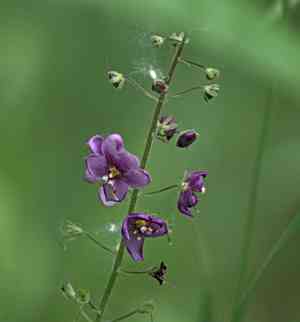
For an elegant and captivating garden addition, Purple Mullein stands out with its unique characteristics. Renowned for its tall, majestic purple flower spikes, this perennial offers vertical interest and vivid color to any landscape. Its basal leaf rosette provides dense ground cover, making it a significant garden feature. Beyond its visual appeal, Purple Mullein is known for its hardiness and ability to flourish in various soil types, especially well-drained ones.
Why select Purple Mullein for your outdoor space?
Choosing Purple Mullein for your garden provides several benefits. Firstly, its vibrant purple shades create a striking contrast with green foliage, enhancing your garden's overall beauty. Secondly, Purple Mullein requires relatively little upkeep, making it an excellent option for both new and experienced gardeners. Moreover, its extended blooming period ensures your garden remains colorful and lively from late spring through late summer. Lastly, Purple Mullein is known to attract beneficial pollinators like bees and butterflies, contributing to your garden's ecological health.
Incorporating Purple Mullein into Your Garden Layout
Considering placement and spacing
Optimal placement and spacing are vital for maximizing Purple Mullein's visual impact and health in your garden. This plant thrives best in full sun, so choose a location that receives ample sunlight throughout the day. When planting, ensure each Purple Mullein has sufficient room to grow, ideally spacing them about 18 to 24 inches apart. This promotes air circulation, reducing the risk of fungal diseases, and allows each plant to fully display its beauty without overcrowding.
Complementary plants and color schemes
To achieve a harmonious and aesthetically pleasing garden, consider pairing Purple Mullein with complementary plants and color palettes. Its vibrant purple blossoms make it an excellent companion for yellow, white, or pink flowers. Plants such as Shasta daisies, coreopsis, and yarrow can create a beautiful contrast. For a more unified look, select plants with similar foliage textures or colors that blend well with Purple Mullein's green leaves. This strategic pairing not only boosts visual appeal but also supports a diverse and healthy garden ecosystem.
Seasonal considerations for continuous allure
A key to a beautiful garden is maintaining year-round interest, and Purple Mullein can significantly contribute to this. For ongoing appeal, consider how Purple Mullein can be integrated with other plants that bloom at different times of the year. This way, while Purple Mullein is at its peak during late spring and summer, other plants can take over in the fall and winter, ensuring there's always something captivating. Additionally, planting a mix of early, mid, and late-blooming perennials can help create a dynamic and ever-changing garden landscape.
Maintaining Purple Mullein's Splendor
Essential care guidelines for optimal development
Preserving Purple Mullein's beauty involves some fundamental, yet crucial, care practices. First and foremost, ensure the plant is situated in a location with well-drained soil and receives full sun. While Purple Mullein is quite drought-tolerant, consistent watering during dry periods will keep it looking its best. Applying a balanced, slow-release fertilizer in early spring can provide the necessary nutrients for vigorous growth and abundant flowering. Mulching around the plant bases can also help retain moisture and suppress weeds.
Trimming and managing excessive growth
Pruning is an important aspect of maintaining Purple Mullein's aesthetic appeal and vitality. Regularly remove spent flower spikes to encourage new blooms and extend the flowering season. This process, known as deadheading, not only keeps the plant looking neat but also prevents it from self-seeding excessively. In late fall, after the first frost, cut back the foliage to the ground to prepare the plant for winter. This also helps to reduce the risk of pests and diseases overwintering in the dead plant material.
Creative Applications for Purple Mullein in Landscape Projects
Designing borders and garden beds
Purple Mullein is an excellent choice for creating attractive borders and garden beds in your landscape. Its tall, upright spikes can provide a stunning backdrop for shorter plants or serve as a focal point in a mixed perennial bed. When planted in groups, Purple Mullein can form a lush, colorful border that defines the edges of your garden and adds structure and height to your planting scheme.
Highlighting walkways and paths
Highlighting walkways and paths with Purple Mullein can transform these functional areas into vibrant, inviting features of your garden. Planting Purple Mullein alongside paths can guide the eye along the route, creating a sense of flow and continuity. The verticality of Purple Mullein's flower spikes adds a layer of interest and can make a simple pathway feel more elaborate and thoughtfully designed.
Enhancing water features
Water features such as ponds, fountains, and streams can be beautifully enhanced with the addition of Purple Mullein. The plant's bold purple flowers create a striking contrast against the reflective surfaces of water, and its elegant form can soften and naturalize the edges of water features. Positioned strategically, Purple Mullein can help to integrate water elements into the surrounding landscape seamlessly.



