How to Prune Dense-flowered mullein?
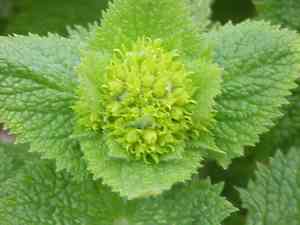
Distinguished by its towering inflorescences of compact yellow blossoms, Verbascum densiflorum thrives with the removal of faded flowers to encourage further flowering. Trimming withered flower stems down to their origin will deter spontaneous propagation and control expansion. Although Verbascum densiflorum can undergo pruning throughout the year, the most opportune period is after flowering to ready it for the subsequent cycle. This method sustains the plant's vitality and visual attractiveness. Consistent elimination of compromised or unattractive leaves will improve its general well-being and look.
What Are the Benefits of Pruning Dense-flowered Mullein?
What Are the Benefits of Pruning Dense-flowered Mullein?
Trimming dense-flowered mullein encourages new flower production, leading to an abundance of fresh blooms. It ensures dense-flowered mullein grows robustly and maintains its desired shape for improved garden aesthetics. Pruning is crucial for plant vitality and optimal display.
What Is the Best Time for Pruning Dense-flowered Mullein?
What Is the Best Time for Pruning Dense-flowered Mullein?
Pruning or trimming dense-flowered mullein from late winter to early spring is beneficial as it occurs just before the plant's new growth cycle begins. This timing allows gardeners to shape the plant and remove any dead or damaged tissue without hindering flower development. Removing old, non-flowering stalks can also stimulate new growth and abundant flowering. Since dense-flowered mullein has a biennial growth habit, pruning during this period ensures the plant's energy is directed towards producing healthy foliage in the first year and strong flowering stalks in the second year. Furthermore, pruning when the plant is dormant minimizes the risk of disease transmission and reduces plant stress.
What Tools Do I Need to Prune Dense-flowered Mullein?
Secateurs or hand pruners
Perfect for deadheading and removing spent flower stalks from dense-flowered mullein, ensuring clean cuts that promote the plant's health.
Pruning shears
Useful for shaping and managing the growth of dense-flowered mullein, as they offer precision and can handle its herbaceous stems.
Gardening gloves
Essential for protecting hands from dense-flowered mullein's rough leaves and potential skin irritants during pruning tasks.
Pruning saw
While generally not needed for dense-flowered mullein, a pruning saw can be used for cutting thicker, woodier stems if the plant has grown unchecked for several seasons.
How to Prune Dense-flowered Mullein
Preparation
Gather sharp, sanitized pruning shears or scissors, gloves, and suitable disposal bags for plant material.
Diseased material removal
Inspect dense-flowered mullein and carefully cut away any diseased leaves and branches, ensuring not to spread any potential disease to healthy areas.
Dead material removal
Remove withered leaves, dead branches, and any faded flowers from dense-flowered mullein to prevent decay and encourage healthy growth.
Clean cut
Make precise cuts close to the base of the affected parts without harming the main stem or healthy tissue of dense-flowered mullein.
Disposal
Properly dispose of all removed plant material far from healthy plants to prevent the spread of disease.
Common Pruning Mistakes with Dense-flowered Mullein
Over-pruning
Cutting back dense-flowered mullein too aggressively can stress the plant and hinder its natural growth. This species does not require extensive pruning.
Improper tool use
Using dull or unclean tools can damage the dense-flowered mullein's stems, making the plant susceptible to pests and diseases.
Indiscriminate cutting
Randomly cutting without understanding the growth habit of dense-flowered mullein can lead to undesirable plant shapes and may delay or reduce flowering.
Pruning live flower spikes
Removing live flower spikes before they have finished blooming can prevent dense-flowered mullein from self-seeding, if natural propagation is desired.
Common Pruning Tips for Dense-flowered Mullein
Health maintenance
Remove dead or diseased parts of dense-flowered mullein immediately upon discovery to maintain plant health and prevent disease spread.
Encourage bushiness
Prune young dense-flowered mullein by pinching out the tips of the main stems to promote a more compact plant.
Post-bloom care
Once dense-flowered mullein has finished flowering, cut back the flower stalks to the plant's base to maintain a neat appearance.
Thinning out
Thin out densely packed stems of dense-flowered mullein if necessary to improve air circulation and reduce the risk of fungal infections.
Seed control
If controlling the spread of dense-flowered mullein is desired, prune back flower spikes before the seeds fully mature and disperse.



