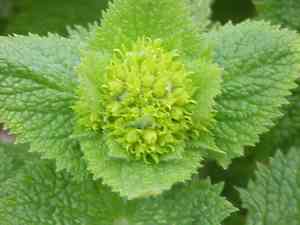
Dense-flowered mullein (Verbascum densiflorum)
Also known as: Great mullein
Comfrey (Symphytum spp.) is a biennial or perennial plant known for its rosette-forming leaves. It serves as a dynamic accumulator, pulling essential nutrients from deep within the soil and storing them in its roots. Unlike some other plants, comfrey needs sunlight to thrive and cannot grow in shaded areas.
In This Article
Attributes of Dense-flowered mullein
Lifespan
Biennial, Perennial
Plant Type
Herb
Plant Height
1.5 m
Spread
60 cm
Leaf Color
Green Silver Gray
Flower Size
2.5 cm to 5 cm
Flower Color
Yellow
Images of Dense-flowered mullein
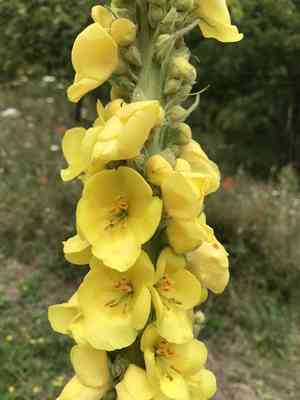
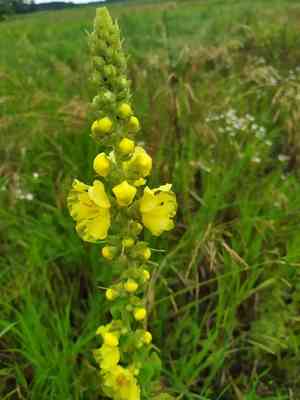
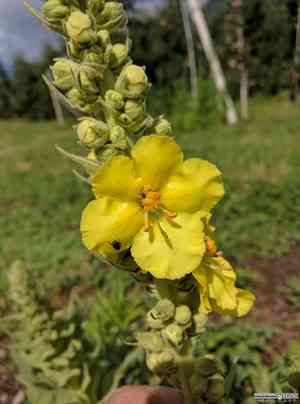

Quickly Identify Dense-flowered mullein
1
Look for tall spikes covered in yellow flowers and woolly, grey-green leaves. The plant can grow quite tall, up to 2 meters.
Scientific Classification of Dense-flowered mullein
Phylum
Vascular plants
Class
Dicotyledons
Order
Lamiales
Family
Figwort
Genus
Mullein
Species
Dense-flowered mullein
Planting and Growing of Dense-flowered mullein
Care Difficulty
Easy
Watering Schedule
Every 2 days
Sunlight Requirements
Full sun
Sunshine Duration
4-8 hours
Ideal Temperature
65-75℉
Soil Type
Potting Mix, Peat Mix
Soil pH
6.5-7.5
Fertilizer Type
Balanced
Pruning Season
Spring, Summer
Pruning Area
Branches, Leaves
Pruning Frequency
2 times a year
Repotting Season
Spring
Pot Type
Ceramic, Plastic
 How to Water Dense-flowered mullein?
For Verbascum densiflorum, water it with about 500 milliliters each time. Ensure the water reaches the roots but does not leave the soil waterlogged. The aim is to keep the soil slightly moist but not soggy. Proper drainage is vital to prevent root rot, so water should be just enough to maintain the moisture without pooling.
What are the symptoms of an underwatered Dense-flowered mullein?
›
What should I do if my Dense-flowered mullein is not getting enough water?
›
What are the symptoms of an overwatered Dense-flowered mullein?
›
How to save an overwatered Dense-flowered mullein?
›
 What Are the Sunlight Requirements for Dense-flowered mullein?
It favors full sun exposure for at least 6 to 8 hours daily. Adequate sunlight is vital for stimulating lush growth and production of numerous vibrant yellow flowers.
More About Sunlight Requirements Techniques→
What are Verbascum densiflorum's ideal light conditions?
›
How to ensure Verbascum densiflorum gets ideal sunlight?
›
What are the benefits of ideal sun exposure for Verbascum densiflorum?
›
 What Is the Ideal Temperature Range for Dense-flowered mullein?
The ideal temperature range for Verbascum densiflorum lies between 65°F and 75°F. This range enables optimal metabolic processes and enhances its growth rate. Planting in this range ensures healthy foliage and vibrant blooms.
 What Soil is Best for Dense-flowered mullein?
Verbascum densiflorum thrives in well-drained soil as it prevents waterlogging, which can lead to root rot. Ensuring good drainage allows roots to access oxygen efficiently, supporting robust growth and flowering. This plant prefers soil with moderate fertility. Overly rich soils can lead to excessive leaf growth at the expense of flowers. A balanced nutrient profile supports healthy blooms and overall plant strength. Light soil structures, such as sandy loam, enable easy root penetration and expansion. This promotes stable plant establishment and supports the plant's upright growth habit.
 How to Fertilize Dense-flowered mullein?
For Verbascum densiflorum, the fertilizer amount should be moderate. Typically, a well-balanced liquid fertilizer diluted to half-strength is ideal. Use approximately 1 to 2 teaspoons per gallon of water during the active growing season to ensure healthy growth.
 How to Prune Dense-flowered mullein?
Start by removing any dead or damaged leaves from the rosette during early spring. As the plant blooms, trim back spent flower stalks to encourage more blooms and maintain the plant's appearance. In autumn, after the plant has finished flowering, cut back any remaining stalks to ground level. This prevents seed setting and promotes healthy foliage growth the following year. After pruning, ensure the plant is well-watered but not overwatered, especially if there's prolonged dry weather. This helps the plant recover faster and supports new growth. Consider applying a light mulch to protect the roots during winter.
More About Pruning Techniques→
 How to Propagate Dense-flowered mullein plant?
1
Collect seeds from mature plants during late summer or early autumn. Ensure the seed capsules are dry and brown, indicating readiness for harvest.
2
Sow the seeds in a seed tray filled with potting mix. Lightly cover the seeds with a thin layer of soil and water gently to avoid displacement.
3
Keep the seed tray in a warm location with indirect sunlight. Regularly check for germination, typically occurring within 2 to 4 weeks. Maintain consistent moisture levels during this period.
 How to Repot Dense-flowered mullein plant?
1
Verbascum densiflorum needs repotting when its roots outgrow the current pot, visible through drainage holes. If water drainage becomes sluggish, or growth stagnates despite consistent care, these are indications it's time to consider repotting. Typically occurring every 2 to 3 years, optimal times align with signs of growth spurts in spring or summer.
2
Select a pot that’s one size larger than the current one to allow root expansion. Ensure it has sufficient drainage holes, as good drainage prevents root rot, a common issue with Verbascum densiflorum when soil becomes waterlogged. A terracotta pot is preferable, as it allows moisture to evaporate more easily, providing a breathable environment for the roots.
3
Opt for well-drained sandy soil, as Verbascum densiflorum thrives in a medium that replicates its natural habitat. This type of soil prevents water retention, crucial for avoiding root rot. Incorporating some organic matter can enhance nutrient content, promoting robust growth and vibrant flowering post-repotting.



