How to Prune Sharpleaf valerian?
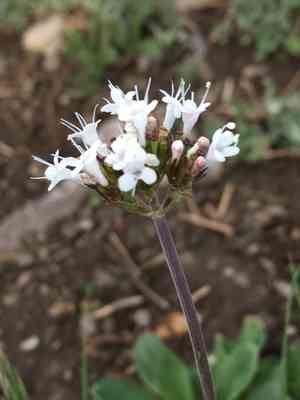
The Sharpleaf valerian is recognized by its uniquely pointed foliage. The most effective time for trimming is in late winter to early spring, prior to the emergence of fresh shoots. Remove any ailing or compromised stalks to encourage vigorous growth. Reduce the density of older stems to enhance air movement and light exposure, thereby cultivating a sturdy plant framework. Trimming additionally aids in controlling vertical growth and stimulating a greater abundance of blooms. Following these methods guarantees a more thriving and visually appealing garden plant.
What Are the Benefits of Pruning Sharpleaf Valerian?
What Are the Benefits of Pruning Sharpleaf Valerian?
Sharpleaf valerian benefits from trimming as it encourages robust development and helps maintain its form. Regular trimming fosters a strong structure, improves air circulation reducing pest and disease risk, and contributes to a more pleasing look.
What Is the Best Time for Pruning Sharpleaf Valerian?
What Is the Best Time for Pruning Sharpleaf Valerian?
Trimming sharpleaf valerian during late winter or early spring is considered ideal because this period coincides with the plant's dormancy, lessening stress and minimizing sap loss. Pruning at these times promotes vigorous growth during the subsequent active season and prepares the plant for abundant flowering in spring and summer. Additionally, pruning in early spring allows gardeners to remove any winter-damaged stems, fostering better air movement and overall plant vitality.
What Tools Do I Need to Prune Sharpleaf Valerian?
Hand pruners
Perfect for cutting small stems and branches, typically under 1/2 inch in diameter. They offer precision and ease of use for detailed tasks.
Pruning scissors
Useful for removing spent flowers and trimming delicate stems. Suitable for maintaining the overall shape and health of sharpleaf valerian.
Bypass pruners
These feature a scissor-like action that is excellent for live wood and allows for clean cuts, minimizing harm to sharpleaf valerian.
Hedge shears
Best for shaping and trimming larger, dense areas of sharpleaf valerian. Effective for maintaining a neat appearance and promoting healthy growth.
How to Prune Sharpleaf Valerian
Identify
Carefully examine sharpleaf valerian for any indications of diseased or withered foliage. Look for discoloration, spots, or wilting.
Prepare tools
Use sanitized, sharp pruning shears to prevent transmitting diseases and to make clean cuts.
Remove diseased leaves
Cut off diseased leaves at their base where they connect to the stem. Dispose of these leaves away from the garden to prevent disease spread.
Remove withered leaves
Trim withered leaves close to the plant's main stem. Ensure you remove the entire leaf to prevent it from draining energy from the plant.
Aftercare
Monitor sharpleaf valerian regularly for new signs of disease or wilting and repeat the pruning process as needed. Ensure proper care and adequate hydration to promote recovery.
Common Pruning Mistakes with Sharpleaf Valerian
Improper technique
Many gardeners use dull or unsuitable tools which can cause jagged cuts and damage to sharpleaf valerian. It is crucial to use sharp, clean pruning shears to make precise cuts.
Too much pruning
Excessive pruning can stress sharpleaf valerian by removing too much foliage and can reduce its ability to photosynthesize. Avoid removing more than one-third of the plant at a time.
Pruning at the wrong point
Cutting sharpleaf valerian too close to the main stem or leaving stubs can expose the plant to diseases and pests. Always prune just above a leaf node or branching point.
Common Pruning Tips for Sharpleaf Valerian
Use the right tools
Always use sharp, clean pruning shears for precise cuts. This reduces the risk of damaging sharpleaf valerian and spreading disease.
Cut at an angle
When pruning sharpleaf valerian, make cuts at a 45-degree angle just above a leaf node. This encourages new growth and prevents water from accumulating on the cut surface.
Removal of dead or diseased parts
Regularly check sharpleaf valerian for any dead, diseased, or damaged stems and remove them promptly. This helps the plant focus its energy on healthy growth and reduces the risk of disease spreading.
Encourage air circulation
Thin out crowded branches in sharpleaf valerian to improve air circulation within the plant. This helps prevent fungal infections and promotes overall plant health.
Minimal pruning for younger plants
For younger sharpleaf valerian plants, perform minimal pruning to allow them to establish strong root systems. Focus on removing only dead or damaged stems and minor shaping.



