How to Propagate Sharpleaf valerian?
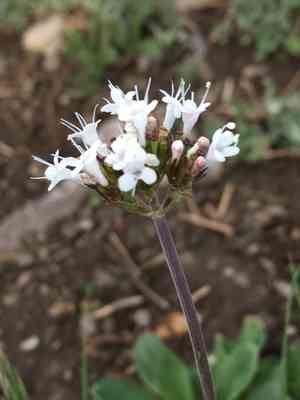
Sharpleaf valerian, characterized by its pointed foliage, is a member of the Valerianaceae family. To achieve the best propagation results, plant seeds in a substrate that drains efficiently, applying a thin layer of compost as a light covering. Sustaining consistent soil moisture is crucial for encouraging seed sprouting and the early development of young plants. Once the plants are rooted, thin them out to foster robust development and proper spacing. This technique significantly improves the successful raising of sharpleaf valerian.
Optimal Period for Sharpleaf Valerian Propagation
Propagation Method
Seeding
Propagation Season
Spring
Equipment for Sharpleaf Valerian Propagation
Seed tray
A seed tray offers a controlled setting for sowing seeds and nurturing them into young plants. It ensures consistent moisture and simplifies seedling management.
Seed compost
Specialized seed compost provides the ideal balance of drainage and nutrients for sharpleaf valerian seed germination and initial development, boosting seedling strength and vitality.
Misting bottle
A misting bottle is crucial for keeping the seedbed moist. Gentle misting hydrates the compost without dislodging seeds, preventing dryness and ensuring uniform germination.
Humidity dome
A humidity dome placed over the seed tray traps moisture and warmth, creating an optimal microclimate for seed germination. This is especially helpful for maintaining the high humidity levels sharpleaf valerian seeds require.
Heating mat
A heating mat positioned beneath the seed tray can supply steady bottom heat, accelerating germination by maintaining an ideal temperature for sharpleaf valerian seedlings.
Plant labels
Plant labels assist in tracking different sown seeds, ensuring each section of the seed tray is correctly identified. Accurate labeling is vital for managing plant care and propagation records.
Small trowel
A small trowel is useful for handling and relocating delicate seedlings from the seed tray to individual pots or garden beds, minimizing root disturbance and encouraging healthier transplant growth.
Fine siever
Using a fine siever to lightly cover sown seeds with compost ensures even distribution, protecting the seeds while allowing light to pass through if needed for sharpleaf valerian germination.
How to Propagate Sharpleaf Valerian?
Propagation Type
Easy
Post-Propagation Care for Sharpleaf Valerian
Post-Propagation Care for Sharpleaf Valerian
Once sharpleaf valerian seedlings have emerged and reached a suitable size, typically with a few true leaves, transfer them to individual containers or their permanent outdoor spot. Choose a location with partial shade. Keep the soil consistently moist but well-drained, avoiding complete drying between waterings. Apply mulch around the base to retain moisture and control weeds. During the growing season, lightly fertilize with a balanced, water-soluble feed to encourage robust development.
Common Errors to Avoid When Propagating Sharpleaf Valerian
Over-watering
Excessive moisture can lead to root rot, which is harmful to the health and successful propagation of sharpleaf valerian.
Under-watering
Insufficient water can cause the plant to dehydrate rapidly, resulting in poor establishment and growth.
Incorrect soil type
Using soil that lacks proper drainage can hinder root development and cause waterlogging.
Inadequate light
Placing sharpleaf valerian in low-light conditions can lead to weak, elongated growth or propagation failure.
Improper handling of cuttings
Damaging the cuttings during preparation can reduce their viability.
Advice for Propagating Sharpleaf Valerian
Use well-draining soil
Ensure the soil mixture has good drainage properties to prevent waterlogging and promote healthy root development.
Correct watering
Maintain consistent moisture without saturating the soil. Allow the top layer to dry slightly between waterings.
Adequate light
Position sharpleaf valerian in an area with bright, indirect light to support vigorous growth and successful propagation.
Clean cuts
Use sterilized tools to make precise cuts on the plant to minimize damage and reduce the risk of infection.
Humidity control
Maintain a humid environment around the cuttings to prevent desiccation, using methods like a humidity dome or regular misting.



