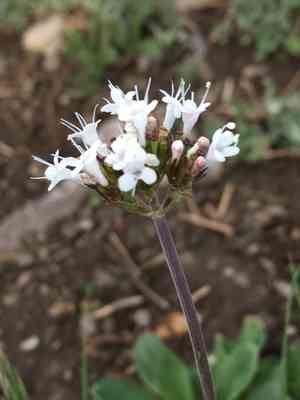
Sharpleaf valerian (Valeriana acutiloba)
Also known as: Valerian, Spikenard
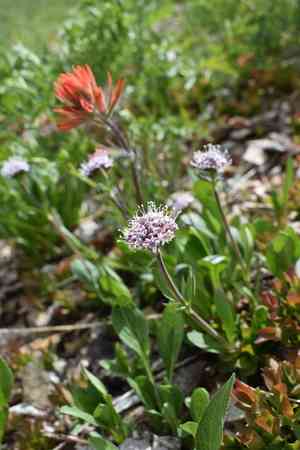
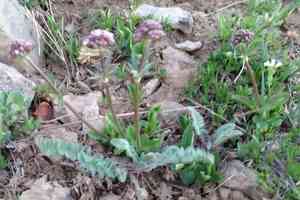
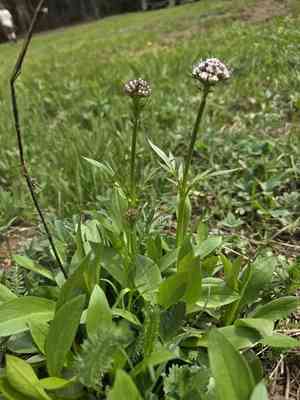
The sharpleaf valerian is a perennial herb that produces clusters of small, white or pale pink blooms. These flowers typically appear from late spring through early summer. The plant has deeply lobed, lance-shaped leaves and grows well in moist woodland and meadow environments, often reaching heights of up to 2 meters. Its roots have a notable scent, which has historically been used in herbal medicine.
In This Article
Attributes of Sharpleaf valerian
Lifespan
Perennial
Plant Type
Herb
Plant Height
30-50 cm
Spread
10-30 cm
Leaf Color
Green
Flower Size
0.2-0.3 cm
Flower Color
White or pink
Images of Sharpleaf valerian
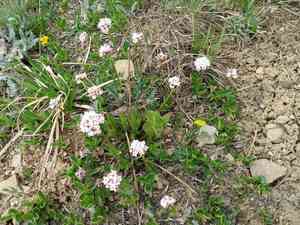
Quickly Identify Sharpleaf valerian
1
Look for a perennial herb that has finely toothed palmate leaves, tubular white or pink flowers in dense clusters, and a characteristic pungent aroma.
Scientific Classification of Sharpleaf valerian
Phylum
Vascular plants
Class
Dicotyledons
Order
Dipsacales
Family
Honeysuckle
Genus
Valeriana
Species
Sharpleaf valerian
Planting and Growing of Sharpleaf valerian
Care Difficulty
Moderate
Watering Schedule
Every 3 days
Sunlight Requirements
Partial sun
Sunshine Duration
10-12 hours
Ideal Temperature
60-75℉
Soil Type
Potting Mix, Peat Mix
Soil pH
6.5-7.5
Fertilizer Type
Balanced
Pruning Season
Spring, Summer
Pruning Area
Branches, Leaves
Pruning Frequency
2 times a year
Repotting Season
Spring
Pot Type
Plastic, Ceramic
 How to Water Sharpleaf valerian?
Valeriana acutiloba prefers soil that is consistently moist but not waterlogged. Water thoroughly until you see a bit of excess water draining from the pot's bottom, indicating the soil is adequately saturated without being oversaturated.
What are the symptoms of an underwatered Sharpleaf valerian?
›
What should I do if my Sharpleaf valerian is not getting enough water?
›
What are the symptoms of an overwatered Sharpleaf valerian?
›
How to save an overwatered Sharpleaf valerian?
›
 What Are the Sunlight Requirements for Sharpleaf valerian?
Partial sunlight provides Valeriana acutiloba the perfect blend of brightness and protection. This range ensures the plant gains enough energy through photosynthesis while minimizing heat stress, leading to healthier growth and increased flower production.
Best Lighting Environment
›
Solution for Ideal Light
›
Benefits of Ideal Light
›
 What Is the Ideal Temperature Range for Sharpleaf valerian?
The ideal temperature range for Valeriana acutiloba is between 60°F to 75°F. This temperature range fosters optimal growth as it mimics the plant's natural habitat. Maintaining temperatures within this range ensures healthy foliage and proper root development, contributing to a more robust plant. Temperatures above or below this can cause stress or inhibit growth, so it's important to regularly monitor and adjust the environment accordingly.
 What Soil is Best for Sharpleaf valerian?
Valeriana acutiloba thrives in well-draining soil to prevent root rot, a common issue in overly moist conditions. This ensures healthy root development and maximizes nutrient uptake, leading to a robust and flourishing plant. It requires a nutrient-dense soil that supports its vigorous growth and offers essential minerals needed for its intense development and flowering phases. This gives the plant the energy and resources to produce its beautiful blooms and maintain healthy foliage. Soil with moderate moisture retention helps maintain a balanced hydration level, providing enough water for the plant without causing waterlogging. This supports consistent growth and keeps the plant hydrated during dry spells without risk of fungal diseases.
 How to Fertilize Sharpleaf valerian?
When it comes to fertilizing Valeriana acutiloba, use a balanced 10-10-10 NPK liquid fertilizer at a rate of one tablespoon per gallon. Be cautious not to over-fertilize, as this can harm the plant. It's important to incorporate the fertilizer thoroughly into the water before application to ensure even distribution around the plant's roots.
 How to Prune Sharpleaf valerian?
Begin by removing any dead, damaged, or diseased stems to prevent the spread of infection and to encourage healthy growth. Trim back long and leggy stems to encourage a fuller shape. Aim to cut just above a node or leaf set to stimulate branching. Ensure not to remove more than one-third of the plant at a time. Over-pruning can stress Valeriana acutiloba and reduce its blooming potential.
More About Pruning Techniques→
 How to Propagate Sharpleaf valerian plant?
1
Collect seeds from mature Valeriana acutiloba plants. Soak them in water for 24 hours to encourage germination. After soaking, place seeds on moist seed trays and lightly cover them with soil.
2
In spring or early summer, select healthy stems about 4-6 inches long. Use pruning shears to cut just below a set of leaves, remove the lower leaves, and dip the cut end in rooting hormone before planting it in moist potting soil.
3
During autumn, carefully dig up the plant, ensuring to preserve as much of the root system as possible. Gently separate the root ball into smaller sections, each with its own shoots and roots, and replant them in desired locations.
 How to Repot Sharpleaf valerian plant?
1
Observe your Valeriana acutiloba for signs like roots growing out of the drainage holes or the soil drying out too quickly. These indicators suggest it's time for new accommodations. Spring or autumn are ideal for repotting as the plant's growth cycle is less vigorous, minimizing stress during transfer.
2
Choose a pot that is one to two sizes larger than the current one, ensuring it has good drainage holes. This prevents waterlogging, promoting healthy root oxygenation and preventing rot. Opt for terracotta or ceramic pots, as these materials are breathable and help moderate soil temperature fluctuations.
3
Select a well-draining and nutrient-rich soil mixture, preferably one enriched with organic matter. A light soil structure supports aeration while retaining adequate moisture. Such a mix supplies essential nutrients, ensuring robust plant growth and vitality post-repotting.
Learn More About Sharpleaf valerian Diseases
Anthracnose
Bacterial Leaf Spot
Bacterial Soft Rot
Bacterial Wilt
Crown Gall
Cyst Nematode
Damping-off
Downy Mildew
Fusarium Wilt
Gray Mold
Leaf Spot
Mosaic
Powdery Mildew
Root Rot
Root-knot Nematode
Rusts
Sooty Mold
White Mold
Chemical Injury
Drought Stress
Nutrient Deficiency
Nutrient Toxicity
Spider Mites
Temperature Stress
Thrips Damage



