How to Prune Whitethorn Acacia?
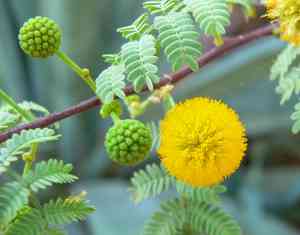
This spiky bush, recognized for its fluffy white blossoms and delicate, fern-like leaves, thrives in dry environments. For whitethorn Acacia, undertake trimming in the initial part of spring or the latter part of winter to preserve its form and foster robust development. Eliminate any lifeless or compromised branches, reduce crowded sections to improve air movement, and shorten main stems to encourage a more compact, bushy appearance. Trimming also stimulates flowering and diminishes the likelihood of pest problems. These methods are perfect for cultivators, guaranteeing a lively, thriving whitethorn Acacia.
What Are the Benefits of Pruning Whitethorn Acacia?
What Are the Benefits of Pruning Whitethorn Acacia?
Trimming whitethorn Acacia promotes robust development and helps maintain its desired form. Strategic cuts can stimulate new, healthy branches, enhancing the plant's natural shape.
What Is the Best Time for Pruning Whitethorn Acacia?
What Is the Best Time for Pruning Whitethorn Acacia?
The optimal period for pruning whitethorn Acacia is late winter to early spring, preceding its natural growth cycle. During late winter, the plant is typically dormant, reducing stress and enabling stronger regrowth when active growth begins in spring. Pruning at this time minimizes disease and insect damage, as pests are less active and open wounds heal faster. Early spring pruning, just before new growth, directs the plant's energy to developing new, healthy branches and leaves instead of sustaining old or dead material. This timing also allows gardeners to shape the plant and remove winter frost damage, preparing whitethorn Acacia for vigorous growth and a healthy structure for the upcoming season. This timing also avoids disrupting the flowering cycle, as whitethorn Acacia generally blooms later in spring, after pruning. Gardeners should avoid pruning during active growth, as this can stunt the plant and lead to less vigorous flowering and fruiting.
What Tools Do I Need to Prune Whitethorn Acacia?
Hand pruners
These are crucial for making clean cuts on small branches of whitethorn Acacia. They allow for precision and minimal plant damage.
Loppers
Perfect for cutting thicker branches that hand pruners cannot manage, loppers offer leverage and reach for branches up to 1.5 inches in diameter.
Pruning saw
For the thickest branches of whitethorn Acacia that exceed lopper capacity, a pruning saw ensures clean cuts without undue stress to larger limbs.
Gloves
Given whitethorn Acacia's thorns, heavy-duty gloves are necessary to protect the gardener's hands during the pruning process.
Long sleeves
Wearing long-sleeved clothing helps shield skin from thorns, making whitethorn Acacia pruning safer and more comfortable.
How to Prune Whitethorn Acacia
Clean tools
Sterilize pruning shears and saws before starting to prevent disease spread to whitethorn Acacia.
Remove diseased parts
First, prune away any diseased leaves and branches from whitethorn Acacia, cutting back to healthy wood, to prevent disease spread.
Cut withered leaves
Trim off withered leaves to encourage new growth, making clean cuts close to the main stem of whitethorn Acacia.
Eliminate dead branches
Remove dead branches, cutting at a slight angle just above a healthy bud or lateral branch to promote healing and prevent water accumulation on whitethorn Acacia.
Disinfect after
Clean and sterilize tools after pruning whitethorn Acacia to prevent transferring potential pathogens to other plants or back to whitethorn Acacia during the next pruning session.
Common Pruning Mistakes with Whitethorn Acacia
Over-pruning
Removing too much from whitethorn Acacia at once can stress the plant, making it susceptible to disease and pests. It's vital to prune no more than one-third of the plant in a single session.
Improper tool use
Using dull or dirty pruning tools on whitethorn Acacia can create jagged cuts more prone to infection and disease. Always use sharp, clean shears.
Neglecting to remove dead material
Failing to clear away dead or diseased branches from whitethorn Acacia can impede its growth and create a breeding ground for pests and disease.
Making flush cuts
Cutting branches too close to the trunk (flush cuts) can damage whitethorn Acacia's collar (where the branch meets the trunk), hindering proper healing and regrowth.
Ignoring branch structure
Pruning without considering the natural shape and branch hierarchy of whitethorn Acacia can result in an unbalanced and weakened structure.
Topping
Cutting off the top of whitethorn Acacia to reduce its height (known as 'topping') can lead to weak new growth, increased susceptibility to pests and diseases, and overall poor health.
Common Pruning Tips for Whitethorn Acacia
Selective thinning
Focus on removing specific branches and twigs to improve whitethorn Acacia's structure without harming its health. Target only crossing or rubbing branches, as well as any dead, weak, or diseased ones.
Correct cutting angle
Make cuts at a 45-degree angle, a few millimeters above outward-facing buds, to promote healthy regrowth in whitethorn Acacia and allow water to drain from the cut surface.
Seasonal awareness
Although timing is not to be addressed, understanding whitethorn Acacia's growth cycle is essential for knowing when the plant best tolerates pruning, even when not specifically considering the season.
Cutting larger branches
When removing larger branches from whitethorn Acacia, make a cut underneath the branch before cutting through from the top to prevent bark from tearing.
Encouraging flowering
To maximize flowering in whitethorn Acacia, prune immediately after blooming to avoid cutting off developing buds.
Consider the plant's age
Young whitethorn Acacia can be pruned more heavily to establish a strong structure, while mature plants should be pruned less aggressively to maintain their shape and vigor.
Cleanliness and care
Sanitize tools before and after pruning whitethorn Acacia to prevent disease spread and clean up all pruning debris around the plant.



