How to Propagate Whitethorn Acacia?
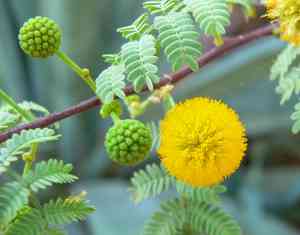
Effective propagation of Whitethorn Acacia is achieved via cuttings. Choose robust, unblemished branches for this procedure. Verify that cuttings possess multiple nodes to optimize prospective root formation. Utilize sanitized, keen implements for taking cuttings to avert harm and infection. Following the cut, immerse the ends in rooting compound to stimulate root development and embed them in porous soil, preserving sufficient dampness until roots are firmly established.
What Is the Best Time To Propagate Whitethorn Acacia?
Propagation Type
Cutting
Propagation Season
Autumn,Winter
What Tools Are Used in Whitethorn Acacia Propagation?
Sharp Pruning Shears
These are crucial for taking cuttings from whitethorn Acacia, enabling precise and clean cuts. Sharp blades help minimize potential harm to the parent plant and the cuttings, boosting the likelihood of successful rooting. The shears are especially useful for whitethorn Acacia as they can easily handle the woody stems characteristic of this species.
Rooting Hormone Powder
This encourages root formation and boosts the success rate of cuttings taken from whitethorn Acacia. Applying rooting hormone to the cut base of the cuttings aids in stimulating root growth, which is vital for the establishment of new whitethorn Acacia plants. The use of a high-quality rooting hormone is particularly important for hardwood plants like whitethorn Acacia, which might otherwise root more slowly or with difficulty.
Sterilization Equipment (Alcohol or Bleach Solution)
Used to sanitize cutting tools before and after taking cuttings of whitethorn Acacia to prevent disease spread. This is important as whitethorn Acacia, like many woody plants, is vulnerable to infections through wounds made during the cutting process. Ensuring all tools are clean supports the health and viability of both the parent and propagated plants.
Propagation Tray and Dome
To create an optimal micro-environment for rooting whitethorn Acacia cuttings. A propagation tray paired with a dome helps maintain consistent humidity and temperature, which are critical for the rooting process. This setup protects the delicate cuttings of whitethorn Acacia from environmental stressors, facilitating better growth conditions and successful plant establishment.
How to Propagate Whitethorn Acacia?
Propagation Type
Moderately Difficult
How to Care for Your Newly Propagated Whitethorn Acacia?
How to Care for Your Newly Propagated Whitethorn Acacia?
Once established, whitethorn Acacia is relatively drought-tolerant but will benefit from consistent watering during prolonged dry spells. Provide ample sunlight and well-draining soil to encourage robust growth. Annual trimming may be necessary to maintain a desired form and to stimulate new growth. Monitor for pests and diseases, though whitethorn Acacia is typically resistant to most common threats. Fertilization is not generally required but can be applied sparingly if growth appears stunted.
Common Mistakes to Avoid When Propagating Whitethorn Acacia
Overwatering
Excessive watering can lead to root rot in whitethorn Acacia, whose roots are adapted to dry conditions. This condition is harmful as it hinders healthy root development and jeopardizes overall plant survival.
Deep planting
Planting whitethorn Acacia seeds or cuttings too deeply can impede proper germination and growth. Insufficient light exposure will negatively impact the energy available for the young plant to establish itself.
Ignoring pest control
Neglecting pest management during the propagation of whitethorn Acacia can result in significant damage from rabbits, deer, or insects. These pests can consume or harm the young shoots, severely impacting the propagation success.
Tips For Propagating Whitethorn Acacia
Use well-draining soil
Choose a sandy, well-draining soil mix when propagating whitethorn Acacia. This ensures that excess moisture quickly drains away, reducing the risk of root diseases and providing a favorable environment for root growth.
Proper seed scarification
Before sowing, perform scarification on whitethorn Acacia seeds to enhance germination rates. This process involves lightly damaging the seed coat to allow moisture and air to penetrate, stimulating the seed to sprout.
Provide sufficient light
Ensure whitethorn Acacia seedlings or cuttings receive adequate sunlight, particularly during the crucial early stages of growth. Adequate sunlight is essential for photosynthesis and overall health of the plant.



