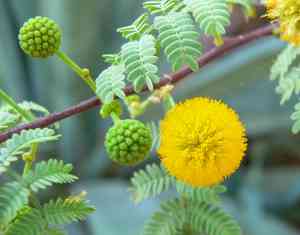
Whitethorn Acacia (Vachellia constricta)
Also known as: Mescat Acacia, Twinthorn Acacia, Whitethorn, Chaparro Prieto, All-thorn acacia mescat
The Texas Ranger, scientifically known as Leucophyllum frutescens, is a native shrubby tree found in the southwestern United States and Mexico. It is frequently utilized in native desert landscapes and cultivated as an ornamental hedge due to its resilience to drought and appealing silvery leaves.
In This Article
Attributes of Whitethorn Acacia
Lifespan
Perennial
Plant Type
Shrub
Plant Height
2 m to 6 m
Spread
2.5 m to 3 m
Leaf Color
Green
Flower Size
1 cm
Flower Color
Yellow
Images of Whitethorn Acacia
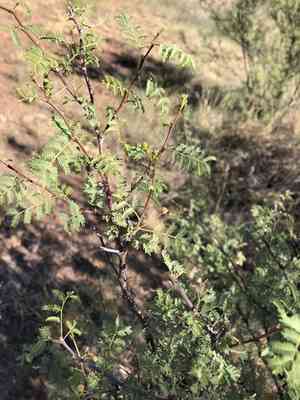
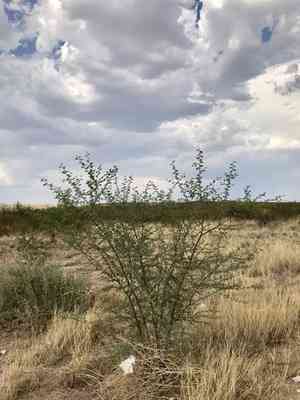
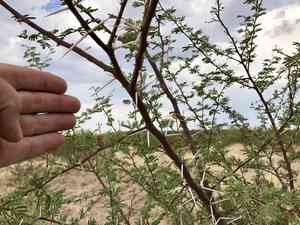
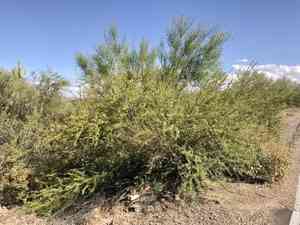
Quickly Identify Whitethorn Acacia
1
Identify Vachellia constricta by its small bipinnate leaves, thorny branches, and bright yellow spherical flower clusters. The flowers bloom mainly in the spring and summer.
Scientific Classification of Whitethorn Acacia
Phylum
Vascular plants
Class
Dicotyledons
Order
Fabales
Family
Legume
Genus
Thorn trees
Species
Whitethorn Acacia
Planting and Growing of Whitethorn Acacia
Care Difficulty
Easy
Watering Schedule
Every 2 days
Sunlight Requirements
Full sun
Sunshine Duration
4-8 hours
Ideal Temperature
65-85℉
Soil Type
Potting Mix, Peat Mix
Soil pH
6.5-7.5
Fertilizer Type
Balanced
Pruning Season
Spring, Summer
Pruning Area
Branches, Leaves
Pruning Frequency
2 times a year
Repotting Season
Spring
Pot Type
Plastic, Ceramic
 How to Water Whitethorn Acacia?
The watering amount for Vachellia constricta should be around 200 milliliters per session. This plant prefers dry conditions, resembling its native desert habitat. Ensure that the soil dries out between watering sessions, allowing the roots to breathe and preventing root rot. It’s crucial to water deeply but infrequently, so the water reaches the deeper roots.
What are the symptoms of an underwatered Whitethorn Acacia?
›
What should I do if my Whitethorn Acacia is not getting enough water?
›
What are the symptoms of an overwatered Whitethorn Acacia?
›
How to save an overwatered Whitethorn Acacia?
›
 What Are the Sunlight Requirements for Whitethorn Acacia?
Vachellia constricta should ideally receive full sun throughout the day. Direct sunlight is paramount for photosynthesis, aiding in the development of robust branches and vibrant leaf color, contributing to healthy growth and a well-balanced plant form.
More About Sunlight Requirements Techniques→
Optimal Sunlight Exposure
›
Problem Solving for Shade
›
Beneficial Effects of Proper Sunlight
›
 What Is the Ideal Temperature Range for Whitethorn Acacia?
The ideal temperature range for Vachellia constricta is between 65°F and 85°F. This range ensures optimal growth and health for the plant, mimicking its native arid and semi-arid environments in regions such as the desert Southwest of the United States and northern Mexico.
 What Soil is Best for Whitethorn Acacia?
Vachellia constricta thrives in well-drained soils, as it helps prevent root rot by allowing excess water to flow away. This enhances the plant's health and promotes vigorous growth. While Vachellia constricta can tolerate poorer soils, ensuring a nutrient-rich environment can significantly enhance its flowering and seed production, contributing to biodiversity and its role in the ecosystem. The soil should hold enough moisture to support Vachellia constricta during dry spells, yet not retain too much water that could lead to root diseases. This balance is crucial for the plant's survival in arid regions.
 How to Fertilize Whitethorn Acacia?
For Vachellia constricta, the ideal fertilizer application involves moderate amounts. Use a balanced liquid fertilizer at a rate specified for native or low-water plants. Typically, this means using one tablespoon per gallon of water for liquid feedings.
 How to Prune Whitethorn Acacia?
Begin by thoroughly inspecting your Vachellia constricta. Look for any dead, diseased, or damaged branches that may affect its health. Pruning is essential to remove these sections and redirect the plant's energy to healthier parts. Utilize clean and sharp pruning shears to ensure precise cuts. Clean cuts aid in quicker healing and reduce the chance of infection. For larger branches, a pruning saw may be necessary. Trim the branches by cutting at a 45-degree angle just above the node to promote new growth. Ensure you do not cut too deeply, as this can cause damage or leave the plant more susceptible to disease. Focus on shaping the crown of the Vachellia constricta to maintain its attractive form. Trim back branches that disrupt the natural symmetry of the plant while allowing the tree to maintain its characteristic open shape.
More About Pruning Techniques→
 How to Propagate Whitethorn Acacia plant?
1
Collect seeds from mature Vachellia constricta pods when they turn brown and dry. Ensure the seeds are fully developed and dry them in a cool, dark place before planting to ensure viability.
2
Select healthy Vachellia constricta stems and cut a 4-6 inch section just below a node. Remove the lower leaves to reduce moisture loss and encourage root development.
3
Sow Vachellia constricta seeds in a seed tray filled with a well-draining mix. Cover them lightly with soil and maintain a warm, humid environment to promote germination.
 How to Repot Whitethorn Acacia plant?
1
Repot your Vachellia constricta when you notice that the roots are growing through the drainage holes, indicating that the plant has outgrown its current pot. Another sign is when you observe that the plant's growth has slowed significantly, despite receiving adequate care. Additionally, yellowing leaves can be a sign of nutrient deficiency due to cramped roots in the current pot.
2
Select a pot that is about 2 inches larger in diameter than the current pot. Ensure it has adequate drainage holes to prevent waterlogging, which can lead to root rot. A terracotta pot is an excellent choice as it is porous and allows the soil to dry out between waterings, mimicking the arid conditions that Vachellia constricta thrives in.
3
Opt for a well-draining sandy soil as it is essential for preventing water retention around the roots. This type of soil mimics the plant's natural habitat and helps prevent problems such as root rot. Incorporating grit or perlite can further enhance drainage and aeration, promoting healthy root development.
Learn More About Whitethorn Acacia Diseases
Anthracnose
Bacterial Leaf Spot
Bacterial Wilt
Black Spot
Chemical Injury
Crown Gall
Cyst Nematode
Damping-off
Drought Stress
Fusarium Wilt
Gray Mold
Leaf Curl
Leaf Spot
Mosaic
Nutrient Deficiency
Nutrient Toxicity
Powdery Mildew
Root Rot
Root-knot Nematode
Rusts
Sooty Mold
Spider Mites
Temperature Stress
Thrips Damage
White Mold



