How to Prune Roman cassie?
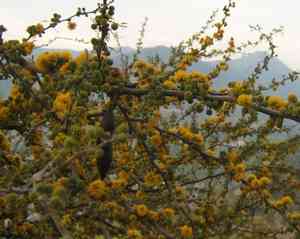
Recognized for its spiky stems and aromatic yellow blossoms, roman cassie thrives with trimming in the initial part of spring or the latter part of winter. Concentrate on eliminating lifeless, ailing, or intersecting branches to foster robust development and adequate airflow. Sculpting is crucial to prevent an unruly form. Consistent, gentle trimming aids in preserving its shape and stimulates a greater abundance of flowers. Trimming subsequent to blooming assists in upholding its aesthetic appeal. Always employ sanitized, keen implements to avert pathogens.
What Are the Benefits of Pruning Roman Cassie?
What Are the Benefits of Pruning Roman Cassie?
Roman cassie thrives with pruning, which encourages robust development and maintains its form. Regular trimming helps manage its size, eliminates dead or diseased limbs, and stimulates new blooms. Proper pruning also enhances air flow, decreasing the likelihood of pests and illnesses.
What Is the Best Time for Pruning Roman Cassie?
What Is the Best Time for Pruning Roman Cassie?
Trimming roman cassie in early spring and late winter is optimal as these periods precede the plant's active growth phase. Pruning at these times helps stimulate vigorous new growth as the plant enters its growing season. Additionally, pruning before new growth emerges reduces disease transmission risk and allows for better air circulation and sunlight penetration, vital for the plant's overall health and flowering. These seasons are also preferred because the plant is typically dormant, minimizing stress and potential damage from pruning.
What Tools Do I Need to Prune Roman Cassie?
Bypass Pruners
Perfect for making clean cuts on smaller branches and twigs. They are effective for routine trimming of roman cassie to maintain shape and encourage healthy growth.
Loppers
Useful for thicker branches that are too large for bypass pruners but still accessible. The long handles provide leverage, making it easier to cut through tough branches of roman cassie.
Pruning Saw
Essential for cutting larger branches that cannot be managed with loppers. A curved pruning saw can help you make precise cuts on the dense wood of roman cassie.
Gloves
Crucial for protecting hands from the thorns commonly found on roman cassie. High-quality gardening gloves will prevent injuries during pruning.
Protective Eyewear
Important to shield eyes from debris and thorns when pruning roman cassie, especially since it is a spiny plant.
How to Prune Roman Cassie
Inspection
Carefully examine roman cassie to identify dead and diseased branches. Clearly mark these branches for removal.
Clean tools
Clean and sanitize your pruning tools to prevent disease spread. Use a solution of one part bleach to nine parts water.
Remove dead branches
Cut dead branches back to the main trunk or to a healthy outward-facing node. Use a sharp, clean pruning saw or secateurs for a clean cut.
Remove diseased branches
Prune diseased branches back to healthy wood, making cuts several inches below the affected area. Dispose of these branches properly to prevent reinfection.
Final check
Inspect roman cassie again to ensure all dead and diseased branches have been removed. Clean your tools with the bleach solution after finishing the task.
Common Pruning Mistakes with Roman Cassie
Improper Cutting Techniques
Using dull or unsuitable tools can harm the plant by creating jagged cuts that heal slowly and are more prone to disease.
Over-Pruning
Removing too much foliage at once can stress the plant, potentially hindering its growth and reducing its resilience.
Pruning at the Wrong Nodes
Cutting above a leaf node instead of below can impede new growth and affect the plant's overall shape and health.
Ignoring Natural Shape
Pruning without considering the plant's inherent form can result in a misshapen and aesthetically unappealing plant.
Failing to Sanitize Tools
Not cleaning pruning tools between cuts can spread diseases from one part of the plant to another, and between different plants.
Common Pruning Tips for Roman Cassie
Use Sharp and Clean Tools
Ensure your pruning shears are sharp and sanitized before making any cuts. This minimizes damage and the risk of infection.
Follow the 3-Cut Rule
For thicker branches, make a small undercut first, followed by a top cut further out to remove the bulk of the branch. Finally, make a clean, final cut close to the trunk or main branch.
Prune for Ventilation
Focus on removing dead or overcrowded branches to improve air circulation within the plant, which can help prevent fungal infections.
Encourage Balanced Growth
Trim to maintain a balanced shape, ensuring that light can reach the inner branches. This promotes an even distribution of nutrients.
Minor Adjustments Annually
Regular minor pruning each year is better than infrequent, heavy pruning. It helps maintain the plant’s health and appearance without causing undue stress.



