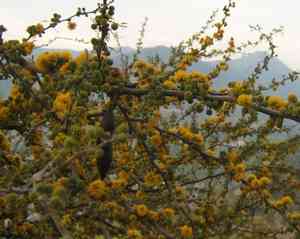
Roman cassie (Vachellia caven)
Also known as: Espinillo, Aromito, Covin
Roman cassie is favored as an ornamental tree because its vibrant yellow flowers bloom in spring, adding a splash of color to landscapes. Its dense, compact growth makes it an excellent choice for hedges. This tree thrives in well-drained soils and is highly attractive to bees, which are drawn to its flowers for honey production.
In This Article
Attributes of Roman cassie
Lifespan
Perennial
Plant Type
Tree, Shrub
Plant Height
3 to 5 meters
Spread
4 to 6 meters
Leaf Color
Green
Flower Size
1 to 2 cm
Flower Color
Bright yellow
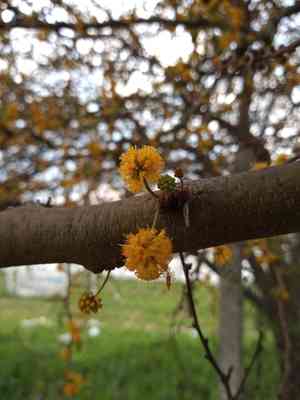
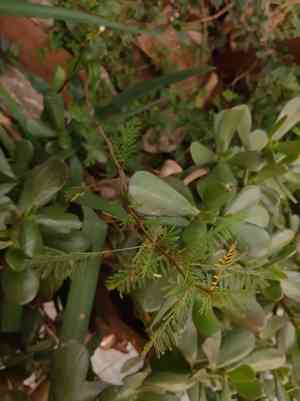
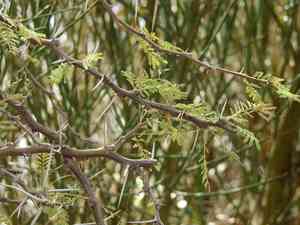
Images of Roman cassie
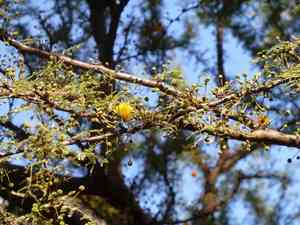
Quickly Identify Roman cassie
1
Look for thorny branches, small bipinnate leaves, and bright yellow spherical flower heads. Often found in open fields and along roadsides.
Scientific Classification of Roman cassie
Phylum
Vascular plants
Class
Dicotyledons
Order
Fabales
Family
Legume
Genus
Thorn trees
Species
Roman cassie
Planting and Growing of Roman cassie
Care Difficulty
Moderate
Watering Schedule
Every 2 days
Sunlight Requirements
Full sun
Sunshine Duration
6-10 hours
Ideal Temperature
68-86℉
Soil Type
Potting Mix, Peat Mix
Soil pH
6.5-8
Fertilizer Type
Balanced
Pruning Season
Spring, Summer
Pruning Area
Branches, Leaves
Pruning Frequency
Once a year
Repotting Season
Spring
Pot Type
Plastic, Ceramic
 How to Water Roman cassie?
Vachellia caven needs a moderate watering approach. When watering, ensure that the soil is thoroughly moistened but not waterlogged. Water until you see excess coming out of the drainage holes, typically around 500ml, allowing the soil to dry out between sessions.
What are the symptoms of an underwatered Roman cassie?
›
What should I do if my Roman cassie is not getting enough water?
›
What are the symptoms of an overwatered Roman cassie?
›
How to save an overwatered Roman cassie?
›
 What Are the Sunlight Requirements for Roman cassie?
Full sun; having consistent exposure allows Vachellia caven to maximize its photosynthetic activity, promoting strong growth, healthy foliage, and vibrant flowering. The plant's overall health and productivity are optimized under these conditions.
What are the ideal light conditions for Vachellia caven?
›
What solutions help achieve these ideal conditions?
›
What benefits arise from optimal lighting?
›
 What Is the Ideal Temperature Range for Roman cassie?
For optimal growth, Vachellia caven thrives best in temperatures ranging from 68 to 86 degrees Fahrenheit. This range ensures that the plant can grow efficiently and healthily, as it mimics the conditions found in its native habitats of warm and semi-arid climates.
 What Soil is Best for Roman cassie?
Vachellia caven thrives in well-drained soil which prevents water from pooling around the roots. This is vital because it reduces the risk of root rot, ensuring the plant's optimal health and growth. A moderately fertile soil is ideal for Vachellia caven, enabling it to access essential nutrients without encouraging excessive growth, which could lead to structural weakness in the plant. Preferring low organic content, this type of soil ensures that Vachellia caven is not too dense or water-logged, fostering robust root development and stable plant growth.
 How to Fertilize Roman cassie?
For Vachellia caven, use a balanced all-purpose fertilizer. Apply 10-15 grams for young plants and 20-25 grams for mature plants, ensuring it is spread evenly around the base.
 How to Prune Roman cassie?
Start by gathering sharp pruning shears and gloves to protect your hands. Begin with removing any dead or diseased branches by cutting them back to healthy wood. Make clean cuts to prevent any damage to the remaining healthy branches. Trim back any overgrown or awkwardly positioned branches to shape the overall appearance of the tree. Aim to create an open and balanced canopy that allows sunlight to penetrate through, reducing the risk of fungal diseases and encouraging even growth. Strategically prune branches to promote robust growth. Trim branches by a third, focusing on keeping the tree's natural form intact. This helps to encourage thicker, bushier growth and can rejuvenate an older, less productive tree.
More About Pruning Techniques→
 How to Propagate Roman cassie plant?
1
Collect mature seeds from Vachellia caven pods. Ensure that the pods are dry and have turned brown. Extract seeds carefully and allow them to dry in a cool, dark place before using.
2
Fill seed trays or pots with a mix of equal parts sand and peat. Moisten the soil mixture and lightly press down to remove any air pockets, ensuring a smooth surface for seed placement.
3
Place seeds on the soil surface and cover them lightly with a fine layer of soil. Mist the soil with water to ensure even moisture distribution, avoiding heavy watering that can displace seeds.
 How to Repot Roman cassie plant?
1
Vachellia caven needs repotting when you notice roots pushing through the drainage holes or growth becomes sluggish despite adequate care. These signs typically indicate that the plant has outgrown its current pot and requires fresh soil and more space for root expansion.
2
Select a pot that is only slightly larger than the current one. It should have adequate drainage holes to prevent water accumulation, which is crucial in averting root rot and promoting healthy root systems. A pot too large may retain excess moisture leading to poor aeration.
3
Opt for well-draining sandy loam soil for repotting Vachellia caven. This soil type ensures excellent water permeability and prevents the roots from sitting in water, which can lead to root rot. The sandy texture also allows for sufficient aeration, promoting healthy root growth.
Learn More About Roman cassie Diseases
Anthracnose
Bacterial Leaf Spot
Bacterial Wilt
Black Spot
Chemical Injury
Crown Gall
Cyst Nematode
Damping-off
Drought Stress
Fusarium Wilt
Gray Mold
Leaf Curl
Leaf Spot
Mosaic
Nutrient Deficiency
Nutrient Toxicity
Powdery Mildew
Root Rot
Root-knot Nematode
Rusts
Sooty Mold
Spider Mites
Temperature Stress
Thrips Damage
White Mold



