How to Propagate Roman cassie?
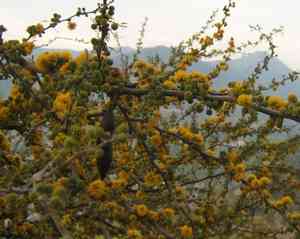
Acacia farnesiana, a sturdy shrub originating from South America, is recognized for its hardiness and versatility. This botanical specimen flourishes in adequately drained earth and ample sunlight. For propagation via cuttings, select semi-hardwood sections from established, vigorous plants. Insert these cuttings into a blend of sand and peat for superior root development. Consistent misting aids in preserving humidity. The application of rooting stimulant can improve the likelihood of successful establishment.
Optimal Time for Roman Cassie Propagation?
Propagation Method
Cutting
Propagation Period
Autumn,Winter
Tools for Roman Cassie Propagation?
Pruning Shears
Used for taking cuttings from roman cassie. Sharp, clean shears ensure a precise cut, minimizing infection risk and promoting faster root development.
Rooting Hormone
Applied to the cut end of roman cassie cuttings to encourage root growth. This is particularly crucial for hardwood cuttings, which may root less readily.
Propagation Trays
Used to hold roman cassie cuttings in a controlled setting. These trays help maintain consistent moisture and are easily moved for optimal light exposure.
Heat Mat
Placed beneath propagation trays to provide warmth from below, which can boost root development in roman cassie cuttings, especially in cooler environments.
Misting System
Helps maintain high humidity around roman cassie cuttings. Consistent moisture is essential to prevent cuttings from drying out before rooting.
Sterile Potting Mix
A soil-less blend that offers good drainage and aeration, vital for developing roots of roman cassie. Using a sterile mix reduces disease risk.
Labeling Stakes
Used to identify roman cassie cuttings, ensuring accurate tracking and monitoring of propagation progress.
Humidity Dome
Placed over propagation trays to maintain elevated humidity levels around roman cassie cuttings, creating an ideal microenvironment for root formation.
How to Propagate Roman Cassie?
Propagation Difficulty
Moderately Difficult
Caring for Newly Propagated Roman Cassie?
Caring for Newly Propagated Roman Cassie?
Once roots have formed and the new plant shows signs of growth, gradually remove the plastic cover to acclimatize the plant to normal humidity. Water sparingly, allowing the top inch of soil to dry between waterings, and provide bright, indirect light. Monitor for any signs of disease or pests, and when the plant is robust enough, consider transplanting it to a more permanent pot or an outdoor spot with well-draining soil.
Common Errors to Avoid When Propagating Roman Cassie
Overwatering
Excessive moisture can lead to root rot and fungal issues, severely compromising plant health and reducing successful propagation rates for roman cassie.
Incorrect Soil Type
Using poorly draining soil can suffocate roots and hinder proper growth. Roman cassie requires well-draining soil to thrive.
Improper Seed Handling
Failure to scarify seeds or incorrect soaking can significantly lower germination rates, making propagation efforts less successful.
Insufficient Light
Lack of adequate sunlight can impede the growth and development of roman cassie, as it flourishes in sunny conditions.
Ignoring Pest Control
Neglecting pest management can result in infestations that harm young plants and hinder their growth.
Tips For Propagating Roman Cassie
Water Management
Ensure the soil is moist but not waterlogged. Utilize a well-draining soil mix to promote proper root health.
Soil Preparation
Use a sandy or gritty mix that allows for good drainage to prevent root suffocation.
Seed Scarification
Scarify seeds by lightly sanding or nicking the seed coat, then soak them in warm water for 24 hours to enhance germination rates.
Adequate Light
Position the plant where it will receive full sun for most of the day, as roman cassie thrives in bright light conditions.
Pest Control
Regularly inspect the plant for pests and address infestations early with appropriate organic or chemical treatments.



