How to Prune Damiana?
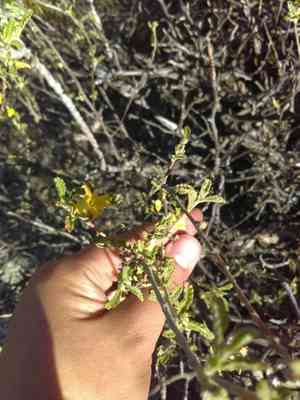
This compact shrub, recognized for its fragrant foliage and medicinal qualities, thrives with trimming to foster a denser form. Conduct pruning in late spring or early summer once the blooming period concludes. Reduce the plant by as much as one-third, focusing on eliminating lifeless or frail stems to preserve its structure and well-being. Consistent trimming improves air movement and light penetration, which are vital for damiana's vigor and the production of its potent leaves. Discard all removed plant matter to avert illness.
What Are the Benefits of Pruning Damiana?
What Are the Benefits of Pruning Damiana?
Trimming damiana promotes abundant flowering and lowers the chance of pest and disease infestations, fostering strong and attractive development.
What Is the Best Time for Pruning Damiana?
What Is the Best Time for Pruning Damiana?
Late spring and early summer are considered optimal periods for pruning damiana due to several key aspects of the plant's life cycle. By late spring, damiana has typically finished its blooming phase and enters a vigorous growth period. Pruning at this time allows the plant to redirect its energy towards producing new growth rather than supporting old or spent foliage and flowers. Furthermore, pruning at the start of early summer gives damiana an opportunity to recover from any cuts before the intense summer heat, which can stress recently pruned plants. This timing avoids the dormant winter phase when pruning could hinder the plant's spring resurgence. Pruning during these seasons also minimizes the risk of disease and pest infestation, as many potential threats are less active then. This strategic timing supports the overall health and vigor of damiana, and helps ensure optimal flowering and growth in the subsequent season.
What Tools Do I Need to Prune Damiana?
Hand Pruners
For precise trimming of small stems and branches on damiana, hand pruners, also known as secateurs, are ideal. Select a bypass pruner rather than an anvil style for clean cuts that promote healthy regrowth.
Pruning Shears
Damiana can be shaped effectively with pruning shears, which facilitate the removal of larger stems that hand pruners cannot handle. Ensure shears are sharp and clean to avoid damaging the plant.
Gloves
Gardening gloves are essential when pruning damiana to protect hands from thorns or rough branches.
Cleaning Solution
To prevent the spread of disease among damiana plants, clean the blades of your pruning tools before and after use with a disinfectant solution.
How to Prune Damiana
Clean cut tools
Ensure your pruning shears are clean and sharp to prevent the spread of disease and to make clean cuts that damiana can heal rapidly.
Remove diseased parts
Carefully prune away any diseased leaves and branches from damiana, using a cut that is just beyond a node or a swollen area where a leaf attaches to the stem, to encourage healthy new growth.
Trim dead material
Remove dead branches and withered leaves, cutting back to the base or to the nearest healthy stem on damiana, to maintain plant health and appearance.
Shape plant
Prune withered flowers and excessive growth branches to shape damiana, ensuring to maintain the natural form of the plant and promote air circulation within its structure.
Dispose waste properly
Discard all removed material responsibly, keeping it away from healthy damiana plants to prevent potential disease spread.
Common Pruning Mistakes with Damiana
Overpruning
Removing too much foliage at once can stress damiana, leading to weak growth and reduced flowering. It's vital to prune no more than one-third of the plant at a time to maintain its health and vigor.
Improper Cuts
Making cuts too close or too far from the bud can cause damage to damiana. Instead, cuts should be made at a 45-degree angle, approximately 1/4 inch above the bud, to promote healthy regrowth.
Using Dull Tools
Dull pruning tools can create jagged cuts on damiana that are more susceptible to disease and pests. Always use sharp, clean pruning shears for a clean cut.
Neglecting Deadheading
Failing to remove spent flowers on damiana can prevent new blooms and lead to seed development, which may divert energy away from vegetative growth.
Ignoring Plant Shape
Random or excessive cutting without considering the natural shape of damiana can result in an unbalanced appearance and potentially harm the plant's structural integrity.
Common Pruning Tips for Damiana
Selective Pruning
Target the oldest stems for pruning to stimulate new growth and maintain the vitality of damiana. Pruning older stems at the base will encourage a bushier plant with more foliage and blooms.
Encourage Bushiness
Damiana tends to grow leggy, so pinch back the tips of the stems periodically to encourage branching and create a fuller plant.
Sterilize Tools
Before pruning damiana, sterilize your tools with alcohol or a bleach solution to prevent the spread of disease between plants.
Monitor Health
Regularly inspect damiana for dead or diseased branches. Prune these areas immediately to maintain the plant's overall health, irrespective of the pruning schedule.
Balance Pruning
When thinning damiana, ensure to create a balanced framework that promotes good air circulation. This will reduce the risk of fungal diseases, which the plant is prone to when overly dense.



