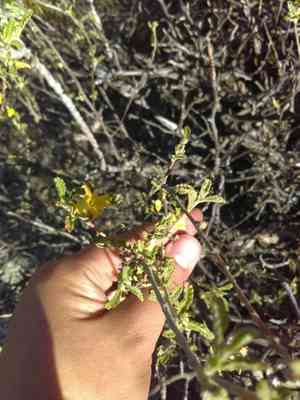
Damiana (Turnera diffusa)
Also known as: Damiana
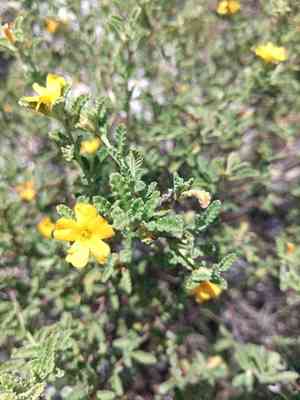
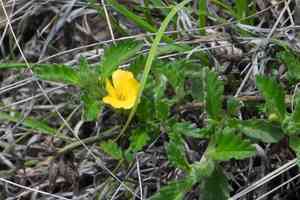
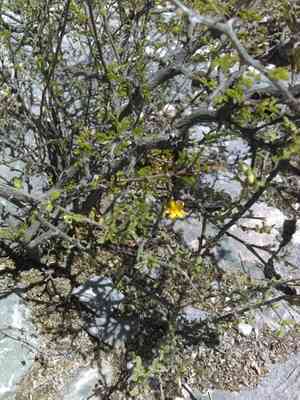
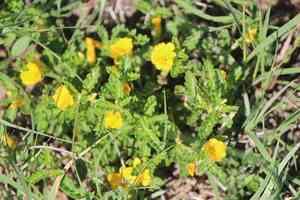
The Damiana shrub, which typically grows to a height of 91 to 183 cm, features small yellow flowers and serrated green leaves. It is indigenous to southern Texas, Mexico, and Central America. The dried leaves of Damiana can be used to make tea or infused in alcohol. In Mexico, it is also a popular addition to certain liquors and margaritas.
In This Article
Attributes of Damiana
Lifespan
Perennial
Plant Type
Shrub
Plant Height
1 m
Spread
60 cm
Leaf Color
Green
Flower Size
2.5 cm
Flower Color
Yellow
Images of Damiana
Quickly Identify Damiana
1
Turnera diffusa can be identified by its small, aromatic leaves which are generally ovate to lanceolate in shape. The plant produces small yellow flowers with five petals which bloom in late spring to early fall.
Scientific Classification of Damiana
Phylum
Vascular plants
Class
Dicotyledons
Order
Malpighiales
Family
Turnera
Genus
Turnera
Species
Damiana
Planting and Growing of Damiana
Care Difficulty
Easy
Watering Schedule
Every 3 days
Sunlight Requirements
Full sun
Sunshine Duration
4-8 hours
Ideal Temperature
70-85℉
Soil Type
Potting Mix, Peat Mix
Soil pH
6.5-7.5
Fertilizer Type
Balanced
Pruning Season
Spring, Summer
Pruning Area
Branches, Leaves
Pruning Frequency
2 times a year
Repotting Season
Spring
Pot Type
Plastic, Ceramic
 How to Water Damiana?
Turnera diffusa appreciates a consistent but moderate water supply. It is ideal to water until the soil is moist but not soggy, typically around 250 milliliters per session. Ensure excess water drains away to prevent root rot.
What are the symptoms of an underwatered Damiana?
›
What should I do if my Damiana is not getting enough water?
›
What are the symptoms of an overwatered Damiana?
›
How to save an overwatered Damiana?
›
 What Are the Sunlight Requirements for Damiana?
Partial to full sun exposure is ideal, promoting vigorous growth, abundant flowering, and vibrant leaf coloration. Proper light ensures energy surplus for metabolic activities.
More About Sunlight Requirements Techniques→
Best time for sunlight exposure
›
Optimal location
›
Assistance with shade management
›
 What Is the Ideal Temperature Range for Damiana?
Turnera diffusa thrives in warm climates with an ideal temperature range of 70 to 85°F. This range supports optimal growth, flowering, and reproductive cycles. Consistently maintaining room temperatures in this range mimics its native habitat, ensuring the plant remains healthy and productive.
 What Soil is Best for Damiana?
Turnera diffusa thrives in well-drained soil that prevents waterlogging. Adequate drainage is crucial as it allows roots to access oxygen and nutrients efficiently, promoting healthy growth and preventing root rot. The plant benefits from a nutrient-rich soil which supports robust development. Nutrients such as nitrogen, phosphorus, and potassium are essential for flowering and resilience against diseases. An ideal pH range from 6.5 to 7.5 supports the plant's absorption of vital nutrients. Proper pH levels lead to vibrant blooms and strong plant health, minimizing the risk of nutrient lockout.
 How to Fertilize Damiana?
For Turnera diffusa, use a balanced liquid fertilizer, providing 1 teaspoon per gallon of water for mature plants. Young plants may require half this amount. Ensure the fertilizer has a balanced N-P-K ratio to support foliage, root, and flower development.
 How to Prune Damiana?
Begin by identifying the stems that are either dead, diseased, or damaged and remove them with clean, sharp scissors or shears to prevent infections. Next, trim back any overly long or leggy stems to promote a full, bushy growth. Focus on cutting just above a leaf node, which will encourage new shoots. Finish by removing any crossing branches to improve air circulation within the plant, helping reduce the risk of fungal diseases.
More About Pruning Techniques→
 How to Propagate Damiana plant?
1
Ensure seeds are collected from a mature Turnera diffusa plant. Clean them thoroughly to remove any debris and soak them overnight to improve germination rates.
2
Select healthy stems from the Turnera diffusa and cut them at an angle to maximize the surface area for root development. Remove excess leaves to reduce moisture loss.
3
During the division propagation, carefully split the root system into sections, ensuring that each division contains a healthy portion of roots and shoots for successful regrowth.
 How to Repot Damiana plant?
1
Monitor your Turnera diffusa for signs such as roots growing out of the drainage holes or water sitting on top of the soil after watering. These indicators suggest that it’s time to consider repotting, ensuring room for further growth and healthy root development.
2
Opt for a pot that is about 2 inches larger in diameter than the current one with drainage holes at the bottom. This allows for proper root expansion and prevents waterlogging, which can lead to root rot. A slightly heavy pot helps stabilize the plant as it grows.
3
Choose a well-draining, sandy soil mix that mimics the natural habitat of Turnera diffusa. This type of soil ensures good aeration and prevents excess moisture retention, crucial for avoiding root rot and promoting vibrant growth.
Learn More About Damiana Diseases
Anthracnose
Bacterial Leaf Spot
Bacterial Wilt
Black Spot
Chemical Injury
Crown Gall
Damping-off
Downy Mildew
Drought Stress
Fusarium Wilt
Gray Mold
Leaf Curl
Leaf Spot
Mosaic
Nutrient Deficiency
Nutrient Toxicity
Powdery Mildew
Root Rot
Root-knot Nematode
Rusts
Sooty Mold
Spider Mites
Temperature Stress
Thrips Damage
White Mold



