How to Prune Australian goldvine?
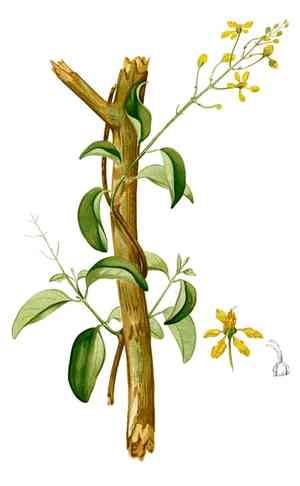
This robust, perennial vine, featuring yellow flowers, flourishes with consistent trimming. For australian goldvine, cut directly above leaf junctions to foster dense development, and eliminate deceased or excessively dense branches to preserve air movement. Optimal trimming takes place in late winter or early spring prior to the emergence of new shoots. This schedule enhances blooming capacity and plant well-being. Pruning not only sculpts australian goldvine but also incites additional blossoms, rendering it an essential practice for a vibrant showcase.
What Are the Benefits of Pruning Australian Goldvine?
What Are the Benefits of Pruning Australian Goldvine?
Trimming australian goldvine encourages robust development and maintains a desired form, ensuring peak health and visual appeal. This practice can lead to improved flowering and a compact structure, vital for both aesthetic purposes and plant vigor.
What Is the Best Time for Pruning Australian Goldvine?
What Is the Best Time for Pruning Australian Goldvine?
The optimal period for trimming australian goldvine is in late winter or early spring, coinciding with the plant's dormant phase and just prior to the start of its active growth cycle. Pruning during these seasons minimizes stress on australian goldvine and ensures rapid recovery. It also aids in shaping the plant and removing any dead or diseased branches, fostering healthier development. This timing prevents cutting off emerging blooms, which typically appear later in spring and early summer, ensuring the plant's decorative and flowering potential is maximized. By conducting pruning before the onset of warmer weather, gardeners help australian goldvine to direct its energy into new, vigorous growth, which benefits both foliage and flower production.
What Tools Do I Need to Prune Australian Goldvine?
Hand Pruners
Perfect for precise cutting of smaller stems, ensuring clean cuts that will heal quickly, preventing harm to australian goldvine.
Lopping Shears
Best suited for cutting through thicker stems or branches up to 1.5 inches in diameter, which accommodates the growth habit of australian goldvine.
Pruning Saw
Essential for any stems or branches thicker than what lopping shears can manage, allowing for clean cuts without tearing.
Garden Scissors
Useful for snipping dead or delicate growth, and can help shape australian goldvine without causing unnecessary damage to the plant.
How to Prune Australian Goldvine
Clean tools
Before trimming australian goldvine, sanitize all pruning implements using a solution of 1 part bleach to 9 parts water to prevent the spread of illness.
Remove diseased leaves
Cut away any diseased leaves from australian goldvine, ensuring a clean cut to prevent further damage. Dispose of these leaves safely to prevent disease spread.
Trim withered leaves
Identify and remove withered leaves from australian goldvine by cutting them at the base of the leaf stem, using sharp, clean scissors or pruners.
Shape plant
Thin out crowded areas of australian goldvine to improve air circulation by selectively pruning stems that cross or are too dense, therefore promoting healthier growth.
Disinfect area
After pruning australian goldvine, clean the area beneath the plant to remove all fallen debris, and re-sterilize tools to prevent any traces of disease from lingering.
Common Pruning Mistakes with Australian Goldvine
Over pruning
Removing too much foliage from australian goldvine can weaken the plant, leading to reduced flowering and potentially harming its overall health. This mistake can also create an imbalance in the plant's natural shape and vigor.
Blunt instruments
Using dull or dirty pruning tools can damage the stems of australian goldvine, leading to jagged cuts that are more susceptible to pests and diseases. This can hinder the healing process and affect future growth.
Improper cutting
Incorrect cutting techniques, such as cutting too close to the main stem or leaving too large a stub, can result in poor wound healing and can cause dieback in australian goldvine.
Ignoring diseased material
Failing to remove or properly dispose of diseased branches may spread pathogens throughout australian goldvine, affecting its health and that of neighboring plants.
Neglecting plant structure
Not considering the natural growth pattern of australian goldvine can result in a loss of its aesthetic form, with pruning potentially stimulating growth in undesired directions.
Common Pruning Tips for Australian Goldvine
Clean cuts
Make clean cuts at a 45-degree angle just above a leaf node or bud to encourage australian goldvine to produce new growth in a desirable direction and to facilitate quick healing.
Tool maintenance
Use sharp, clean pruning shears or scissors specifically designed for plant care to protect australian goldvine from injury and disease transmission during pruning.
Selective pruning
Focus on selectively removing dead, diseased, or damaged branches to maintain or improve the health and appearance of australian goldvine, rather than indiscriminate cutting back.
Thinning dense growth
Thin out dense areas to improve air circulation and light penetration, which can help reduce the likelihood of diseases and promote a stronger structure in australian goldvine.
Encourage flowering
Lightly trim australian goldvine immediately after flowering to promote the development of new buds, as this plant typically blooms on new wood.



