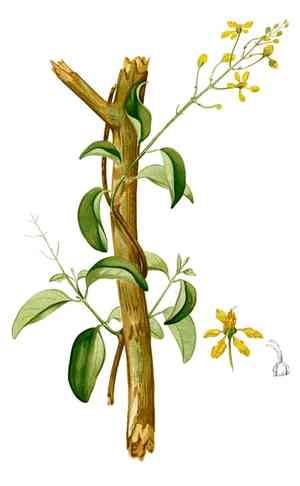
Australian goldvine (Tristellateia australasiae)
Also known as: Shower of gold, Golden vine
The Australian goldvine (Tristellateia australasiae) is a favored choice in ornamental landscaping due to its stunning yellow blooms, which provide a vibrant display throughout the year. This vine is ideal for decorating fences, trellises, and pergolas. However, its rapid growth can be overwhelming in smaller spaces. Additionally, it attracts a variety of wildlife, such as birds, bees, and butterflies, enhancing the garden's ecosystem.
In This Article
Attributes of Australian goldvine
Lifespan
Perennial
Plant Type
Vine
Plant Height
1.8 m to 3 m
Spread
60 cm to 90 cm
Leaf Color
Dark green
Flower Size
2 cm to 2.5 cm
Flower Color
Yellow
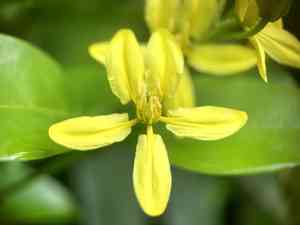
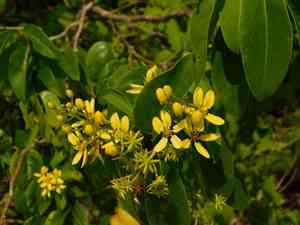
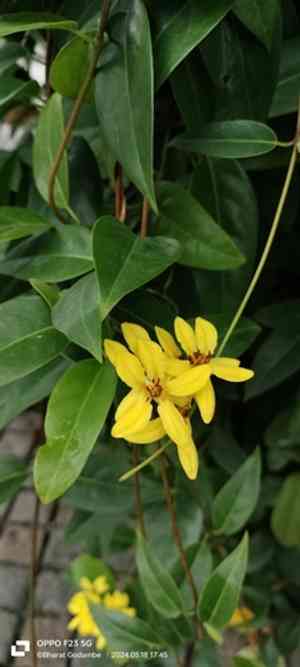
Images of Australian goldvine
Quickly Identify Australian goldvine
1
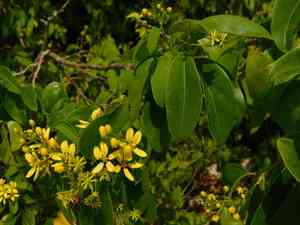
Look for a vigorous climber or sprawling shrub with glossy, ovate leaves and distinctive bright yellow flowers with red centers that appear in racemes. The stems are slender and can be trained on trellises or left to sprawl.
Scientific Classification of Australian goldvine
Phylum
Vascular plants
Class
Dicotyledons
Order
Malpighiales
Family
Barbados cherry
Genus
Tristellateia
Species
Australian goldvine
Planting and Growing of Australian goldvine
Care Difficulty
Easy
Watering Schedule
Every 4 days
Sunlight Requirements
Full sun
Sunshine Duration
6-10 hours
Ideal Temperature
68-86℉
Soil Type
Potting Mix, Peat Mix
Soil pH
6.5-7.5
Fertilizer Type
Balanced
Pruning Season
Spring, Summer
Pruning Area
Branches, Leaves
Pruning Frequency
2 times a year
Repotting Season
Spring
Pot Type
Plastic, Ceramic
 How to Water Australian goldvine?
When watering Tristellateia australasiae, ensure that you provide approximately 500ml of water. The goal is to moisten the soil thoroughly, allowing the excess to drain out. It is crucial that the soil remains damp but not waterlogged, ensuring the roots have access to moisture without leading to rot. A good rule of thumb is to water until the topsoil feels moist, and then allow it to dry slightly before the next watering.
What are the symptoms of an underwatered Australian goldvine?
›
What should I do if my Australian goldvine is not getting enough water?
›
What are the symptoms of an overwatered Australian goldvine?
›
How to save an overwatered Australian goldvine?
›
 What Are the Sunlight Requirements for Australian goldvine?
Tristellateia australasiae's ideal lighting range is full sun to partial sun. Under such conditions, the plant thrives, demonstrating robust growth and vibrant flowering. Adequate sunlight aids in healthy foliage development and boosts the plant's overall resilience.
More About Sunlight Requirements Techniques→
What kind of lighting does Tristellateia australasiae thrive in?
›
What measures can you take to ensure ideal lighting for Tristellateia australasiae?
›
What benefits does Tristellateia australasiae experience under optimal lighting conditions?
›
 What Is the Ideal Temperature Range for Australian goldvine?
For optimal growth of Tristellateia australasiae, maintaining the temperature between 68°F and 86°F provides the best environment for development. This plant thrives in warm climates typical of tropical regions where both air and soil temperatures are stable and conducive to lush growth.
 What Soil is Best for Australian goldvine?
Tristellateia australasiae thrives best in well-drained soil, ensuring that water does not accumulate around the roots, which might lead to root rot. This requirement plays a crucial role in maintaining the plant's overall health and supporting robust growth. The plant demands a nutrient-rich soil environment to flourish. Ensuring that the soil is replete with organic materials such as compost or well-rotted manure boosts its growth significantly. A nutrient-dense base enhances the vitality and bloom production of the plant. Regularly moist soil is beneficial for Tristellateia australasiae, yet it shouldn't remain soggy. Maintaining consistent moisture helps in sustaining growth and preventing stress conditions that might arise from a lack of water.
 How to Fertilize Australian goldvine?
For Tristellateia australasiae, apply a balanced liquid fertilizer with an N-P-K ratio of 10-10-10 at half strength for optimal growth. Proper dosing ensures that the plant receives adequate nutrients without the risk of salt build-up.
 How to Prune Australian goldvine?
Start by removing any dead, damaged, or diseased branches. This encourages new growth and prevents disease spread. Trim back the long, unkempt branches to maintain a neat shape. Aim to make cuts just above a leaf node to stimulate branching. Pruning regularly helps maintain the plant's beautiful vining structure. To encourage a flush of blooms, cut back the flowering shoots by about one-third after the main flowering period. This encourages the plant to put out new growth, which is crucial for flower production. Use sharp, clean pruning shears to make precise cuts, ensuring a healthy flowering cycle.
More About Pruning Techniques→
 How to Propagate Australian goldvine plant?
1
Choose healthy seeds or 4-6 inch cuttings from a mature plant. Ensure the cuttings have at least two nodes and no visible damage or disease.
2
Use a mix of potting soil and perlite to ensure good drainage. Fill pots or trays with the mixture, leaving room for seeds or cuttings.
3
Place seeds on the soil surface and cover them lightly, or insert cuttings into the soil mix. Water lightly to settle the soil, but avoid waterlogging.
 How to Repot Australian goldvine plant?
1
Repotting Tristellateia australasiae is best when you notice roots circling the base of the pot or emerging through drainage holes, indicating restricted space. Additionally, stunted growth or poor water retention can signal the urgency of a pot upgrade. These indicators are your plant's way of telling you it's time to move to a more spacious environment.
2
When selecting a pot, opt for one that is 2 to 3 inches wider in diameter than the current container. Make sure it has ample drainage holes to prevent waterlogging. A terracotta pot is ideal as it promotes airflow and moisture evaporation, significantly benefiting this semi-climbing plant by reducing root rot risks.
3
For soil, choose a well-draining potting mix, preferably enriched with organic matter. A mix of peat, perlite, and compost will offer balanced nutrition and aeration. This combination promotes healthy root establishment, encouraging vibrant foliage in Tristellateia australasiae.
Learn More About Australian goldvine Diseases
Anthracnose
Bacterial Leaf Spot
Bacterial Soft Rot
Bacterial Wilt
Crown Gall
Damping-off
Downy Mildew
Drought Stress
Fusarium Wilt
Gray Mold
Leaf Curl
Leaf Spot
Mosaic
Nutrient Deficiency
Nutrient Toxicity
Powdery Mildew
Root Rot
Root-knot Nematode
Rusts
Sooty Mold
Spider Mites
Temperature Stress
Thrips Damage
White Mold



