How to Prune Siberian oatgrass?
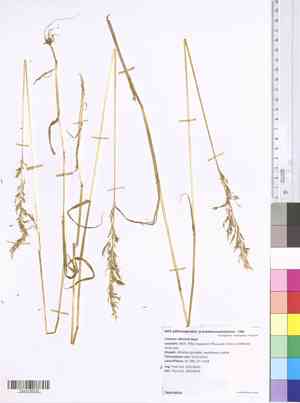
Recognized for its hardiness and delicate texture, siberian oatgrass thrives with trimming in late winter or early spring. Consistently eliminate withered or compromised stalks to foster robust development and air circulation. Sever older stalks at the soil line to revitalize and thin out any dense sections to improve light exposure. Trimming during these periods coincides with the plant's inactive stage, reducing strain and stimulating strong growth when spring arrives. Appropriate trimming aids in preserving its visual charm and boosts the plant's general well-being.
What Are the Benefits of Pruning Siberian Oatgrass?
What Are the Benefits of Pruning Siberian Oatgrass?
Trimming siberian oatgrass promotes robust development, helps maintain its form, and prevents excessive density. Proper trimming enhances air movement, which can deter pests and illnesses, leading to a healthier, more visually appealing plant.
What Is the Best Time for Pruning Siberian Oatgrass?
What Is the Best Time for Pruning Siberian Oatgrass?
Trimming siberian oatgrass in early spring enables the plant to direct its energy towards new growth as temperatures rise, ensuring a stronger and more active growing season ahead. Winter trimming occurs during the plant's dormant phase, reducing stress and disease risk. Both periods are ideal as they align with siberian oatgrass's natural growth cycle, preparing the plant for healthy development and optimal performance during its active growth and flowering stages.
What Tools Do I Need to Prune Siberian Oatgrass?
Hand Pruners
Perfect for cutting back dead or old stems near the base. Siberian oatgrass does not develop thick stems, making hand pruners adequate for most tasks.
Pruning Shears
Useful for shaping and maintaining the delicate foliage of siberian oatgrass. Ensures clean cuts that encourage healthy regrowth.
Grass Shears
Ideal for trimming and tidying the grassy clumps of siberian oatgrass. Grass shears allow precision without harming nearby plants.
Long-Handled Loppers
While not always essential, loppers can be beneficial if siberian oatgrass has become overgrown or has thicker stems requiring more leverage.
How to Prune Siberian Oatgrass
Inspect
Perform a thorough examination of siberian oatgrass to identify any diseased or withered leaves that require removal.
Sanitize
Sterilize your pruning shears or scissors to prevent the spread of disease. Use rubbing alcohol or a bleach solution to clean the tools.
Remove Diseased Leaves
Carefully cut away any diseased leaves at their base where they attach to the plant. Ensure the cuts are clean to minimize plant damage.
Remove Withered Leaves
Trim withered leaves close to their attachment point, ensuring no wilting or decayed parts remain.
Dispose Properly
Discard all trimmed leaves away from the garden area to prevent any potential disease spread. Do not compost diseased materials.
Common Pruning Mistakes with Siberian Oatgrass
Incorrect technique
Employing poor trimming methods such as tearing or crushing stems instead of making clean cuts, which can harm the plant and expose it to diseases.
Over-pruning
Removing too much foliage at once, which can stress the plant and diminish its vitality.
Under-pruning
Not removing enough of the dead, diseased, or damaged parts, which can impede growth and negatively affect the plant's overall health.
Improper tool maintenance
Using dull or dirty tools that can create jagged cuts and introduce pathogens.
Common Pruning Tips for Siberian Oatgrass
Use clean sharp tools
Always use clean, sharp pruning shears or scissors to make precise cuts, minimizing damage to the plant.
Remove dead material
Focus on removing dead, diseased, or damaged stems first to encourage healthy growth and prevent the spread of disease.
Thin out dense areas
Thin out overly dense sections to improve air circulation and light penetration, which can boost the health and vigor of the plant.
Cut at an angle
Make cuts at a slight angle to allow water to run off, reducing the risk of rot and disease.
Promote healthy shape
Prune to maintain a balanced shape and encourage a strong structure, which can support better growth and prevent wind damage.



