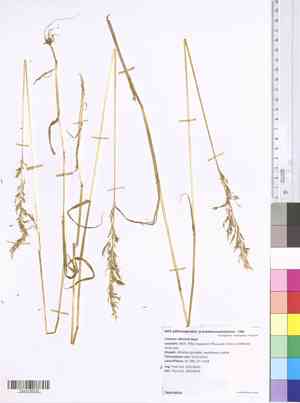
Siberian oatgrass (Trisetum sibiricum)
Also known as: Siberian Oat Grass
**Siberian wildrye (Elymus sibiricus)** is well-suited to the cool, challenging climates of Siberia. It features slender stems that reach a modest height, crowned by distinctive feathery panicles. These panicles consist of small spikelets that range in color from green to purplish, swaying gracefully with the wind. Renowned for its hardiness, Siberian wildrye can withstand harsh conditions and poor soils where many other plants struggle to survive.
In This Article
Attributes of Siberian oatgrass
Lifespan
Perennial
Plant Type
Grass
Plant Height
50 cm to 1.2 m
Spread
Not Applicable
Leaf Color
Green
Flower Size
3 cm to 5 cm
Flower Color
Yellow Green Brown
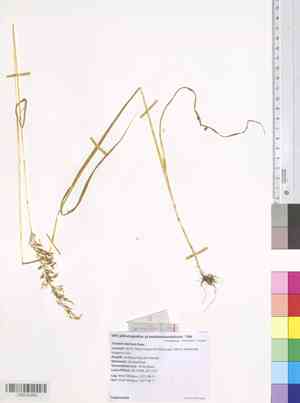
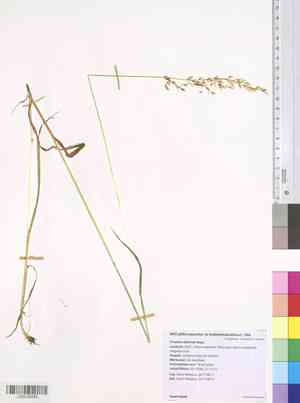
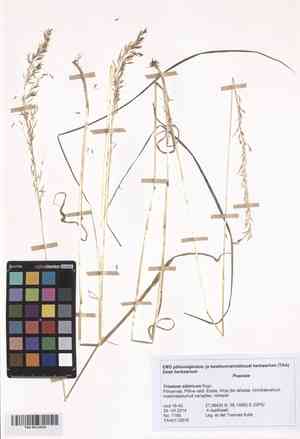
Images of Siberian oatgrass
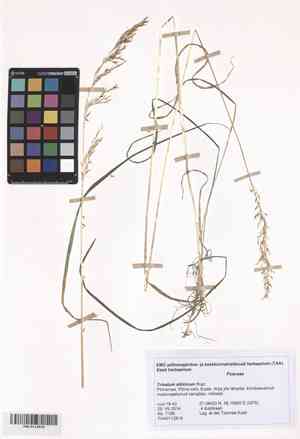
Quickly Identify Siberian oatgrass
1
Trisetum sibiricum can be identified by its clusters of spikelets that form loose panicles. The leaves are linear and lance-shaped, and the plant usually exhibits a green to bluish-green coloration. Its inflorescences are delicate and graceful, making it distinguishable from other grass species.
Scientific Classification of Siberian oatgrass
Phylum
Vascular plants
Class
Monocotyledons
Order
Poales
Family
Grass
Genus
Oatgrass
Species
Siberian oatgrass
Planting and Growing of Siberian oatgrass
Care Difficulty
Moderate
Watering Schedule
Every 3 days
Sunlight Requirements
Partial sun
Sunshine Duration
6-12 hours
Ideal Temperature
60-75℉
Soil Type
Potting Mix, Peat Mix
Soil pH
6.5-7.5
Fertilizer Type
Balanced
Pruning Season
Spring, Summer
Pruning Area
Branches, Leaves
Pruning Frequency
2 times a year
Repotting Season
Spring
Pot Type
Plastic, Ceramic
 How to Water Siberian oatgrass?
For Trisetum sibiricum, water each time with approximately 250 ml, ensuring the soil is consistently moist but not waterlogged. The aim is to mimic its natural habitat, where moisture is abundant but drains well.
What are the symptoms of an underwatered Siberian oatgrass?
›
What should I do if my Siberian oatgrass is not getting enough water?
›
What are the symptoms of an overwatered Siberian oatgrass?
›
How to save an overwatered Siberian oatgrass?
›
 What Are the Sunlight Requirements for Siberian oatgrass?
Partial sun exposure keeps Trisetum sibiricum healthy by balancing necessary light with protection against overexposure. This approach fosters optimal photosynthesis and supports vigorous growth.
What are ideal lighting conditions for Trisetum sibiricum?
›
How can you achieve ideal lighting for Trisetum sibiricum?
›
What's the benefit of ideal lighting conditions for Trisetum sibiricum?
›
 What Is the Ideal Temperature Range for Siberian oatgrass?
The ideal temperature range for Trisetum sibiricum is between 60°F and 75°F. This range provides optimal conditions for growth, promoting healthy root development and flowering. Maintaining this temperature range helps avoid stress and supports the plant's overall vitality.
 What Soil is Best for Siberian oatgrass?
Trisetum sibiricum thrives in well-drained soils that prevent waterlogging. Good drainage helps prevent root rot and ensures the plant's root system gets adequate aeration, promoting healthy growth. This species benefits from soils rich in organic matter. Organic components enhance soil fertility, providing essential nutrients for robust growth and ensuring the plant maintains its lush green appearance. A loose soil texture facilitates root expansion and water penetration. Loose soils aid in easy root establishment and enable the plant to access moisture and nutrients more effectively, fostering vigorous development.
 How to Fertilize Siberian oatgrass?
For Trisetum sibiricum, apply a balanced liquid fertilizer diluted to half strength. Use approximately 100 ml per plant, ensuring not to over-fertilize as this can harm the delicate root system.
 How to Prune Siberian oatgrass?
Begin by removing any dead or damaged stems. This allows the plant to focus on healthy growth and prevents the spread of rot within the cluster. For rejuvenation, cut the grass down to about 2-4 inches from the ground. This encourages new, vigorous growth and helps maintain dense planting. Do not remove more than one-third of the plant's growth at a time to prevent shocking the plant, which may hinder growth and recovery.
More About Pruning Techniques→
 How to Propagate Siberian oatgrass plant?
1
Start by collecting mature seeds from the plant in late summer or early autumn. Clean the seeds to remove any plant debris. Store seeds in a cool, dry place until spring before sowing them indoors or directly into the garden.
2
In early spring, fill a seed tray with a mix of compost and sand for good drainage. Sprinkle the seeds over the surface and cover them lightly with soil. Water gently to avoid disturbing the seeds and keep the tray in a warm location.
3
In spring, when new growth appears, select mature plants with multiple clumps. Use a spade to dig around and lift the plant gently. Separate the clumps by hand or with a knife, ensuring each division has roots attached.
 How to Repot Siberian oatgrass plant?
1
It's time to repot Trisetum sibiricum when you notice roots protruding from the drainage holes, the soil dries out quickly after watering, or the plant's growth seems stunted. These signals indicate that the plant may have outgrown its current pot, requiring more space and fresh nutrients to thrive.
2
Select a pot that is one to two inches larger in diameter than the current one. Ensure it has adequate drainage holes. This size allows the roots more room to grow without overwhelming them with too much soil, helping maintain optimal moisture levels and preventing root rot.
3
Opt for a well-draining loamy soil that retains some moisture yet allows excess water to drain away. A good blend often includes peat, perlite, and organic matter. This ensures the roots receive proper aeration and nutrients, promoting healthy root development and plant growth.



