How to Propagate Siberian oatgrass?
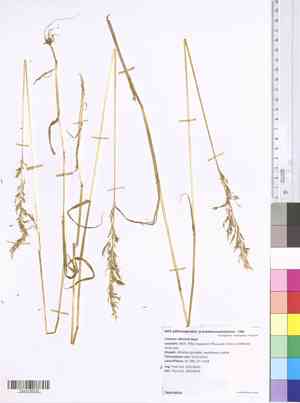
Siberian oatgrass, a grass variety originating from frigid areas, flourishes in adequately drained earth with average humidity. For propagation, separation is the most efficient technique. Gently divide the root masses and transplant them into comparable environments to guarantee robust development. Confirm the planting location gets sufficient sunlight. Consistently irrigate the freshly planted sections until they become established.
Optimal Period for Siberian Oatgrass Propagation
Propagation Method
Division
Propagation Period
Spring,Autumn
Tools Required for Siberian Oatgrass Propagation
Hand Pruners
Hand pruners are crucial for trimming back siberian oatgrass foliage prior to division. This lessens plant stress and minimizes root damage during the process. Ensure they are sharp and sanitized to prevent disease spread.
Garden Spade or Fork
A garden spade or fork is needed to excavate the siberian oatgrass clump from the ground. The spade's sharp edge aids in plant removal, while the garden fork can help loosen soil around roots, reducing extraction damage.
Sharp Knife
A sharp knife is utilized to separate the siberian oatgrass clump into smaller portions. Each portion should possess sufficient roots and shoots for successful re-establishment. The knife must be cleaned and disinfected to prevent disease transmission.
Root Washing Station
A root washing station or a hose with a gentle spray nozzle assists in cleaning siberian oatgrass roots before division. Removing excess soil allows for better root system inspection and facilitates precise division.
Sterilizing Solution
A sterilizing solution, such as a 10% bleach solution or rubbing alcohol, is vital for sanitizing tools before and after use. This helps prevent pathogen spread and ensures siberian oatgrass health during propagation.
Watering Can
A watering can with a fine rose is required to gently water siberian oatgrass after planting the divisions. Consistent moisture is essential for roots to establish in the new location without becoming waterlogged.
Plant Labels
Plant labels are important for tracking the various siberian oatgrass sections after division. Labels aid in monitoring growth and ensuring correct identification in different planting sites.
Mulch
Mulch helps maintain soil moisture and temperature around the newly planted siberian oatgrass divisions. Applying a layer of mulch reduces transplant shock risk and supports healthy new growth.
How to Propagate Siberian Oatgrass?
Propagation Type
Easy
How to Care for Your Newly Propagated Siberian Oatgrass?
How to Care for Your Newly Propagated Siberian Oatgrass?
Post-propagation, keep the soil consistently moist but not saturated. Ensure the plant receives adequate sunlight, ideally partial to full sun. Regularly check for pests and remove competing weeds. Fertilize lightly with a balanced, slow-release fertilizer if needed, to encourage healthy growth. Prune dead or damaged foliage to maintain plant health and appearance.
Common Mistakes to Avoid When Propagating Siberian Oatgrass
Overwatering
Excessive watering can lead to root rot and fungal diseases, severely impacting the plant's health and propagation success.
Improper Soil
Using soil that retains too much moisture or lacks adequate drainage can suffocate roots and impede growth.
Poor Light Conditions
Insufficient light can result in weak, elongated growth and reduce plant vigor, affecting its ability to propagate.
Ignoring Soil pH
Neglecting soil pH can cause nutrient deficiencies, as siberian oatgrass prefers slightly acidic to neutral soil conditions.
Overcrowding
Planting too many seeds or cuttings in close proximity can lead to competition for nutrients and light, resulting in stunted growth.
Tips For Propagating Siberian Oatgrass
Moderate Watering
Ensure the soil remains slightly moist but not waterlogged to prevent root rot and promote healthy root development.
Well-Draining Soil
Utilize soil that drains effectively to avoid standing water, which can suffocate roots. A mix of sandy and loamy soil is ideal.
Adequate Light
Provide bright, indirect light to encourage vigorous growth. If indoors, place near a well-lit window or use a grow light.
Monitor Soil pH
Maintain a soil pH of 6.0 to 7.5. Regularly test the soil and amend as needed to keep it within this range.
Spacing
Ensure appropriate spacing between seeds or cuttings to allow for sufficient air circulation and reduce resource competition.



