How to Prune Spotted wakerobin?
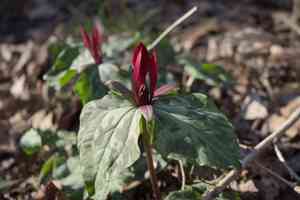
Trillium maculatum, known for its distinctive variegated leaves and three-petal blossoms, thrives with limited trimming. Essential methods involve eliminating withered or injured leaves in late winter or early spring prior to the emergence of new shoots. Gently snipping faded flowers can improve its look and energy allocation. Refrain from extensive cutting to uphold the plant's inherent shape. Trimming contributes to the plant's well-being and encourages strong development, leading to abundant flowering.
What Are the Benefits of Pruning Spotted Wakerobin?
What Are the Benefits of Pruning Spotted Wakerobin?
Trimming spotted wakerobin promotes vigorous development and maintains its form, fostering robust growth and an appealing look. Regular trimming also boosts its resistance to pests and illnesses, supporting the plant's overall health.
What Is the Best Time for Pruning Spotted Wakerobin?
What Is the Best Time for Pruning Spotted Wakerobin?
Pruning spotted wakerobin from late winter to early spring aligns with its dormant phase, reducing stress and allowing the plant to direct energy towards new growth as the season begins. This timing also ensures pruning doesn't interfere with spotted wakerobin's blooming period, promoting optimal health and vitality.
What Tools Do I Need to Prune Spotted Wakerobin?
Hand Pruners
Crucial for accurate cuts near the plant's base. Ideal for removing dead or damaged leaves without harming healthy surrounding tissue.
Garden Scissors
Useful for precisely trimming delicate foliage, minimizing damage to spotted wakerobin's leaves.
Sterilizing Solution
Important for cleaning tools before and after pruning to prevent disease spread, essential due to spotted wakerobin's pathogen sensitivity.
Gloves
Offers protection from plant sap and potential irritants, ensuring safe handling of spotted wakerobin.
How to Prune Spotted Wakerobin
Inspect
Examine spotted wakerobin for any indications of illness or wilting, focusing on leaves and foliage.
Sanitize
Clean your pruning implements with rubbing alcohol or a bleach solution to prevent disease transmission.
Cut Diseased Leaves
Utilize sharp, sanitized scissors or shears to remove diseased leaves, making clean cuts near the base for complete removal.
Remove Withered Leaves
Trim off any withered leaves, ensuring to cut back to a healthy section of the plant to avoid leaving damaged tissue.
Discard Waste
Dispose of all removed plant material away from your garden to prevent any potential disease spread.
Common Pruning Mistakes with Spotted Wakerobin
Cutting too much
A common error is removing an excessive amount of spotted wakerobin. Over-pruning can weaken the plant, hinder flowering, and potentially lead to its demise.
Incorrect cutting technique
Employing the wrong cutting method, such as making jagged or messy cuts, can leave spotted wakerobin vulnerable to disease and pest invasion.
Pruning too often
Pruning spotted wakerobin too frequently can disrupt its natural growth cycle, causing stress and impacting its overall health.
Ignoring dead or diseased parts
Neglecting to remove dead or diseased sections of spotted wakerobin can contribute to disease spread and negatively affect its vitality.
Common Pruning Tips for Spotted Wakerobin
Use sharp, clean tools
Always use sharp, clean pruning tools for precise cuts and to prevent infection. Sterilize tools between uses to avoid spreading disease.
Make clean cuts
Ensure all cuts are clean and angled, which helps the plant heal more effectively and reduces susceptibility to disease.
Remove dead or damaged foliage
Regularly inspect spotted wakerobin and promptly remove any dead, damaged, or diseased foliage to maintain health and encourage new growth.
Prune conservatively
Prune sparingly, removing no more than 1/3rd of the plant at any given time to avoid placing undue stress on spotted wakerobin.
Understand the growth pattern
Familiarize yourself with spotted wakerobin's growth pattern and focus on pruning to maintain its natural shape and encourage a balanced structure.



