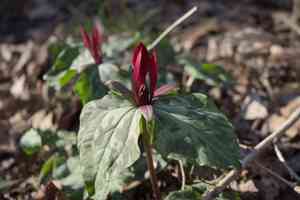
Spotted wakerobin (Trillium maculatum)
Also known as: Spotted Trillium, Spotted Wakerobin
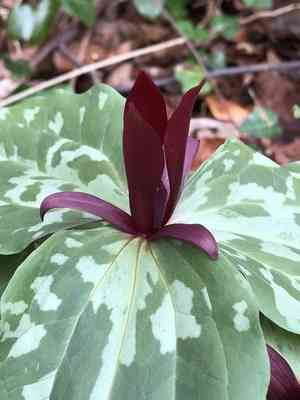
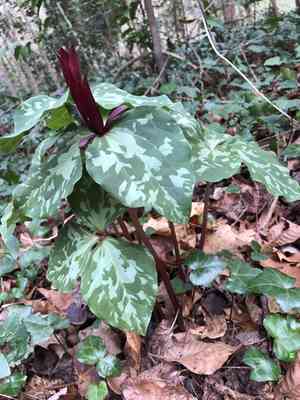
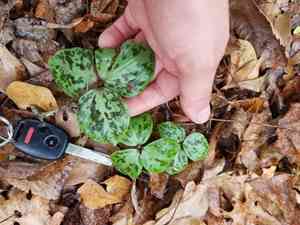
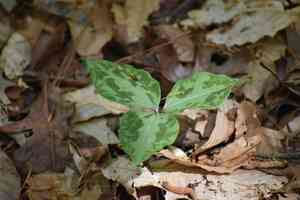
Trillium maculatum earns the name "spotted" due to the irregular dark blotches found on its leaves and stems. Its flowers typically appear in deep red or reddish-purple hues, though they can sometimes be yellow.
In This Article
Attributes of Spotted wakerobin
Lifespan
Perennial
Plant Type
Herb
Plant Height
30 cm
Spread
30 cm
Leaf Color
Green with dark spots or mottling
Flower Size
2 to 5 centimeters (0.8 to 2 inches)
Flower Color
Maroon to deep purple
Images of Spotted wakerobin
Quickly Identify Spotted wakerobin
1
To identify Trillium maculatum, look for its characteristic three broad leaves that often have dark spots or mottling. The plant features a solitary flower with three dark maroon to purple petals situated above the leaves.
Scientific Classification of Spotted wakerobin
Phylum
Vascular plants
Class
Monocotyledons
Order
Liliales
Family
Bunchflower
Genus
Birthroots
Species
Spotted wakerobin
Planting and Growing of Spotted wakerobin
Care Difficulty
Moderate
Watering Schedule
Every 2 days
Sunlight Requirements
Full shade
Sunshine Duration
6-12 hours
Ideal Temperature
60-75℉
Soil Type
Potting Mix, Peat Mix
Soil pH
6.5-7.5
Fertilizer Type
Balanced
Pruning Season
Spring, Summer
Pruning Area
Branches, Leaves
Pruning Frequency
2 times a year
Repotting Season
Spring
Pot Type
Plastic, Ceramic
 How to Water Spotted wakerobin?
Trillium maculatum requires a moderate watering approach, ensuring that the soil remains consistently moist but not waterlogged. A dose of approximately 250 ml per session suffices, following the principle that the soil should be moist to the touch without standing water at the roots.
What are the symptoms of an underwatered Spotted wakerobin?
›
What should I do if my Spotted wakerobin is not getting enough water?
›
What are the symptoms of an overwatered Spotted wakerobin?
›
How to save an overwatered Spotted wakerobin?
›
 What Are the Sunlight Requirements for Spotted wakerobin?
Ideal light range for Trillium maculatum is full shade to partial sun. This range aligns with its natural habitat and supports optimal growth, flowering, and foliage health.
How much sunlight does Trillium maculatum need?
›
What is the best time of day for sunlight exposure?
›
How can we ensure Trillium maculatum receives ideal lighting?
›
 What Is the Ideal Temperature Range for Spotted wakerobin?
For optimal growth, Trillium maculatum thrives in a temperature range between 60°F and 75°F. This range supports healthy development and flowering by mimicking the plant's native climate conditions. Maintaining temperatures within this range ensures that the plant can photosynthesize efficiently and develop robust foliage, which leads to better overall health.
 What Soil is Best for Spotted wakerobin?
Trillium maculatum thrives in soil that retains moisture well. This quality ensures the plant roots remain adequately hydrated, crucial during warmer seasons. A well-moisturized soil helps in sustaining the plant's lush foliage and timely bloom cycles. While moisture retention is vital, drainage is equally important to prevent root rot. Loamy soil provides the balance needed for this plant, enabling excess water to escape while keeping the necessary nutrients intact. This helps prevent fungal diseases and ensures healthier plant roots. Enriched soil packed with organic matter greatly benefits Trillium maculatum. Nutrient-rich soils promote robust growth and vibrant flowering, offering the necessary elements for the plant to thrive. Incorporating compost can augment the soil's fertility, enhancing plant health.
 How to Fertilize Spotted wakerobin?
For Trillium maculatum, apply liquid fertilizer at half strength to avoid overfeeding. Typically, use about 1 teaspoon of liquid fertilizer diluted in 1 gallon of water for each application. Slow-release fertilizers should be spread evenly around the base of the plant, about 1 tablespoon per plant per application.
 How to Prune Spotted wakerobin?
Begin by carefully inspecting the plant for dead or damaged leaves. Trim these away at their base to prevent disease and promote a tidier appearance, helping the plant focus its energy on healthy foliage. Always use sharp, clean pruning shears to make clean cuts. This reduces stress on the plant and minimizes the risk of disease entering through open cuts. Clean tools also help prevent cross-contamination between plants. Once the blooming season has passed in late spring or early summer, lightly trim the plant to remove spent flowers. This encourages the plant to conserve energy for future growth and maintains its shape.
More About Pruning Techniques→
 How to Propagate Spotted wakerobin plant?
1
Harvest seeds from mature Trillium maculatum plants in the spring. Ensure the seeds are from healthy, robust plants to increase the likelihood of successful germination.
2
Prepare a well-draining potting mix for planting seeds or division. The mix should be rich in organic matter to provide nutrients necessary for early plant development.
3
Carefully divide the rhizomes of Trillium maculatum during early spring. Ensure each division has at least one growth bud to promote new growth after planting.
 How to Repot Spotted wakerobin plant?
1
Trillium maculatum typically requires repotting when it shows signs of overcrowding or diminished growth. Look for roots emerging from drainage holes or a noticeable slowdown in leaf production. Spring is ideal for repotting, as the plant is coming out of dormancy and can adjust to new conditions more easily.
2
Select a pot that is slightly larger than the current one and has excellent drainage. A pot with a diameter 1-2 inches larger than the previous provides room for growth without overwhelming the plant. Proper drainage is crucial to prevent root rot, which can afflict trilliums if water accumulates.
3
Opt for a well-draining loamy soil mix that retains some moisture but doesn't become waterlogged. This type of soil will support the trillium's needs by allowing water to pass through while retaining essential nutrients, mirroring its natural forest habitat.
Toxicity
Ingestion
WARNING
The judgment on toxicity and danger is for reference only. We DO NOT GUARANTEE any accuracy of such judgment. Therefore, you SHALL NOT rely on such judgment. It is IMPORTANT TO SEEK PROFESSIONAL ADVICE in advance when necessary.
Learn More About Spotted wakerobin Diseases
Anthracnose
Bacterial Leaf Spot
Bacterial Soft Rot
Crown Gall
Cyst Nematode
Damping-off
Downy Mildew
Drought Stress
Fusarium Wilt
Gray Mold
Leaf Spot
Mosaic
Nutrient Deficiency
Nutrient Toxicity
Powdery Mildew
Root Rot
Root-knot Nematode
Rusts
Sooty Mold
Spider Mites
Temperature Stress
Thrips Damage
White Mold



