How to Prune Trailing wakerobin?
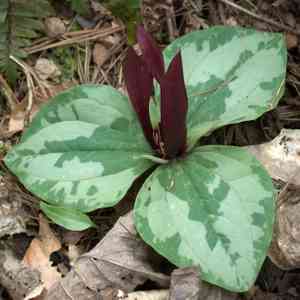
Trailing wakerobin exhibits a sprawling growth pattern and unique three-petal blossoms. The best time for trimming is in late winter to early spring, prior to the emergence of new shoots. Snip off any lifeless or ailing stalks, and take away spent flower stems to foster more robust and energetic development. Refrain from extensive cutting, as trailing wakerobin thrives with limited interference. Timely pruning guarantees enhanced floral output and sustains the plant's general well-being.
Why Prune Trailing Wakerobin?
Why Prune Trailing Wakerobin?
Trailing wakerobin benefits from pruning to encourage robust growth and maintain its form. Pruning improves the plant's overall health and look by eliminating dead or diseased sections, which can help it resist pests and stimulate new, healthy development.
When Is the Best Time to Prune Trailing Wakerobin?
When Is the Best Time to Prune Trailing Wakerobin?
Pruning trailing wakerobin in late winter or early spring is ideal because the plant is dormant. This timing allows for the removal of any diseased or dead foliage before the new growth season, enhancing the plant's overall health. Additionally, pruning at this time minimizes disruption to the plant's flowering period, maximizing its beauty and vigor during the growing season.
What Tools Are Needed to Prune Trailing Wakerobin?
Bypass Pruners
Perfect for making clean cuts on living stems, preventing damage to the delicate stems of trailing wakerobin.
Snips
A precise tool excellent for trimming small, fragile parts of trailing wakerobin without causing stress.
Hand Shears
Useful for cutting back spent flowers and dead foliage, helping to maintain the plant's overall health and appearance.
Sanitizing Wipes
Crucial for sterilizing tools before and after use to prevent the spread of disease to trailing wakerobin.
Steps to Prune Trailing Wakerobin
Inspect
Examine trailing wakerobin to find any diseased or withered leaves.
Disinfect
Before cutting, sanitize your pruning shears with a 70% isopropyl alcohol solution to prevent disease transmission.
Remove diseased
Carefully cut away any diseased leaves, making the cut at least one inch below the affected area to ensure all infected tissue is removed.
Remove withered
Trim off any withered leaves at their base, being careful not to harm the healthy parts of trailing wakerobin.
Dispose
Properly dispose of all removed plant material by sealing it in a plastic bag and discarding it, rather than composting, to prevent disease spread.
Common Pruning Errors with Trailing Wakerobin
Incorrect technique
Using dull tools or making jagged cuts can harm trailing wakerobin's delicate stems and impede its growth.
Poor timing
Pruning at the wrong time can remove buds and prevent flowering for the next season.
Excessive pruning
Removing too much foliage can stress trailing wakerobin, reducing its ability to photosynthesize effectively.
Cutting too close
Making cuts too near the base or leaf nodes can injure the plant and increase disease risk.
General Pruning Advice for Trailing Wakerobin
Sharp tools
Always use sharp, clean pruning shears to make precise cuts and minimize infection risk.
Light pruning
Focus on light pruning to remove dead or damaged leaves without over-pruning, ensuring the plant has enough foliage to thrive.
Angle cuts
Make angled cuts just above a leaf node or bud to encourage new growth and prevent water from collecting on cut surfaces.
Regular inspection
Periodically check trailing wakerobin for dead or unhealthy parts and remove them promptly to maintain the plant's overall health.



