How to Propagate Trailing wakerobin?
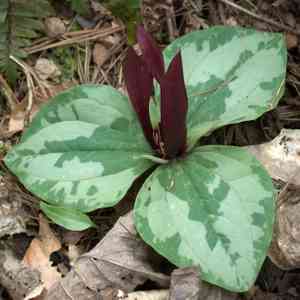
Trailing wakerobin is a diminutive perennial herb typically found in forested regions. It flourishes in damp, adequately drained earth under conditions ranging from partial to complete shade. For reproduction, dividing the plant is the most successful method. Gently excavate around the plant's foundation, detach the rhizome groupings, making sure every segment possesses a growth point, and promptly replant. Given proper attention, the plant will develop vigorously, contributing subtle charm to shaded garden locations.
When Is the Optimal Time to Propagate Trailing Wakerobin?
Propagation Method
Separation
Propagation Period
Spring,Autumn
What Implements Are Utilized for Trailing Wakerobin Propagation?
Garden Spade
A sharp garden spade is crucial for dividing trailing wakerobin. It's used to carefully dig around the plant's root system to lift it from the ground with minimal root damage. The spade's sharp edge ensures clean cuts through soil and roots, vital for healthy divisions.
Sharp Knife or Garden Shears
These tools are essential for cutting rhizomes during the division of trailing wakerobin. A clean, precise cut minimizes infection risk and promotes faster healing. Sterilizing the blade before use helps maintain plant health.
Hand Trowel
A hand trowel is useful for replanting the separated sections of trailing wakerobin. It allows for accurate plant placement in the soil, ensuring proper depth and spacing. This tool is especially beneficial for working in smaller, delicate garden areas.
Rooting Hormone Powder
Applying rooting hormone powder to the cut edges of rhizomes can stimulate root development for trailing wakerobin. This enhances the chances of successful propagation by accelerating the growth rate of new roots.
Plant Labels
Using plant labels is important for identifying and tracking the various sections of trailing wakerobin after division and replanting. This aids in monitoring the growth and health of new plants, ensuring proper care and maintenance.
Watering Can with Fine Rose
A watering can with a fine rose attachment ensures gentle irrigation of newly divided trailing wakerobin plants. Adequate moisture is vital for the establishment of divisions, and the fine rose helps prevent soil erosion and damage to delicate new roots.
How to Propagate Trailing Wakerobin?
Propagation Type
Simple
How to Care for Your Newly Propagated Trailing Wakerobin?
How to Care for Your Newly Propagated Trailing Wakerobin?
Post-division, maintain consistent soil moisture without waterlogging. Provide partial to full shade, mimicking a woodland environment. Mulch around new plants with leaf litter to retain moisture and suppress weeds. Monitor for stress or disease, and protect from heavy foot traffic or disturbance to allow robust establishment of new divisions.
Common Errors to Avoid When Propagating Trailing Wakerobin
Improper Soil Moisture
Excessive or insufficient watering can occur. Overwatering leads to root rot, while underwatering causes the plant to dry out and impede root formation.
Incorrect Soil Type
Using dense, poorly draining soil instead of light, well-drained soil can suffocate roots and lead to fungal diseases.
Inadequate Light Conditions
Exposing the plant to excessive direct sunlight or extreme shade can stress the plant and disrupt growth, germination, and rooting.
Disturbing Dormant Rhizomes
Handling or damaging dormant rhizomes can hinder growth and impede successful propagation.
Advice For Propagating Trailing Wakerobin
Maintain Consistent Moisture
Keep the soil uniformly moist but not waterlogged to provide optimal conditions for root development.
Utilize Well-Drained Soil
Choose light, well-drained soil enriched with organic matter to support healthy root growth.
Provide Filtered Light
Place the plant in an area with filtered sunlight or partial shade to emulate natural habitat conditions and reduce stress.
Handle Rhizomes Carefully
When planting or dividing rhizomes, handle them gently to prevent damage and promote successful establishment.



