How to Prune Wooly Bluecurls?
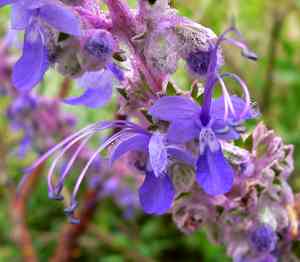
Showcasing violet blossoms and aromatic leaves, wooly Bluecurls flourishes with infrequent trimming. Optimal pruning occurs in late spring or early summer following the blooming period to uphold its structure and stimulate development. Removing faded flowers encourages subsequent flowering. Refrain from severe cutting; rather, selectively shorten elongated stalks to retain the plant's inherent silhouette. Consistent trimming contributes to wooly Bluecurls's enduring vitality and visual attractiveness.
Advantages of Trimming Wooly Bluecurls
Advantages of Trimming Wooly Bluecurls
Trimming wooly Bluecurls promotes a more abundant flowering cycle and can lessen the chance of pest issues and illnesses by eliminating dead or diseased leaves, fostering a healthier and more robust plant.
Optimal Time for Trimming Wooly Bluecurls
Optimal Time for Trimming Wooly Bluecurls
During late spring and early summer, wooly Bluecurls enters a phase of active development after its blooming period. Pruning in these seasons allows the plant to recover quickly and direct its energy into producing new foliage and branches, leading to denser, healthier growth. This timing also ensures that the pruning does not interfere with the plant's flowering period, which is vital for maintaining its aesthetic appeal. Additionally, pruning before the onset of extremely hot or cold seasons helps prevent stress on wooly Bluecurls, which can result from pruning during adverse weather conditions.
Tools Required for Pruning Wooly Bluecurls
Bypass Pruners
Ideal for making clean, precise cuts on wooly Bluecurls's stems. This is crucial for maintaining plant vitality and encouraging proper development. Bypass pruners are designed to cut through live plant material without crushing delicate stems.
Pruning Shears
Perfect for shaping wooly Bluecurls, these shears help create a more controlled and visually appealing form. Their sharp blades can easily cut through the plantâs stems, thus are appropriate for fine-tuning the shape of the plant after the main pruning with bypass pruners.
Gardening Gloves
Protective gloves are advised to prevent any irritation from wooly Bluecurls's foliage during pruning. The use of gloves ensures safety for the gardener throughout the pruning process.
Loppers
For older or woodier stems of wooly Bluecurls, loppers with longer handles provide the necessary leverage to make larger cuts comfortably. This tool is useful if wooly Bluecurls has been allowed to grow larger and requires the removal of stems thicker than what bypass pruners can handle.
How to Prune Wooly Bluecurls
DiseaseRemoval
Examine wooly Bluecurls for any indications of diseased leaves and branches. Using sterilized pruning shears, carefully cut away the affected areas, ensuring the removal of the entire diseased part to prevent the spread of any potential infection.
DeadMaterialRemoval
Identify dead and withered leaves and branches on wooly Bluecurls. Prune these parts back to the point where healthy tissue begins. If a branch is completely dead, it should be removed at the base without harming the main stem.
WitheredFlowerRemoval
Remove withered flowers from wooly Bluecurls by pinching them off with your fingers or snipping with pruning shears. This deadheading process encourages the plant to focus energy on new growth and potential further bloom production.
ThinningExcessiveGrowth
Thin out excessive growth branches on wooly Bluecurls to improve air circulation and light penetration throughout the plant. Cut back these branches to a lateral bud or branch to promote a more compact and healthy growth habit.
Cleanup
After pruning wooly Bluecurls, clear away all debris from the surrounding area to deter pests and diseases. Disinfect your pruning tools with a solution of one part bleach to nine parts water to prevent the spread of disease to other plants.
Common Pruning Errors with Wooly Bluecurls
Over-pruning
Removing too much of wooly Bluecurls's foliage at once can stress the plant, potentially stunting its growth or leading to a decline in health.
Cutting into old wood
Wooly Bluecurls has a limited ability to sprout from old wood. Making cuts into the old, woody growth can result in poor regrowth or a failure to produce new shoots.
Uneven cuts
Making jagged or uneven cuts on wooly Bluecurls can lead to disease and pest infestation. It's essential to use sharp tools to make clean, straight cuts.
Pruning during active flowering
While timing is not the focus here, removing too many flowers can reduce the ornamental value of wooly Bluecurls and decrease its ability to attract pollinators.
General Pruning Advice for Wooly Bluecurls
Sanitization
Always use sterilized pruning tools on wooly Bluecurls to avoid the transmission of diseases from infected plants.
One-third rule
A good practice is to remove no more than one-third of wooly Bluecurls's growth to maintain its structure without overly stressing the plant.
Selective pruning
Target only the specific areas that need thinning or shaping. This encourages wooly Bluecurls to grow more vigorously and maintains its natural form.
Prune for air circulation
Thin out crowded branches to improve air circulation and light penetration, which is beneficial for wooly Bluecurls's overall health and can reduce disease incidence.
Post-flowering trims
Lightly prune wooly Bluecurls following the flowering period to encourage additional bloom production and to keep the plant tidy.



