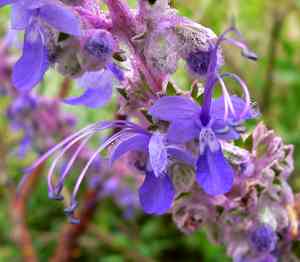
Wooly Bluecurls (Trichostema lanatum)
Also known as: Woolly Blue Curls
Wooly Bluecurls (Trichostema lanatum) is an evergreen perennial shrub that typically reaches heights of 91 to 122 cm and spreads 1.2 to 1.5 meters wide. It features striking blue flower clusters that bloom from spring through fall. For optimal growth, plant Wooly Bluecurls in a sunny location with well-drained soil. This drought-tolerant plant thrives best in conditions that mimic its native Mediterranean climate, requiring minimal water once established.
In This Article
Attributes of Wooly Bluecurls
Lifespan
Perennial
Plant Type
Shrub
Plant Height
91 cm to 1.2 m
Spread
90 cm to 1.2 m
Leaf Color
Green
Flower Size
30 cm
Flower Color
Blue Pink Purple
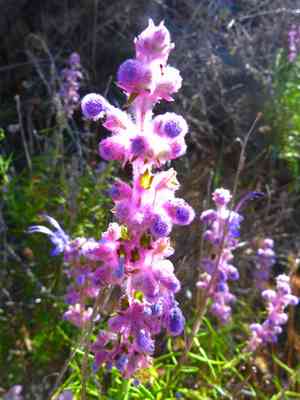
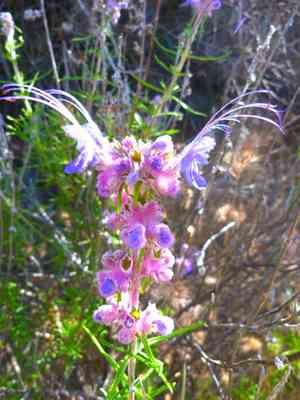
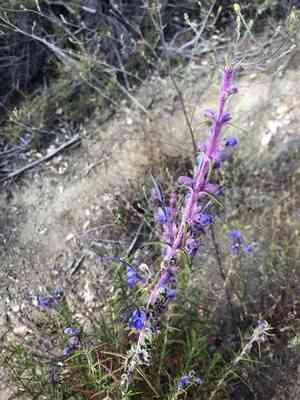
Images of Wooly Bluecurls
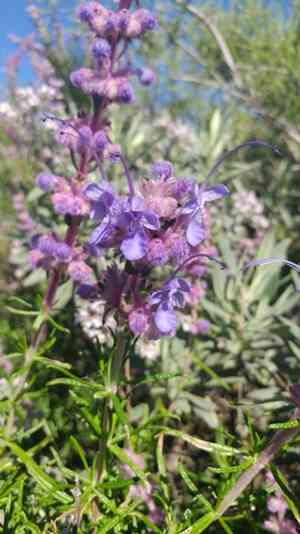
Quickly Identify Wooly Bluecurls
1
Shiny green leaves with white woolly undersides
2
Clusters of vibrant blue flowers with recurved stamens
3
Evergreen shrub reaching 3-4 feet (90-120 cm) in height
4
Foliage colors contrast sharply for easy recognition
5
Blooms from late spring through summer, potentially into fall
Scientific Classification of Wooly Bluecurls
Phylum
Vascular plants
Class
Dicotyledons
Order
Lamiales
Family
Mint
Genus
Trichostema
Species
Wooly Bluecurls
Planting and Growing of Wooly Bluecurls
Care Difficulty
Moderate
Watering Schedule
Every 2 days
Sunlight Requirements
Full sun
Sunshine Duration
4-8 hours
Ideal Temperature
50-75℉
Soil Type
Potting Mix, Peat Mix
Soil pH
6.5-7.5
Fertilizer Type
Balanced
Pruning Season
Spring, Summer
Pruning Area
Branches, Leaves
Pruning Frequency
2 times a year
Repotting Season
Spring
Pot Type
Terracotta, Plastic
 How to Water Wooly Bluecurls?
Trichostema lanatum prefers to have its roots well-drained, so when watering, ensure the soil is moistened thoroughly without becoming waterlogged. A good rule of thumb is to water until you see a bit of drainage at the bottom of the pot, indicating the water has reached the root level.
What are the symptoms of an underwatered Wooly Bluecurls?
›
What should I do if my Wooly Bluecurls is not getting enough water?
›
What are the symptoms of an overwatered Wooly Bluecurls?
›
How to save an overwatered Wooly Bluecurls?
›
 What Are the Sunlight Requirements for Wooly Bluecurls?
Full sun exposure is ideal for Trichostema lanatum, which promotes vibrant flower production and healthy, dense foliage. This light requirement fulfills its energy needs and supports structural strength and longevity.
More About Sunlight Requirements Techniques→
How much light does Trichostema lanatum need daily?
›
What is the best solution to achieve ideal lighting for Woolly Bluecurls?
›
What benefits does Trichostema lanatum gain from ideal lighting?
›
 What Is the Ideal Temperature Range for Wooly Bluecurls?
The ideal temperature range for Trichostema lanatum, commonly known as woolly bluecurls, is between 50 and 75 degrees Fahrenheit. This temperature range supports optimal growth and flowering, providing the necessary warmth for metabolic processes without causing heat stress.
 What Soil is Best for Wooly Bluecurls?
Trichostema lanatum thrives in well-draining soils that prevent water stagnation. This requirement is beneficial as it reduces the risk of root rot and other moisture-related diseases, ensuring healthy growth. This plant does not require overly rich soils. Moderate nutrient levels suffice, promoting sturdy stem development and optimal flowering without excessive vegetative growth. Good soil aeration is crucial for Trichostema lanatum as it enhances root respiration. Aerated soil supports robust root systems, which in turn improves the plant's overall vigor and stress tolerance.
 How to Fertilize Wooly Bluecurls?
Trichostema lanatum, also known as woolly bluecurls, is a plant that thrives on minimal nutrient input, mirroring its natural habitat in nutrient-poor soils. When fertilizing, use a balanced, water-soluble fertilizer at a quarter of the recommended strength, especially if you notice signs of nutrient deficiency. Over-fertilization can lead to undesirable lush growth and flowering reduction, so moderation is key.
 How to Prune Wooly Bluecurls?
Begin your pruning process by identifying any dead, damaged, or diseased branches. Removing these helps improve air circulation and encourages healthy growth. Cut back to the nearest healthy part of the branch to prevent infection spread. Trichostema lanatum can benefit from minimal shaping to promote a bushier appearance. Cut back any excessively long branches to maintain a balanced shape. Ensure cuts are made just above a leaf node to encourage desirable new growth.
More About Pruning Techniques→
 How to Propagate Wooly Bluecurls plant?
1
Harvest seeds when the seed heads have dried on the plant. Gently shake the dry flower heads over a container to collect the seeds. Make sure to store the seeds in a cool, dry place until you are ready to plant.
2
Select healthy, non-flowering shoots from the Trichostema lanatum. Use a sharp, sterile pruning shear to cut 4 to 6-inch lengths and remove the lower leaves, ensuring a few are left to capture sunlight.
3
Use a soil mix that is sandy and well-draining. Plant seeds or place cuttings into the soil with the cut end facing down for cuttings. Water the soil lightly to ensure it's moist but not wet.
 How to Repot Wooly Bluecurls plant?
1
Repotting Trichostema lanatum is best when roots start to circle the pot or emerge from the drainage holes. This typically indicates that the plant has outgrown its current container and will benefit from more space. Also, if you notice reduced flowering or stunted growth, these could be signs that repotting is necessary.
2
Choosing the right pot is crucial. Opt for a pot that is 1-2 inches larger in diameter than the current one to allow for root expansion. Ensure it has ample drainage holes to prevent waterlogging, which could lead to root rot—a well-ventilated pot promotes a healthier root system and better growth.
3
Select a well-draining sandy mix rich in organic matter. This soil type replicates the plant's natural habitat, providing the perfect balance of moisture retention and aeration. It helps prevent overwatering issues while providing essential nutrients for thriving growth.
Learn More About Wooly Bluecurls Diseases
Anthracnose
Bacterial Leaf Spot
Bacterial Soft Rot
Bacterial Wilt
Black Spot
Chemical Injury
Crown Gall
Cyst Nematode
Damping-off
Downy Mildew
Drought Stress
Fusarium Wilt
Gray Mold
Leaf Curl
Leaf Spot
Mosaic
Nutrient Deficiency
Nutrient Toxicity
Powdery Mildew
Root Rot
Root-knot Nematode
Rusts
Sooty Mold
Spider Mites
Temperature Stress
Thrips Damage
White Mold



