The Wooly Bluecurls Plant Advantage: Maximizing Home and Office Appeal and Wellness
1
Wooly Bluecurls draws in helpful pollinators such as bees and butterflies.
2
The fragrant foliage of Wooly Bluecurls has historically been valued for its agreeable aroma.
3
Cultivating Wooly Bluecurls contributes to better soil quality via organic decomposition.
What Makes Wooly Bluecurls Special?
Unique Aesthetic Appeal
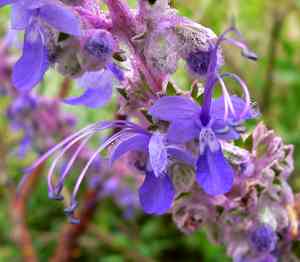
A key characteristic of Wooly Bluecurls is its captivating look. Featuring vivid, fuzzy blue blossoms that appear in impressive clusters, this plant brings a distinctive flair to any garden. Its delicate yet sturdy form makes it an excellent choice for various landscape designs.
Aroma and Sensory Delight
Beyond its visual charm, Wooly Bluecurls is recognized for its fragrant foliage, which emits a pleasant scent. This quality not only enhances the sensory experience of your garden but can also be used in crafts and as a natural home air freshener.
How Does Wooly Bluecurls Benefit Your Garden Ecosystem?
Attracting Beneficial Pollinators
A major advantage of cultivating Wooly Bluecurls is its capacity to draw in pollinators. Bees, butterflies, and other helpful insects are attracted to its bright flowers. These pollinators are crucial for the reproduction of many plants, ensuring your garden's health and variety.
Improving Soil Health
Wooly Bluecurls also contributes to the well-being of garden soil. Its organic matter eventually decomposes and enriches the soil, fostering robust plant development. Additionally, this plant can enhance soil structure and fertility, making it easier for other plants to flourish.
Can Wooly Bluecurls Improve Biodiversity?
Supporting Local Wildlife
By offering nectar and shelter, Wooly Bluecurls supports a range of local fauna, from insects to birds. This, in turn, fosters a more balanced and flourishing garden ecosystem, where diverse species can coexist harmoniously.
Encouraging Native Varieties
Growing Wooly Bluecurls can promote the growth of other indigenous plant types. As a native plant itself, it thrives in local climatic conditions, which can create an environment for other native species to prosper. This practice supports regional biodiversity and helps maintain ecological balance.
How to Care for Wooly Bluecurls in Your Garden?
Optimal Growing Conditions
Wooly Bluecurls thrives best in full sun and well-drained soil. It is relatively tolerant of drought, making it suitable for arid regions. Consistent watering is vital during the initial growth phase but can be reduced once the plant is established.
Common Care Tips
To ensure optimal growth, it's advisable to trim Wooly Bluecurls after blooming to maintain its shape and encourage future flowers. Mulching around the plant's base can help retain moisture and prevent weed growth. Also, monitoring for pests and diseases will keep the plant healthy throughout the year.
Why Should You Consider Growing Wooly Bluecurls?
Low Maintenance Plant
A primary reason to consider adding Wooly Bluecurls to your garden is its minimal upkeep requirements. Once established, it needs little care, making it an excellent choice for both new and experienced gardeners. Its resilience to harsh conditions further adds to its appeal.
Versatile Usage
Wooly Bluecurls is not only a beautiful addition to gardens but can also be used in various practical ways. Its aromatic leaves can be dried for potpourri or incorporated into homemade crafts. Furthermore, its hardy nature makes it ideal for xeriscaping, which focuses on water conservation.
The Environmental Impact of Growing Wooly Bluecurls
Contributing to Sustainability
Cultivating Wooly Bluecurls can be a step towards a more sustainable garden. Its low water needs and ability to enhance soil health contribute to more eco-friendly gardening practices. By choosing plants like Wooly Bluecurls, gardeners can lessen their environmental footprint and support a more sustainable lifestyle.
Encouraging Eco-friendly Practices
Integrating Wooly Bluecurls into your garden promotes thoughtful gardening methods. It acts as a natural companion plant that can deter pests and reduce the need for chemical interventions. This fosters a healthier garden environment and aligns with organic gardening principles.



