How to Prune Leatherleaf spiderwort?
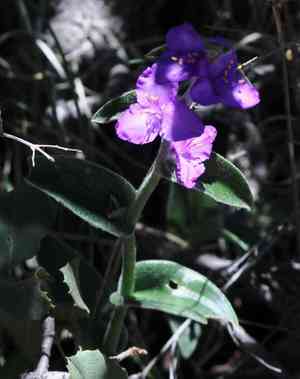
Tradescantia zebrina, recognized for its elongated leaves and vivid blossoms, thrives with regular trimming to preserve its vitality and form. Essential methods involve eliminating withered or compromised leaves and cutting back to stimulate denser development. The ideal period for this is from late winter to early spring, coinciding with its natural growth phase. Consistent trimming prevents excessive stem elongation, fosters abundant blooms, and diminishes the likelihood of illness. Always use sharp, sanitized implements to execute accurate cuts and prevent harm to the specimen.
What Are the Benefits of Pruning Leatherleaf Spiderwort?
What Are the Benefits of Pruning Leatherleaf Spiderwort?
Trimming leatherleaf spiderwort encourages robust development and maintains its form. By eliminating dead or overgrown stems, it improves air circulation, lessens pest problems, and stimulates more vigorous growth. This routine upkeep also aids in managing the plant's size and enhancing its overall look.
What Is the Best Time for Pruning Leatherleaf Spiderwort?
What Is the Best Time for Pruning Leatherleaf Spiderwort?
Leatherleaf spiderwort is best trimmed in early spring or late winter, as these times precede its active growth phase. Pruning during these periods allows the plant to recover swiftly as it enters its strong growth cycle. This timing also ensures that trimming does not disrupt the plant's blooming period, thus preserving its health and visual appeal. Additionally, cutting back in these seasons helps shape the plant and remove any dead or damaged foliage that may have occurred during colder months.
What Tools Do I Need to Prune Leatherleaf Spiderwort?
Pruning Shears (Bypass Pruners)
Perfect for making neat cuts on delicate stems due to their scissor-like action, which causes less harm to the plant's tissue.
Horticultural Scissors
Useful for precise trimming and deadheading to encourage more flowers.
Garden Gloves
Essential for protecting hands during pruning, as leatherleaf spiderwort can cause mild skin irritation.
How to Prune Leatherleaf Spiderwort
Inspecting
Start by closely examining leatherleaf spiderwort to find any diseased or withered leaves. These plant parts can indicate areas needing immediate attention and removal.
Tools
Prepare and sanitize pruning shears or scissors to prevent disease spread. Sterilization can be done using a mixture of one part household bleach to nine parts water.
Removal diseased leaves
Carefully snip off any diseased leaves, cutting as close to the main stem as possible without harming healthy tissue. Dispose of these leaves to stop disease from spreading to other plant parts.
Removal withered leaves
Trim withered leaves by making clean cuts just above the healthy section of the plant. This helps maintain the plant's structure and promotes new growth.
Clean up
Clean up and properly dispose of all trimmed parts. This reduces the chance of any pathogens spreading in your garden area and keeps the planting space tidy.
Common Pruning Mistakes with Leatherleaf Spiderwort
Over-pruning
Removing too many stems or leaves can stress leatherleaf spiderwort, weakening it and reducing its ability to produce new growth.
Pruning at the wrong plant nodes
Cutting above incorrect nodes can lead to awkward growth patterns or damage to the plant's structure.
Using dull or dirty tools
Pruning with dull blades can crush stems instead of cleanly cutting them, and using dirty tools can introduce diseases to leatherleaf spiderwort.
Ignoring diseased or damaged parts
Failing to remove sick or damaged sections can allow pests and diseases to spread throughout leatherleaf spiderwort.
Not considering the plant's natural shape
Pruning without regard for leatherleaf spiderwort's natural growth habit can result in an unattractive and unhealthy appearance.
Common Pruning Tips for Leatherleaf Spiderwort
Maintain cleanliness
Always sanitize pruning tools before and after use to prevent disease spread. Use rubbing alcohol or a bleach solution for disinfecting.
Make clean cuts
Ensure pruning shears are sharp to make precise, clean cuts that heal quickly and reduce plant stress.
Cut at proper nodes
Prune just above leaf nodes to encourage healthy regrowth. Identify nodes where new branches or leaves can sprout.
Remove dead or damaged parts
Regularly inspect leatherleaf spiderwort and trim away any dead, diseased, or damaged parts to promote overall plant health.
Thin selectively
Focus on thinning out congested areas to improve air circulation and light penetration, which can help prevent fungal diseases.
Step back to assess
Periodically step back to assess the overall shape and balance of the plant during pruning to ensure you are maintaining leatherleaf spiderwort's natural form and aesthetics.



