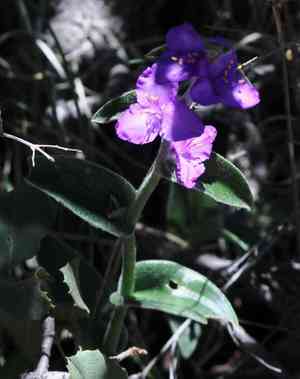
Leatherleaf spiderwort (Tradescantia crassifolia)
Also known as: Thick-leaved Spiderwort
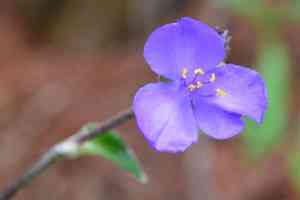
Leatherleaf spiderwort (Tradescantia virginiana) thrives in arid environments thanks to its succulent, glossy leaves that effectively conserve water. These leaves are densely packed along robust, spreading stems, creating a lush ground cover. The plant also features delicate, three-petaled flowers in hues of purple or pink, which attract pollinators to its low-lying growth.
In This Article
Attributes of Leatherleaf spiderwort
Lifespan
Perennial
Plant Height
30 to 60 cm
Spread
Approximately 30 cm
Leaf Color
Green
Flower Size
2 to 3 cm
Flower Color
Purple
Images of Leatherleaf spiderwort
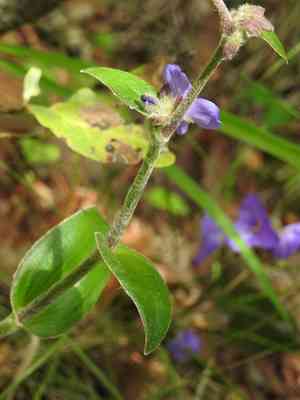
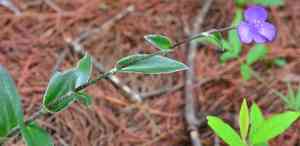
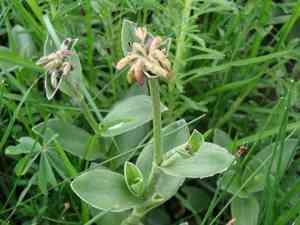
Quickly Identify Leatherleaf spiderwort
1
Look for its thick, fleshy leaves and bright, purplish flowers. The leaves are usually narrow and lance-shaped.
Scientific Classification of Leatherleaf spiderwort
Phylum
Vascular plants
Class
Monocotyledons
Order
Commelinales
Family
Spiderwort
Genus
Spiderworts
Species
Leatherleaf spiderwort
Planting and Growing of Leatherleaf spiderwort
Care Difficulty
Easy
Watering Schedule
Every 3 days
Sunlight Requirements
Partial sun
Sunshine Duration
4-8 hours
Ideal Temperature
65-75℉
Soil Type
Potting Mix, Peat Mix
Soil pH
6.5-7.5
Fertilizer Type
Balanced
Pruning Season
Spring, Summer
Pruning Area
Branches, Leaves
Pruning Frequency
2 times a year
Repotting Season
Spring
Pot Type
Terracotta, Plastic
 How to Water Leatherleaf spiderwort?
When watering Tradescantia crassifolia, ensure the soil is moist but not soggy. Water approximately 200 ml each time, adjusting based on pot size. It is crucial to water thoroughly, allowing water to drain from the bottom, ensuring the roots receive adequate moisture while preventing waterlogging.
What are the symptoms of an underwatered Leatherleaf spiderwort?
›
What should I do if my Leatherleaf spiderwort is not getting enough water?
›
What are the symptoms of an overwatered Leatherleaf spiderwort?
›
How to save an overwatered Leatherleaf spiderwort?
›
 What Are the Sunlight Requirements for Leatherleaf spiderwort?
Tradescantia crassifolia prefers partial sun with around 4-6 hours of exposure. This balance promotes robust growth, vibrant color retention, and overall plant health without the risks of leaf scorch.
How much sunlight does Tradescantia crassifolia need?
›
What are the solutions for providing ideal sunlight conditions?
›
What benefits come from ideal sunlight conditions?
›
 What Is the Ideal Temperature Range for Leatherleaf spiderwort?
What is the ideal temperature range for Tradescantia crassifolia growth? The ideal temperature range for Tradescantia crassifolia is between 65°F and 75°F. This range ensures optimal growth and health of the plant, providing a comfortable environment similar to its native habitat.
 What Soil is Best for Leatherleaf spiderwort?
Tradescantia crassifolia thrives in soil that allows excess water to drain quickly. This prevents root rot and ensures the roots receive sufficient oxygen, promoting healthy growth. A soil rich in organic matter is ideal for this plant as it provides essential nutrients and supports its vibrant foliage. Incorporating compost can enhance soil fertility significantly. While well-draining, the soil should retain enough moisture to keep the plant hydrated between waterings. This balance is crucial to prevent stress and maintain lushness.
 How to Fertilize Leatherleaf spiderwort?
When fertilizing Tradescantia crassifolia, use a balanced liquid fertilizer at half strength to avoid overwhelming the plant. For slow-release fertilizers, apply a small amount, about the size of a teaspoon, evenly near the base of the plant to ensure slow nutrient release.
 How to Prune Leatherleaf spiderwort?
Assess the plant to identify any leggy, overgrown, or dead sections that would benefit from trimming. Focus on areas with sparse foliage or unsightly stems. Using your sterilized tools, carefully make cuts at a 45-degree angle just above a node. This encourages the plant to redirect energy to the node, promoting a fuller and healthier appearance. After pruning, consider fertilizing with a balanced liquid fertilizer to support new growth. Ensure the plant receives adequate light and water to recover and flourish post-pruning.
More About Pruning Techniques→
 How to Propagate Leatherleaf spiderwort plant?
1
Choose healthy, mature stems free from diseases or pests. Look for stems with several nodes as these are the points where new roots will form.
2
Cut 4 to 6-inch sections from the parent plant, ensuring each section has at least one node. Remove the leaves from the lower portion of the stem to expose the nodes.
3
Dip the cut end into rooting hormone powder and plant the cutting into a pot with well-draining soil. Water lightly to settle the soil around the stem.
 How to Repot Leatherleaf spiderwort plant?
1
Tradescantia crassifolia should be repotted when you notice roots circling the bottom of the pot or peeking through the drainage holes. Another sign is when the plant's growth significantly reduces despite proper care. Spring and summer are ideal seasons as the plant is actively growing, making it more resilient to the stress of repotting.
2
Select a pot that is one size larger than the current one, with good drainage holes at the bottom. A slightly wider pot than deep can prevent root rot by allowing excess moisture to escape. Clay or terracotta pots are ideal as they help absorb moisture, but any material with a drainage hole will work.
3
Use a well-draining potting mix that's light and aerated. A mix containing peat, perlite, and sand is perfect as it ensures enough moisture is retained without waterlogging the roots, thus preventing root rot and promoting healthy growth.



