How to Propagate Leatherleaf spiderwort?
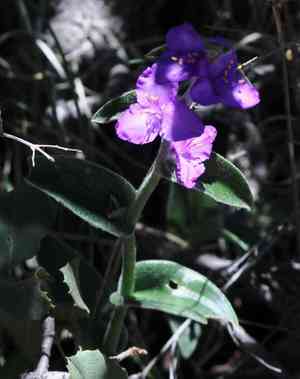
Tradescantia pallida is a perennial plant recognized for its appealing, extended foliage and lovely flowers. To achieve effective propagation, utilize new seeds, making sure they are planted in soil that drains properly and has steady moisture. Keep the surroundings warm and shield juvenile seedlings from severe climatic conditions. After they are rooted, seedlings develop vigorously with little upkeep, swiftly becoming an engaging feature in outdoor spaces.
Optimal Period for Propagating Leatherleaf Spiderwort
Propagation Method
Seeding
Propagation Period
Spring
Tools Required for Leatherleaf Spiderwort Propagation
Seed Trays or Flats
These are vital for offering a controlled setting for the germination of leatherleaf spiderwort seeds. Select trays with effective drainage to avert waterlogging, which can induce root decay.
Premium Seed Starting Mix
A well-draining, sterile seed starting medium is essential for the healthy sprouting of leatherleaf spiderwort seeds. It guarantees that young seedlings obtain the correct balance of air, moisture, and nutrients.
Heat Mat
This device delivers consistent warmth to the seed trays, which can accelerate germination and foster uniform growth for leatherleaf spiderwort. Leatherleaf spiderwort seeds thrive with a steady temperature around 70-75°F.
Spray Bottle
Utilized for misting the surface of the seed starting mix, a spray bottle aids in keeping the seeds consistently moist without disturbing them. This is crucial for the delicate seeds and seedlings of leatherleaf spiderwort.
Humidity Dome
This plastic cover maintains elevated humidity levels around the seeds, creating a greenhouse effect that is favorable for the germination of leatherleaf spiderwort.
Labeling Stakes
Labels ensure you can track various stages of leatherleaf spiderwort's development and distinguish different seed batches, especially useful in larger propagation setups.
Fine Sieve
Employ this to sift the seed starting mix if it contains large particles. A fine, uniform texture is advantageous for the delicate roots of emerging leatherleaf spiderwort seedlings.
Sharp, Sterilized Knife or Scalpel
While primarily employed in cutting propagations, a sharp instrument may be necessary for pricking out and transplanting the young seedlings of leatherleaf spiderwort without causing harm.
How to Propagate Leatherleaf Spiderwort?
Propagation Type
Simple
Caring for Your Newly Propagated Leatherleaf Spiderwort
Caring for Your Newly Propagated Leatherleaf Spiderwort
Once seedlings have developed a few true leaves, they can be carefully moved to individual pots. Ensure the soil stays consistently moist but drains well. Provide bright, indirect light and avoid direct harsh sun. Regularly check for pests and diseases. As plants establish, gradually reduce watering frequency to prevent root rot. Fertilize monthly with a balanced, water-soluble fertilizer during the growing season.
Common Errors to Avoid When Propagating Leatherleaf Spiderwort
Overwatering
Excessive soil moisture can lead to root rot and fungal infections, potentially hindering root development and causing plant demise.
Improper Cutting Techniques
Using dull or unclean tools can harm cuttings and introduce pathogens, reducing the viability of the propagating material.
Incorrect Soil Mix
Employing heavy or dense soil can suffocate roots and result in poor drainage, potentially leading to slow growth or plant deterioration.
Inadequate Light
Insufficient light can result in weak, leggy growth and poor root development in cuttings.
Tips For Propagating Leatherleaf Spiderwort
Use Well-Drained Soil
Ensure the soil mixture is light and drains effectively to provide adequate aeration and prevent waterlogging.
Use Clean, Sharp Tools
Sterilize cutting tools before use to prevent disease spread and ensure clean cuts that promote healthy rooting.
Appropriate Watering
Maintain consistent moisture without overwatering. Allow the soil to dry slightly between waterings to prevent root rot.
Provide Adequate Light
Place cuttings in a bright location with indirect sunlight to promote strong, healthy growth. Avoid direct sunlight which can be too harsh for new cuttings.
Monitor Temperatures
Keep the environment temperate, avoiding temperature extremes which can stress cuttings and slow down root development.



