How to Prune Hooker's townsend daisy?
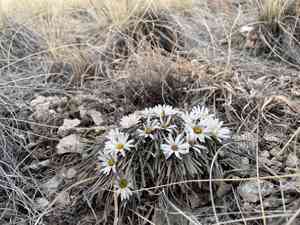
Townsendia hookeri, a compact, perennial plant, displays vivid, daisy-like blossoms. Essential trimming entails removing faded flowers post-bloom to encourage additional flowering and preserve a neat appearance. The most suitable periods for pruning are late spring, summer, or early autumn, coinciding with its flowering phases. Consistent elimination of aged blooms improves the plant's aesthetic and vitality by averting energy expenditure on seed formation, thereby fostering more prolific, robust development.
What Are the Benefits of Pruning Hooker's Townsend Daisy?
What Are the Benefits of Pruning Hooker's Townsend Daisy?
Trimming hooker's townsend daisy encourages robust development and maintains its compact form, crucial for peak health and visual appeal. This practice promotes denser foliage and more abundant blooms, enhancing its overall presentation in garden settings.
What Is the Best Time for Pruning Hooker's Townsend Daisy?
What Is the Best Time for Pruning Hooker's Townsend Daisy?
Pruning hooker's townsend daisy during Spring, Summer, and Fall aligns with its active growing periods, promoting vigorous growth and maintaining optimal plant health. Spring pruning helps stimulate new growth and enhance flowering. Summer pruning is ideal for shaping the plant or controlling its size, and can also help in removing any diseased or damaged stems that can occur due to increased plant activity and vulnerability during these warmer months. Fall pruning, meanwhile, should be lighter, focusing on removing spent blooms and preparing the plant for winter, while avoiding significant cuts that could lead to frost damage to new growths.
What Tools Do I Need to Prune Hooker's Townsend Daisy?
Hand Pruners
These are essential for precise trimming of hooker's townsend daisy. Given its small, delicate foliage, hand pruners enable careful removal of old or dead flowers without harming the rest of the plant.
Gardening Scissors
These are perfect for the thinner, more delicate stems that hooker's townsend daisy might possess. Gardening scissors offer the accuracy needed to shape the plant without causing undue harm to its structure.
How to Prune Hooker's Townsend Daisy
Identify
Carefully examine hooker's townsend daisy to pinpoint and mark diseased and withered leaves, as well as dead and unhealthy branches. This step focuses on locating the specific parts of hooker's townsend daisy that require trimming to foster its healthy development.
Clean tools
Ensure all pruning implements are clean and sharp. Sanitize them with isopropyl alcohol or a similar disinfectant to prevent disease transmission between plants. This is vital before starting the pruning process to guarantee clean cuts that heal quickly.
Cut leaves
Using sharp scissors or pruning shears, carefully remove the diseased and withered leaves. Cut each leaf at its base where it connects to the stem or main branch, taking care not to damage adjacent healthy tissue.
Cut branches
Trim dead and diseased branches by cutting just above a healthy branch junction or bud. Ensure cuts are made at a 45-degree angle to facilitate water runoff and prevent waterlogging at the cut site, which could lead to further disease.
Cleanup
Gather all removed leaves and branches and dispose of them properly to prevent the spread of any pathogens present in the diseased parts. Do not compost diseased plant material as this can contaminate the compost.
Common Pruning Mistakes with Hooker's Townsend Daisy
Over-pruning
A common error made by gardeners is removing too much of hooker's townsend daisy's foliage or flowers at once. This can excessively stress the plant, hindering its ability to thrive and making it susceptible to diseases.
Incorrect cutting technique
Using dull tools or employing improper cutting methods can damage hooker's townsend daisy's delicate stems, impeding proper regrowth and potentially introducing disease to the wound sites.
Ignoring plant health
Attempting to prune when hooker's townsend daisy is already stressed (e.g., during a drought or pest infestation) can further weaken it. Pruning should ideally be done when the plant is in its best health to recover and grow vigorously.
Common Pruning Tips for Hooker's Townsend Daisy
Using sharp tools
To prevent damaging hooker's townsend daisy, always use sharp, clean pruning shears. This ensures clean cuts that heal quickly, minimizing stress and the risk of disease.
Selective thinning
Instead of cutting back large portions of hooker's townsend daisy, selectively remove dead or overcrowded stems. This improves air circulation and light penetration, encouraging healthier growth and flowering.
Shape maintenance
While shaping hooker's townsend daisy, always prioritize maintaining a natural appearance. Avoid overly sculpting or shaping the plant, which can inhibit natural growth patterns and reduce blooming.



