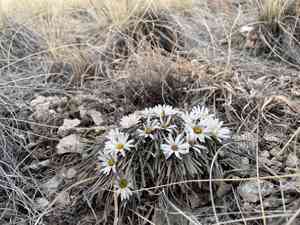
Hooker's townsend daisy (Townsendia hookeri)
Also known as: Easter Daisy, Hooker's Townsend Daisy
Hooker's townsend daisy is named after the 19th-century botanist William Jackson Hooker. Despite its resemblance to related species, it can be identified by its unique stemless flowers, which set it apart from similar plants.
In This Article
Attributes of Hooker's townsend daisy
Lifespan
Perennial
Plant Type
Herb
Plant Height
5-15 cm
Spread
10-30 cm
Leaf Color
Green Silver Gray
Flower Size
2-4 cm
Flower Color
White Yellow
Images of Hooker's townsend daisy
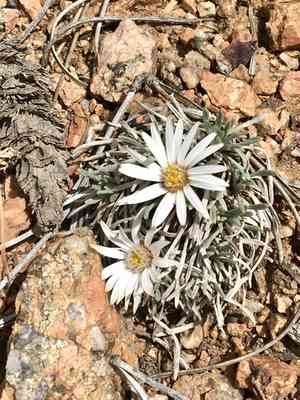
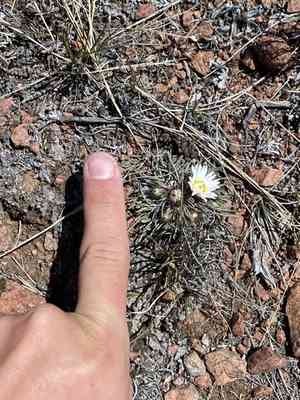
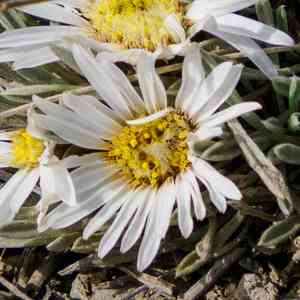
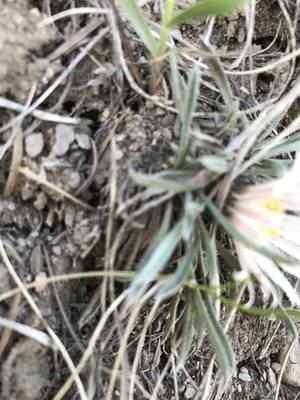
Quickly Identify Hooker's townsend daisy
1
Look for small, daisy-like flowers with white petals and yellow centers. The leaves are generally narrow and densely packed around the base of the plant. It typically grows low to the ground.
Scientific Classification of Hooker's townsend daisy
Phylum
Vascular plants
Class
Dicotyledons
Order
Asterales
Family
Daisy
Genus
Townsend daisy
Species
Hooker's townsend daisy
Planting and Growing of Hooker's townsend daisy
Care Difficulty
Easy
Watering Schedule
Every day
Sunlight Requirements
Full sun
Sunshine Duration
6-10 hours
Ideal Temperature
55-75℉
Soil Type
Potting Mix, Peat Mix
Soil pH
6.5-7.5
Fertilizer Type
Balanced
Pruning Season
Spring, Summer
Pruning Area
Branches, Leaves
Pruning Frequency
2 times a year
Repotting Season
Spring
Pot Type
Plastic, Ceramic
 How to Water Hooker's townsend daisy?
Water Townsendia hookeri sparingly, respecting its natural desert habitat. Wet the soil thoroughly, ensuring that the water drains quickly without pooling. This mimics the brief but intense rains of its native environment.
What are the symptoms of an underwatered Hooker's townsend daisy?
›
What should I do if my Hooker's townsend daisy is not getting enough water?
›
What are the symptoms of an overwatered Hooker's townsend daisy?
›
How to save an overwatered Hooker's townsend daisy?
›
 What Are the Sunlight Requirements for Hooker's townsend daisy?
This plant thrives in full to partial sun, ensuring it receives optimal sunlight yields vibrant blooms and a healthy growth rate. Ideal lighting invigorates metabolic processes, crucial for robust health.
What is the ideal sun exposure for Townsendia hookeri?
›
How can one ensure optimal lighting for this plant indoors?
›
Why is sunlight crucial for Townsendia hookeri?
›
 What Is the Ideal Temperature Range for Hooker's townsend daisy?
The ideal temperature range for cultivating Townsendia hookeri is between 55°F and 75°F. These temperatures mimic the plant's natural habitat, ensuring optimal growth and flowering. By maintaining this range, growers can create a stable environment that supports the plant's overall health and blooming potential.
 What Soil is Best for Hooker's townsend daisy?
Townsendia hookeri thrives in well-drained soils which prevent waterlogging that can lead to root rot. This soil requirement ensures that the plant's roots get enough oxygen, promoting healthy growth and preventing disease. This plant prefers soils that are not too rich in nutrients, aligning with its natural habitat in nutrient-poor environments. This helps maintain its compact growth form and prevents excessive foliage at the expense of flower production. With a tolerance for slightly acidic to neutral pH levels (6.5 to 7.5), it is important to ensure the soil doesn't become too acidic or alkaline, which can affect nutrient uptake and overall health.
 How to Fertilize Hooker's townsend daisy?
For Townsendia hookeri, the fertilizer amount should be modest as over-fertilization can harm the plant. Use a diluted liquid fertilizer at half-strength for liquid feeding. For slow-release fertilizers, apply approximately one teaspoon per plant, making sure to sprinkle it evenly around the base.
 How to Prune Hooker's townsend daisy?
Start by inspecting the plant closely and removing any dead or damaged leaves and stems. This encourages new growth and prevents disease. Make clean cuts just above the base or at a nodal intersection to promote healthy regrowth. Trim back any overgrown or errant stems that disrupt the compact shape of Townsendia hookeri. Aim for a balanced and aesthetically pleasing shape. This not only enhances its appearance but also allows for better air circulation within the plant. Prune spent flowers promptly to encourage continuous blooming throughout the season. This is known as deadheading and is essential for maintaining a vibrant display of flowers. Cut back the flower stalk to a set of healthy leaves to stimulate new buds.
More About Pruning Techniques→
 How to Propagate Hooker's townsend daisy plant?
1
To propagate using seeds, sow the seeds thinly in a seed tray filled with well-draining soil. Cover them lightly with vermiculite and keep them moist until germination, which typically occurs in a few weeks.
2
For division propagation, gently dig up a mature plant and carefully separate the root clumps. Plant these divisions in well-prepared soil with adequate spacing to allow future growth.
3
Once seedlings have developed multiple true leaves and are strong enough, transplant them to a permanent location. Choose a spot with the right sunlight and soil conditions for optimal growth.
 How to Repot Hooker's townsend daisy plant?
1
Repotting should be considered when Townsendia hookeri shows signs of outgrowing its current container. Look for roots protruding from the drainage holes or a noticeable slowdown in growth. These are indicators that the plant needs more space and potentially more nutrients from fresh soil.
2
Select a pot that is slightly larger than the current one, with ample drainage holes. This helps prevent root rot and facilitates proper airflow in the soil. The pot's material should also allow soil to dry quickly, improving overall plant health.
3
Opt for a well-draining cactus mix to replicate the natural rocky and fast-draining habitats of Townsendia hookeri. This type of soil prevents excess moisture retention, which can lead to root rot, allowing the plant to thrive in similar conditions to its native environment.



