How to Prune Yellow hawkweed?
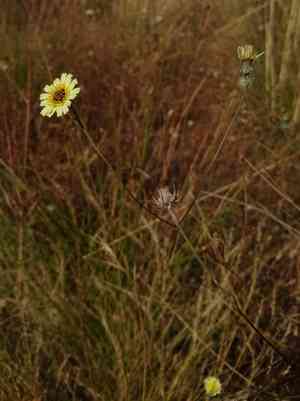
The resilient perennial Hieracium caespitosum, recognized by its daisy-like yellow blossoms and invasive tendencies, greatly benefits from targeted trimming to control its proliferation and foster more vibrant flowers. Trimming ought to be performed in late spring or early summer subsequent to blooming to avert self-propagation and encourage thicker foliage. Consistent removal of spent flowers aids in preserving vitality and aesthetic appeal. This method is crucial not merely for regulating Hieracium caespitosum but also for elevating its decorative contribution within a garden environment.
What Are the Benefits of Pruning Yellow Hawkweed?
What Are the Benefits of Pruning Yellow Hawkweed?
Trimming yellow hawkweed encourages robust development and maintains its form, leading to a denser, more appealing plant. Regular trimming also helps prevent excessive growth that could detract from garden beauty and ease of care.
What Is the Best Time for Pruning Yellow Hawkweed?
What Is the Best Time for Pruning Yellow Hawkweed?
Trimming yellow hawkweed in Spring and Summer aligns with its active growth periods, allowing the plant to quickly recover and direct energy towards new flowers or foliage. Spring pruning, as growth resumes, helps remove dead or damaged parts from winter, fostering a healthier, more vigorous plant. Summer pruning, especially after the initial bloom, can stimulate a second flowering and helps maintain the desired shape and size of yellow hawkweed, improving its overall look and vitality.
What Tools Do I Need to Prune Yellow Hawkweed?
Hand pruners or secateurs
These sharp implements are perfect for making clean cuts on the softer, herbaceous stems of yellow hawkweed, minimizing plant tissue damage and promoting healthy regrowth.
Gardening gloves
Though not a cutting tool, gloves are crucial for protecting hands from thorns and sharp edges while trimming yellow hawkweed.
Garden shears
For cutting back larger clusters or overgrown sections, garden shears enable quick and efficient trimming, making them suitable for managing yellow hawkweed's spreading habit.
How to Prune Yellow Hawkweed
Identify
Locate all diseased and withered leaves on yellow hawkweed. Carefully inspect the plant, looking for signs such as discoloration, spots, or wilting that indicate unhealthy conditions.
Sanitize
Before beginning the pruning process, disinfect your pruning tools. Use a solution of 1 part bleach to 9 parts water to clean the blades, preventing the spread of disease among yellow hawkweed. Allow the tools to air dry.
Pruning leaves
Carefully remove diseased and withered leaves from yellow hawkweed. Use your sanitized pruning shears to cut the leaves at their base where they meet the stem. Make clean cuts to avoid tearing, which could harm yellow hawkweed.
Pruning stems
Examine yellow hawkweed for any diseased stems. Use your pruning shears to cut these stems back to a healthy section, ensuring no diseased tissue remains. If the entire stem is affected, remove it at the base.
Cleanup
Gather all removed leaves and stems and dispose of them properly. Do not compost diseased material as it may harbor pathogens that could infect other plants. Cleaning up debris helps maintain a healthy environment for yellow hawkweed.
Common Pruning Mistakes with Yellow Hawkweed
Overpruning
Removing too much foliage from yellow hawkweed at once can stress the plant, leading to weakened growth and fewer flowers. Aim to remove no more than one-third of the total growth in a single pruning session.
Incorrect cuts
Making cuts too far from the node or bud can result in unsightly and potentially harmful stubs. Ensure cuts are made close to but not directly against the buds to promote healthy regrowth.
Pruning during active growth
Cutting back yellow hawkweed during its active growth phases can disrupt its natural growth and flowering cycles. It's crucial to understand the growth pattern before pruning, even though the best season isn't discussed here.
Neglecting tools maintenance
Using dull or dirty pruning tools can damage the stems of yellow hawkweed, leading to jagged cuts that heal poorly and may introduce disease. Always use sharp, clean shears for pruning.
Common Pruning Tips for Yellow Hawkweed
Selective thinning
Focus on thinning out crowded areas to improve light penetration and air circulation within yellow hawkweed, which helps reduce disease risk and promotes even growth.
Pruning for shape
Shape yellow hawkweed by carefully selecting and removing unruly or disproportionately long stems. This maintains the plantâs natural form and enhances its aesthetic appeal in the garden.
Deadheading
Regularly remove spent flowers of yellow hawkweed to encourage more blooms and extend the flowering period. This keeps the plant looking tidy and focuses energy on healthy growth and flower production.
Post-pruning care
After pruning, provide yellow hawkweed with ample water and possibly a balanced, slow-release fertilizer to support recovery and robust growth following the stress of pruning.



