The Yellow hawkweed Plant Advantage: Maximizing Home and Office Appeal and Wellness
1
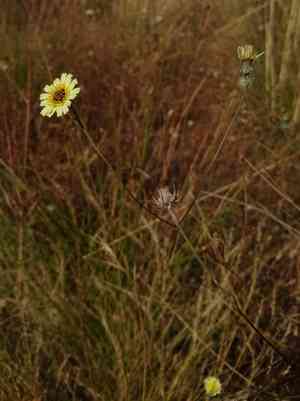
Features bright yellow blooms that draw in beneficial insects.
2
Needs little upkeep, ideal for those with limited time for gardening.
3
Flourishes across diverse soil compositions and environments.
Why Select Yellow Hawkweed for Your Garden?
Attracts Pollinators
A key advantage of Yellow hawkweed is its capacity to draw in diverse pollinators, such as bees, butterflies, and other beneficial insects. Its vibrant yellow blossoms are not only visually appealing but also act as a signal for these vital creatures. By cultivating Yellow hawkweed, you're not just enhancing your garden's beauty but also supporting the crucial ecosystem services that pollinators offer. This can lead to improved fruit and vegetable yields if you have other flowering plants or crops nearby.
Low Maintenance
For those desiring a beautiful garden without constant upkeep, Yellow hawkweed is an excellent choice. This plant is remarkably resilient and requires minimal care once established. It tolerates drought and can flourish in various soil types, making it perfect for gardeners of all skill levels. Occasional watering and the removal of faded flowers are typically all that's needed to keep Yellow hawkweed looking its best. Its robust nature ensures even new gardeners can enjoy a thriving display with little effort.
The Adaptability of Yellow Hawkweed in Landscape Design
Ground Cover
If you're seeking an effective and attractive ground cover, Yellow hawkweed is a superb option. Its spreading growth habit allows it to quickly fill in bare spots, creating a lush carpet of foliage and bright blooms. This can be especially useful for preventing soil erosion on slopes or in areas where grass struggles to grow. The dense coverage not only boosts your garden's visual appeal but also suppresses weed growth, reducing the need for chemical herbicides.
Container Gardening
Not everyone possesses ample garden space, but that doesn't mean you can't enjoy the advantages of Yellow hawkweed. This plant is well-suited for container cultivation, making it a versatile addition to any balcony, patio, or small garden. Select a large pot with good drainage, and fill it with a quality potting mix. Yellow hawkweed will thrive and bring a burst of color to your confined areas. Furthermore, container gardening allows you to reposition the plant to capture optimal sunlight or shield it from harsh weather.
Environmental Benefits of Cultivating Yellow Hawkweed
Soil Health Improvement
Growing Yellow hawkweed can also positively impact soil health. The plant's extensive root system helps to aerate the soil and enhance its structure. This can be particularly advantageous in compacted soil conditions, aiding in water penetration and root growth for other plants in your garden. Additionally, as the plant decays, it returns organic matter to the soil, enriching it with nutrients and improving its overall fertility.
Eco-Friendly Landscaping
In today's world, environmentally conscious landscaping practices are more crucial than ever. Choosing Yellow hawkweed for your garden helps lessen your ecological footprint. Its drought tolerance means you'll use less water, which is vital in regions facing water scarcity. Moreover, by providing a habitat for pollinators and other beneficial insects, you contribute to biodiversity and the health of local ecosystems. This eco-friendly choice supports sustainable gardening practices that benefit both your garden and the planet.
How to Care for Yellow Hawkweed
Optimal Growing Conditions
Yellow hawkweed flourishes in full sun to partial shade and prefers well-drained soil. While it adapts to various soil types, including sandy and loamy soils, ensuring proper drainage is crucial to prevent root rot. Plant Yellow hawkweed in an area where it receives at least six hours of daily sunlight for the best flowering results. If your soil is heavy clay, consider amending it with organic matter to improve drainage and provide a more favorable environment for the plant.
Watering and Fertilization
Although Yellow hawkweed is drought-tolerant, consistent watering will encourage vigorous growth and abundant blooms. During its initial growing season, water the plant deeply and regularly to help establish a robust root system. Once mature, Yellow hawkweed can endure dry periods but will benefit from occasional watering during prolonged droughts. Fertilization is generally not required, but a light application of a balanced, slow-release fertilizer in spring can boost growth and flowering. Avoid excessive fertilization, as this can lead to lush foliage at the expense of flowers.
Common Issues and Solutions
Pests and Diseases
Yellow hawkweed is relatively resistant to pests and diseases, but like all plants, it can occasionally be affected by common garden pests such as aphids or spider mites. Regular inspection of your plants can help detect any infestations early. If you notice pests, a strong spray of water can dislodge them, or you can use insecticidal soap for more severe outbreaks. Regarding diseases, good air circulation and proper watering practices will prevent most fungal problems. Ensure the soil drains well, and avoid wetting the foliage when watering.
Handling Overgrowth
Yellow hawkweed can sometimes grow vigorously, especially in ideal conditions, necessitating periodic trimming. If the plant begins to spread beyond its desired area, you can prune it back to maintain its shape and size. Removing spent flowers will not only keep the plant looking neat but can also encourage more blooms. In late autumn, cutting the plant back to about one-third of its size will prepare it for winter and promote healthy growth in the spring.



