How to Prune Southern needleleaf?
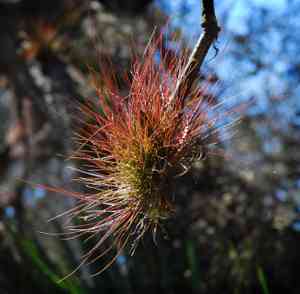
Characterized by slender, acicular foliage and a silvery-green hue, southern needleleaf needs infrequent trimming to preserve its well-being and form. Optimal pruning sessions are best conducted in late winter or early spring when the plant exhibits reduced activity. Removing deceased or excessively grown leaves facilitates adequate air movement and sunlight penetration, thereby improving its general robustness. Performing this maintenance during this period assists in upholding the plant's architecture without disrupting its inherent growth pattern, thereby elevating both its visual charm and vitality.
Advantages of Trimming Southern Needleleaf
Advantages of Trimming Southern Needleleaf
Trimming southern needleleaf promotes robust development and sustains its compact, appealing form. Consistent cutting helps channel energy to healthy foliage and offshoots, ensuring a strong, fuller look.
Optimal Period for Pruning Southern Needleleaf
Optimal Period for Pruning Southern Needleleaf
Pruning or trimming southern needleleaf is most effective in late winter and early spring to align with its growth cycle and maximize vitality. During late winter, southern needleleaf is typically in a dormant or less active growth phase, making it an ideal time for pruning without causing stress or excessive sap loss. Early spring offers a similar benefit, as southern needleleaf begins to emerge from dormancy and is about to initiate new growth. Trimming at this time aids in shaping the plant and removing any dead or damaged sections, which in turn facilitates vigorous and healthier growth as the active season progresses. Furthermore, pruning before the onset of new growth ensures that the plant's energy is directed towards developing strong, healthy new shoots rather than sustaining older, possibly unproductive or diseased parts.
Tools Required for Pruning Southern Needleleaf
Sharp scissors or small pruning shears
Given the delicate structure and size of southern needleleaf's leaves, sharp scissors or small pruning shears are perfect. They enable precise cuts without harming nearby foliage.
Tweezers
Southern needleleaf may necessitate the removal of dead or brown leaves at its base or between its narrow leaves. Tweezers are excellent for this detailed work, especially in confined areas without disturbing the rest of the plant.
How to Prune Southern Needleleaf
Identify
Locate and select the diseased or withered leaves on southern needleleaf. These are typically leaves that appear brown, discolored, or shriveled compared to the vibrant and stiff healthy leaves characteristic of southern needleleaf.
Prepare
Prepare sanitized pruning tools to prevent disease transmission. Use sharp scissors or pruning shears that have been cleaned with alcohol or a bleach solution. This ensures that any potential pathogens are not transferred during the pruning process.
Trim
Carefully cut the chosen diseased or withered leaves at their base, close to the main stem of southern needleleaf. Avoid pulling the leaves as this can cause damage to the healthy parts of the plant. Make a clean cut to promote quicker healing.
Dispose
Properly discard the removed leaves by placing them in a garbage bag to avoid contaminating other plants or areas. Do not compost these leaves since they might harbor pathogens or pests that could spread.
Monitor
Observe southern needleleaf after pruning for signs of further distress or disease. Regular inspection aids in early detection and management of potential health issues, ensuring the longevity and aesthetic appeal of southern needleleaf.
Common Pruning Errors with Southern Needleleaf
Excessive pruning
A frequent mistake with southern needleleaf is over-pruning, which involves removing too much of the plant at once. This can weaken southern needleleaf, reducing its resilience and ability to photosynthesize effectively.
Using dull or dirty tools
Employing tools that are not sharp enough or that are contaminated can harm the delicate tissues of southern needleleaf, potentially introducing diseases or causing jagged cuts that heal poorly.
Pruning healthy growth
Inexperienced gardeners may mistakenly prune healthy growth instead of just removing old or damaged parts, which can hinder the overall health and aesthetic of southern needleleaf.
General Pruning Advice for Southern Needleleaf
Selective pruning
Focus on removing only dead or damaged leaves to maintain the health and appearance of southern needleleaf. Use clean, sharp scissors or pruning shears to make precise cuts at the base of the undesirable leaves.
Post-pruning care
After pruning, ensure southern needleleaf receives adequate light and moisture to promote recovery and new growth. Avoid overwatering, as southern needleleaf prefers drier conditions.
Regular inspections
Periodically check southern needleleaf for old or browning leaves, which are normal signs of aging and should be gently removed to allocate the plant's energy towards healthier, newer growth. This helps maintain the vitality of southern needleleaf.



