How to Propagate Southern needleleaf?
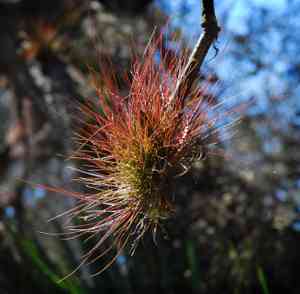
Southern needleleaf flourishes when reproduced via separation, an uncomplicated yet potent technique well-suited to its natural growth pattern. Gently detach offshoots from the primary specimen, making certain each new segment possesses its own complete root structure. It is advisable to perform this procedure during phases of vigorous growth to improve recuperation and successful integration into new surroundings. Following separation, ensure sufficient air movement and refrain from excessive watering to encourage sturdy progression.
Optimal Time for Southern Needleleaf Propagation
Propagation Method
Division
Propagation Period
Spring,Autumn
Tools for Southern Needleleaf Propagation
Sharp, clean scissors or pruning shears
These implements are vital for cleanly separating offsets from the main southern needleleaf plant. A precise cut minimizes tissue damage, reducing infection risk and promoting quicker recovery and root growth.
Tweezers or forceps
These are helpful for carefully handling smaller or delicate southern needleleaf offsets during division. They prevent direct contact with sensitive leaves, reducing mechanical damage that can impact post-propagation plant health.
Sterilizing solution (e.g., isopropyl alcohol or bleach solution)
This is essential for sanitizing cutting tools before and after use to prevent pathogen spread. Successful southern needleleaf propagation heavily relies on disease prevention, as infections can impede root development and growth in new plants.
Misting spray bottle
A fine misting bottle is useful for keeping divided southern needleleaf offsets hydrated during propagation. As southern needleleaf is sensitive to excess moisture, a misting bottle allows for controlled water application, crucial for avoiding root rot and maintaining ideal moisture levels.
Rooting hormone (optional)
While not always necessary for epiphytic plants like southern needleleaf, rooting hormone can encourage faster root development in some cases. It's especially beneficial if the propagation environment is suboptimal or if offsets lack well-developed roots.
How to Propagate Southern Needleleaf?
Propagation Type
Easy
Post-Propagation Care for Southern Needleleaf
How to Care for Your Newly Propagated Southern Needleleaf?
After propagation, continue providing bright, indirect light and high humidity, which are ideal for southern needleleaf. Avoid direct sunlight to prevent leaf scorching. Maintain regular misting and ensure good air circulation. As southern needleleaf matures, reduce misting frequency to prevent rot and watch for new offsets. This growth and pup production cycle can then be repeated.
Common Errors to Avoid When Propagating Southern Needleleaf
Overwatering
A frequent error in southern needleleaf propagation is excessive watering. Southern needleleaf is adapted to dry, airy conditions, and too much moisture can lead to root rot and fungal infections, severely hindering the plant's ability to establish and grow.
Using dense soil
Another mistake is employing dense or rich soil for southern needleleaf. Southern needleleaf requires a well-aerated medium like orchid bark or a similar substrate. Dense soil can retain too much moisture, preventing roots from breathing, leading to poor growth and potential root decay.
Insufficient light
Often, southern needleleaf does not receive adequate light, which is vital for its growth and survival. Insufficient light will stunt the plant's development and hinder the formation of new shoots or offsets.
Improper detachment
Incorrect detachment of offsets can harm both the parent plant and the offset, potentially killing the offset before it can establish independently. This usually results from rushing the separation process or using unsuitable tools.
Tips For Propagating Southern Needleleaf
Adequate lighting
Southern needleleaf thrives in bright, indirect light. Ensure the plant receives sufficient illumination, crucial for photosynthesis and overall health, thereby enhancing successful propagation.
Correct substrate
Utilize an airy and loose substrate, such as orchid bark or sphagnum moss, which supports air circulation around the roots. This mimics southern needleleaf's natural habitat and prevents issues like root rot.
Proper watering practices
Water southern needleleaf by misting the plant rather than watering the soil. Allow the plant to dry slightly between watering sessions, mimicking the natural wet-dry cycle it experiences in its native habitat.
Careful separation
When propagating southern needleleaf through offsets, carefully separate them using sterile, sharp scissors or knives to prevent infection and ensure a healthy start for the new plant. It's crucial that the offset has developed sufficient roots.



