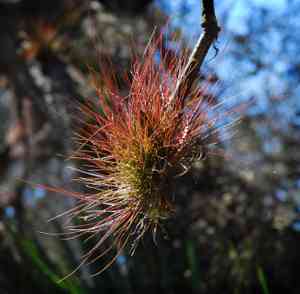
Southern needleleaf (Tillandsia setacea)
Also known as: N/A
Tillandsia setacea, commonly known as the southern needleleaf, can be found in various regions. Its distribution includes parts of the southeastern United States, such as Florida and Georgia. It also spans northwestern and southern Mexico, including areas like Jalisco, Sinaloa, Nayarit, Chiapas, Oaxaca, and Campeche. Additionally, this species is present in Guatemala, several islands in the Caribbean like the Cayman Islands, Cuba, Hispaniola, Jamaica, and Puerto Rico, and it extends down into the State of Pará in northeastern Brazil.
In This Article
Attributes of Southern needleleaf
Lifespan
Perennial
Plant Type
Herb
Plant Height
Up to 40 cm
Spread
N/A
Leaf Color
Green Blue
Flower Size
Small, approximately 1-2 cm
Flower Color
Violet or purple
Images of Southern needleleaf
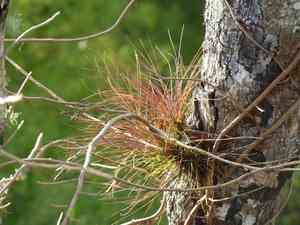
Quickly Identify Southern needleleaf
1
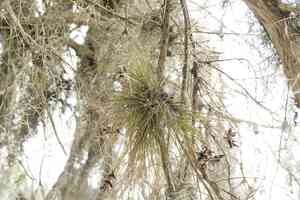
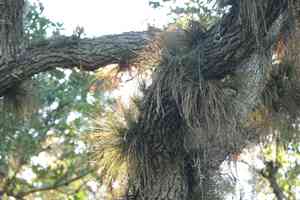
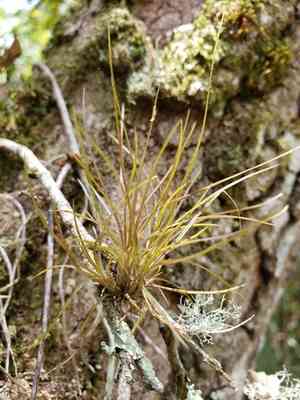
Tillandsia setacea can be identified by its long, thin, needle-like leaves which can grow up to 30 cm in length. The leaves are typically green but may have a reddish tint in brighter light. The plant produces small, tubular flowers that are usually violet or purple.
Scientific Classification of Southern needleleaf
Phylum
Vascular plants
Class
Monocotyledons
Order
Poales
Family
Bromeliad
Genus
Airplants
Species
Southern needleleaf
Planting and Growing of Southern needleleaf
Care Difficulty
Easy
Watering Schedule
Every 2 days
Sunlight Requirements
Partial sun
Sunshine Duration
4-8 hours
Ideal Temperature
70-85℉
Soil Type
Potting Mix, Peat Mix
Soil pH
6.5-7.5
Fertilizer Type
Balanced
Pruning Season
Spring, Summer
Pruning Area
Branches, Leaves
Pruning Frequency
2 times a year
Repotting Season
Spring
Pot Type
Plastic, Ceramic
 How to Water Southern needleleaf?
When watering Tillandsia setacea, use approximately 20 milliliters per session. Ensure that the entire surface of the plant receives moisture, and let any excess water drain away. The goal is to mimic the natural light rainfall they receive in the wild without saturating the plant.
What are the symptoms of an underwatered Southern needleleaf?
›
What should I do if my Southern needleleaf is not getting enough water?
›
What are the symptoms of an overwatered Southern needleleaf?
›
How to save an overwatered Southern needleleaf?
›
 What Are the Sunlight Requirements for Southern needleleaf?
Partial sunlight, ideally filtered, ensures the plant's vivid color and growth by mimicking its natural habitat, thus reducing stress and fostering a healthy lifecycle.
How much sun does Tillandsia setacea need?
›
What kind of environment is ideal for Tillandsia setacea?
›
What are the benefits of ideal lighting for Tillandsia setacea?
›
 What Is the Ideal Temperature Range for Southern needleleaf?
The ideal temperature range for Tillandsia setacea is between 70°F to 85°F. This range supports optimal growth and flowering, ensuring the plant thrives. Daytime temperatures in the mid-range favor its metabolic processes, while avoiding possible heat stress.
 What Soil is Best for Southern needleleaf?
Tillandsia setacea thrives in well-draining soil conditions, which help prevent root rot. These plants are naturally epiphytes, and ensuring proper drainage mimics their native environment, allowing the plant to absorb nutrients efficiently while avoiding excess moisture buildup. These air plants do not demand nutrient-rich soils. A low fertility substrate is ideal, as it prevents over-fertilization, which could harm the plant. This natural adaptation allows for easier maintenance and less frequent fertilization, promoting healthier growth. Aeration is crucial for Tillandsia setacea as it imitates the airy spaces encountered in their native habitats. Good air circulation around the roots reduces the risk of fungal diseases and ensures the plant breathes efficiently, supporting overall vitality.
 How to Fertilize Southern needleleaf?
For Tillandsia setacea, fertilization should be approached with care. Use a quarter-strength orchid or bromeliad fertilizer, approximately 1/4 teaspoon per gallon of water. This dilution prevents any potential nutrient burn, ensuring healthy plant growth while avoiding stress.
 How to Prune Southern needleleaf?
Start by gently inspecting the plant and identify any brown or dried leaves that need removal. Use sharp, clean scissors to cut these leaves at their base. This method maintains the plant's natural shape while ensuring nutrients are focused on healthy growth. Avoid cutting healthy green leaves to prevent stress.
More About Pruning Techniques→
 How to Propagate Southern needleleaf plant?
1
Collect seeds from the mature Tillandsia setacea. Ensure that the seeds are completely dry before storage. Use a fine mesh sifter to remove any debris and prepare the seeds for sowing.
2
Prepare a suitable growing medium, such as a mixture of sphagnum moss and orchid bark. Evenly spread the seeds over the surface, pressing them gently into the medium. Maintain a humid environment to encourage germination.
3
Identify mature 'pups' or offsets growing at the base of the mother plant. Use a sharp knife or scissors to gently detach these offsets, ensuring that each has adequate roots. Replant them in a well-draining medium.
 How to Repot Southern needleleaf plant?
1
Tillandsia setacea generally requires repotting when it outgrows its current environment. Look for signs like roots extending beyond the pot or a visibly crowded plant. Repotting helps refresh its growing medium, ensuring adequate air circulation and nutrients.
2
Select a pot that offers good airflow, like a mesh or wire pot, especially since Tillandsia thrives with proper air circulation. This prevents moisture buildup, reducing the risk of root rot and promoting healthy growth.
3
Opt for a well-draining medium, such as orchid bark or sphagnum moss, which provides the necessary air and drainage. This composition helps maintain the ideal balance of moisture without retaining excess water, crucial for air plants' health.



